

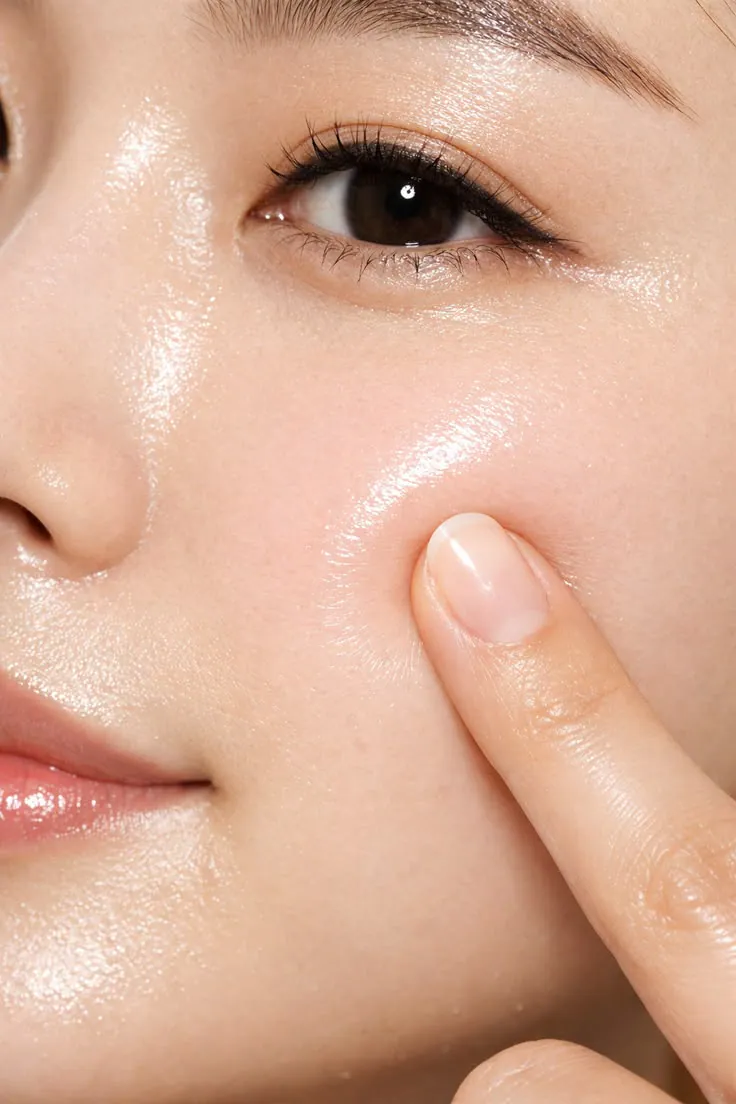

Autologous Exosome Therapy
Extracellular vesicles derived from your own blood or adipose tissue, delivering targeted regenerative signals at a cellular level, carrying your own biological information, so immunogenic risk is eliminated.








What it is
Your own signals, amplified.
Because the exosomes are derived exclusively from your own biological material, they integrate with your existing cellular signalling pathways without immunogenic interference, activating endogenous repair mechanisms to stimulate tissue regeneration, restore dermal integrity at a structural level, and reactivate follicular function through precise, patient-specific intercellular communication.
Exosomes stimulate fibroblast proliferation and new collagen and elastin synthesis, remodelling the extracellular matrix: dermal architecture rather than surface finish.
Dermal atrophy & photoageingExosomal signalling reactivates dormant follicular stem cells and prolongs the active growth phase, with measurable improvements in density, shaft diameter and follicular count.
Hair thinning & alopeciaExosomes modulate the inflammatory cascade, promote angiogenesis and accelerate cellular turnover, reducing recovery time after injury, surgery or procedural treatment.
Post-procedural recoveryNo. Plant-derived and allogeneic preparations lack your biological information and carry a higher theoretical immunogenic risk. Autologous is the gold standard in clinical regenerative medicine.
Autologous vs plant-basedBenefits
What exosome therapy does.
Stimulates fibroblast proliferation, de novo collagen and elastin synthesis, and extracellular matrix remodelling, improving dermal architecture, texture and structural integrity at a cellular level.
Reactivates dormant follicular stem cells and prolongs the anagen (active growth) phase, restoring measurable improvements in hair density, shaft diameter and follicular count.
Modulates the inflammatory cascade, promotes angiogenesis and accelerates cellular turnover, significantly reducing recovery time following injury, surgery or procedural treatment.
Exosomal cargo, including miRNA and regulatory signalling proteins, counteracts oxidative DNA damage, suppresses pro-inflammatory cytokine activity and restores cellular homeostasis, addressing the biological mechanisms of intrinsic ageing and cellular senescence.
“The advantage of autologous is not only safety. It is specificity: the signals carry your own biological identity, so the skin responds to instructions it already recognises.”
Why here
Isolated, preserved, delivered.
Autologous: no immunogenic risk
Because exosomes are isolated exclusively from your own biological material, the risk of immune rejection, allergic response or adverse systemic reaction is effectively eliminated, enabling a precisely personalised protocol aligned with your cellular profile.
Advanced isolation for biological activity
Exosomes are isolated using controlled centrifugation and filtration protocols that preserve vesicle integrity and maintain the concentration of bioactive growth factors, miRNA and signalling proteins required for meaningful therapeutic outcomes.
Direct intradermal microinjection
Unlike topically applied or plant-derived preparations, autologous exosomes are administered by microinjection directly into the target tissue, ensuring precise localisation, optimal bioavailability and validated outcomes across dermal regeneration, follicular restoration and tissue repair.
PRP and stem cell therapy
Against PRP, autologous exosomes carry a significantly more concentrated payload of bioactive molecules acting with greater cellular precision. Unlike stem cell therapy, no live cells are introduced, reducing procedural complexity and regulatory risk.
What it treats
Clinical indications.
- Androgenetic alopecia and diffuse hair thinning
- Post-inflammatory or post-procedural skin repair
- Photoageing, dermal atrophy and loss of structural integrity
- Acne scarring and textural irregularities
- Skin conditions with an inflammatory or barrier-compromised component
- As adjunct therapy after laser resurfacing, microneedling or surgery
- Exosomes are derived from your own blood or fat tissue on the day
- Risk of allergic reaction or immune response is minimal
- Results develop progressively rather than immediately
- A maintenance protocol can be recommended to extend results
Your consultant
Delivered by Dr Jinah Yoo.

Dr Jinah Yoo
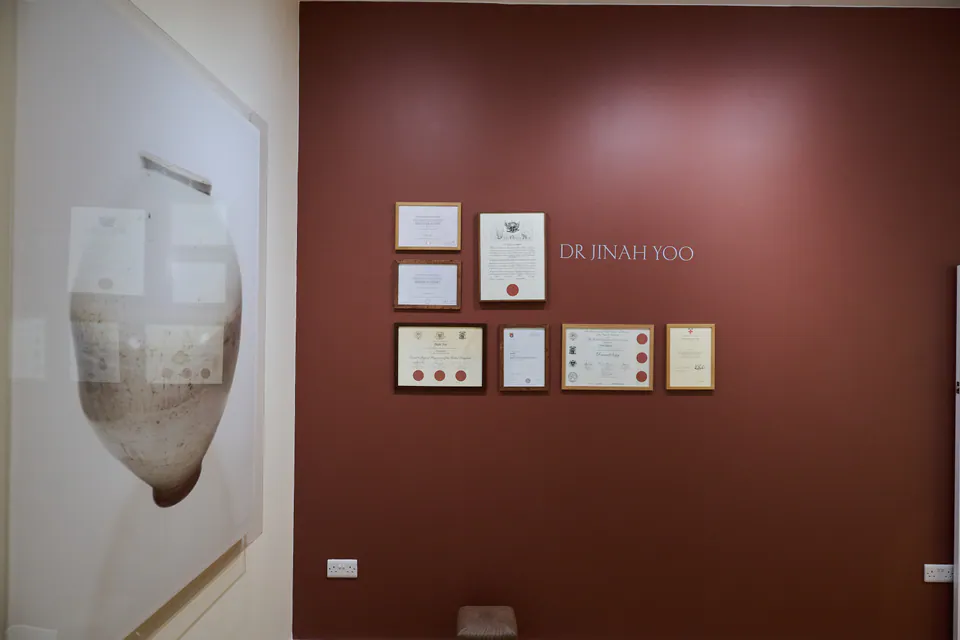
MBChB FRCP · Consultant Dermatologist · FounderDr Yoo is a Korean, UK-trained consultant dermatologist and the founder and medical director of Dr Jinah Yoo Dermatology, with expertise spanning dermatology, immunology and aesthetic medicine: the combination this therapy depends on.
The Regenerative Centre at Albemarle Street was built for treatments of this kind: patient-derived, precisely processed and delivered under consultant supervision.
- GMC-registered consultant dermatologist
- Fellow of the Royal College of Physicians (FRCP)
- Expertise across dermatology, immunology and aesthetic medicine
- Delivered at the Dr Jinah Yoo Regenerative Centre
Your journey, step by step
What actually happens.
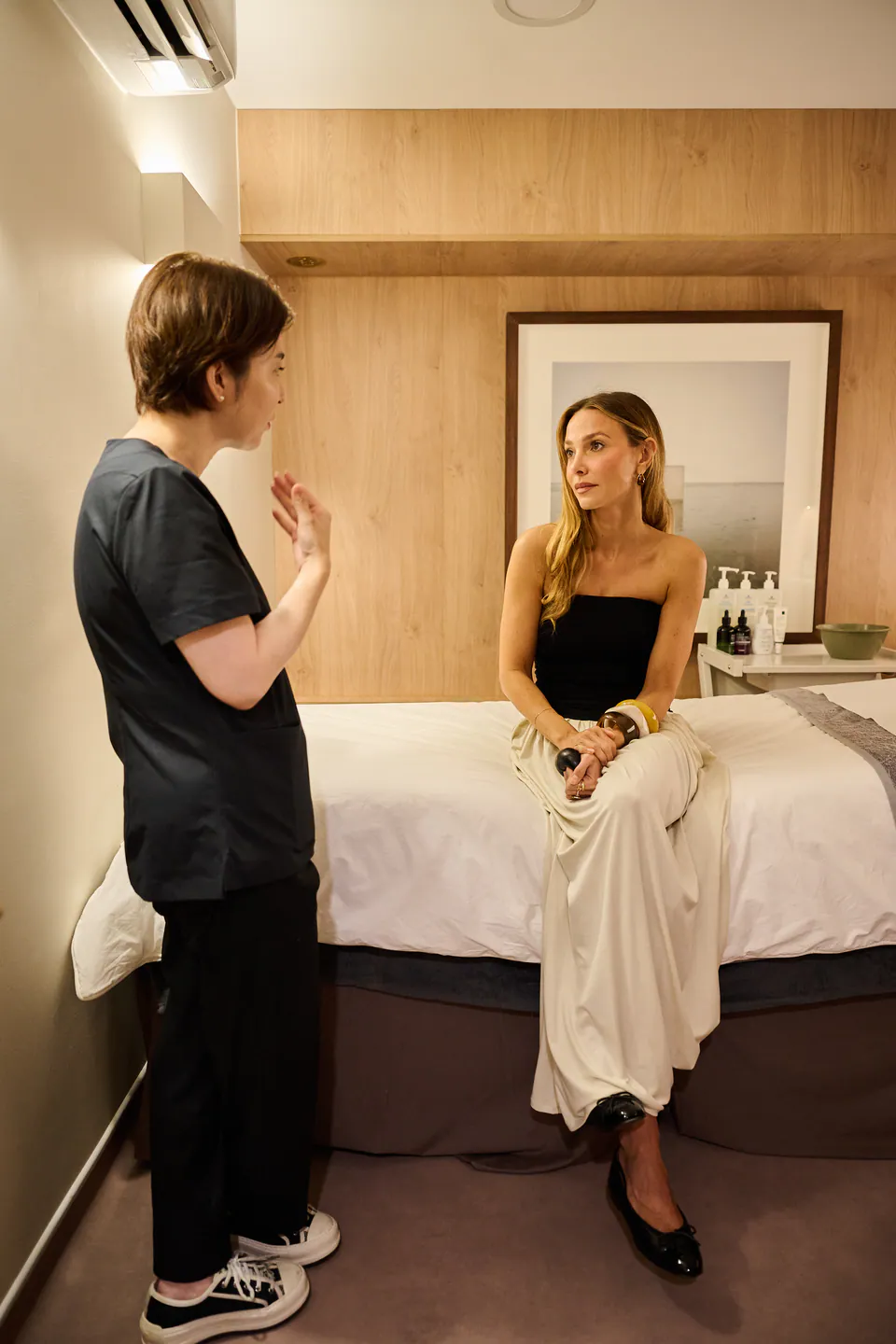
Consultation & indication
Your concern is assessed against the clinical indications (dermal, follicular or post-procedural) and the protocol, sessions and cost agreed before anything begins.
You commit to nothing at this stageCollection & isolation
Biological material is taken from your own blood or adipose tissue, then exosomes are isolated using controlled centrifugation and filtration that preserve vesicle integrity and bioactive concentration.
Your own material, processed in clinicIntradermal microinjection
Microinjections into the dermis or scalp, well tolerated by most patients. Topical anaesthetic cream is applied beforehand; the injection process is brief, with most patients describing only mild pressure or superficial sensitivity.
Discomfort afterwards is minimal and settles within hoursHow results develop
Initial improvements in skin texture and tone are typically observed within four to six weeks. Structural dermal improvements and follicular responses continue to develop over three to six months, with outcomes generally sustained for twelve to eighteen months.
A maintenance protocol can extend resultsThe clinic
45 Albemarle Street, Mayfair.


Questions
Asked before booking.
Autologous exosomes are derived from your own blood or adipose tissue. Because they carry your unique biological identity, they integrate naturally with your cellular signalling systems and eliminate any risk of immune rejection. Plant-based exosomes (from sources such as ginger or grapes) are allogeneic preparations that lack patient-specific information and carry a higher theoretical risk of immunogenic response. Autologous preparations are considered the gold standard for clinical regenerative medicine.
The procedure involves microinjections into the dermis or scalp, well tolerated by most patients. Topical anaesthetic cream is applied beforehand. The injection process is brief, and most patients describe only mild pressure or superficial sensitivity. Discomfort afterwards is typically minimal and resolves within a few hours.
Results develop progressively as the exosomes activate endogenous repair pathways and stimulate collagen synthesis. Initial improvements in texture and tone are typically seen within four to six weeks, with structural and follicular responses developing over three to six months. Outcomes are generally sustained for twelve to eighteen months, and a maintenance protocol can extend them.
Compared with PRP, autologous exosomes contain a significantly more concentrated payload of bioactive molecules (growth factors, miRNA and signalling proteins) acting with greater precision at the cellular level. Unlike stem cell therapies, exosomes do not introduce live cells, reducing procedural complexity and regulatory risk. And unlike allogeneic or plant-derived exosomes, autologous preparations carry no immunogenic risk.
Androgenetic alopecia and diffuse hair thinning; post-inflammatory or post-procedural skin repair; photoageing, dermal atrophy and loss of structural integrity; acne scarring and textural irregularities; skin conditions with an inflammatory or barrier-compromised component; and as an adjunct after laser resurfacing, microneedling or surgery to accelerate healing.
Since the exosomes are derived from your own cells, the risk of allergic reaction or immune response is minimal, making this a safer alternative to treatments using foreign substances.
The exosomes contain growth factors that stimulate dormant hair follicles, promoting regrowth and improving hair density, a promising option for those experiencing hair loss.
Exosomes function as intercellular communication vehicles, transferring bioactive cargo (growth factors, cytokines, lipids and non-coding RNA) between cells. In skin regeneration they stimulate fibroblast proliferation, collagen and elastin synthesis, keratinocyte migration and angiogenesis, while modulating the inflammatory response to promote a reparative cellular environment.
Next step
Regeneration from your own biology.
Book a consultation and the indication is established first, then the protocol, sessions and cost agreed in writing.