

Regenerative Plasma Facial
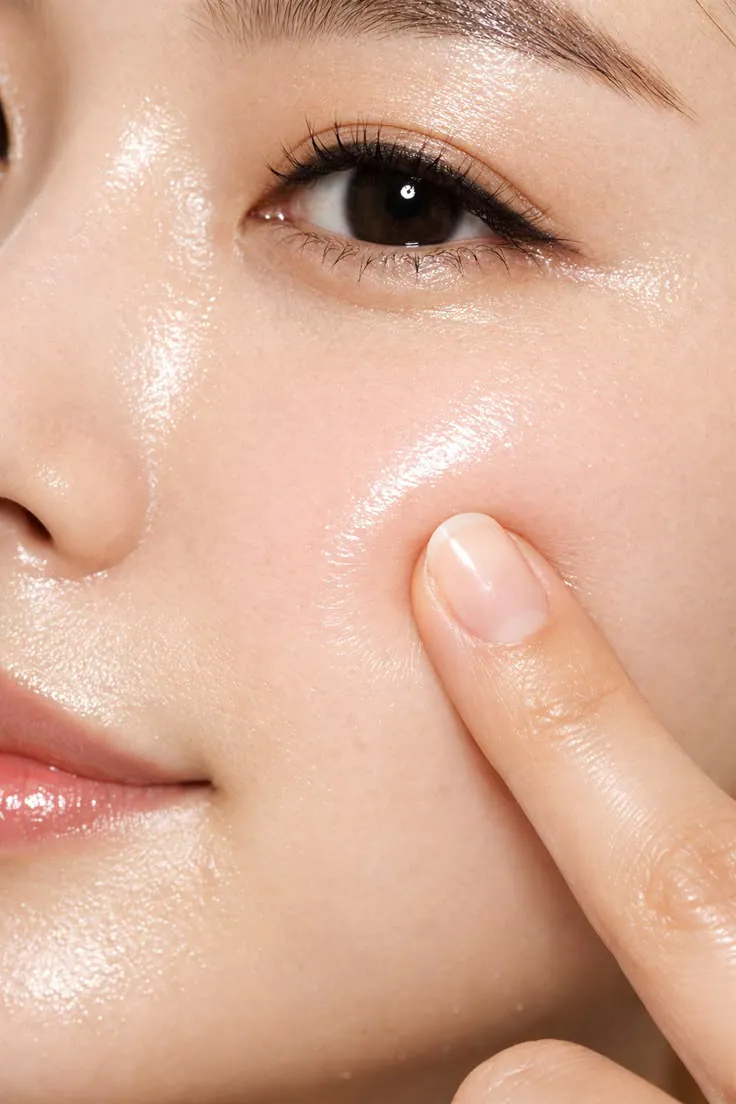
An autologous treatment using your own platelet-rich plasma to deliver growth factors directly into the dermis, initiating a controlled biological repair response that restores skin integrity and stimulates collagen neosynthesis.








What it is
Your own blood, concentrated.
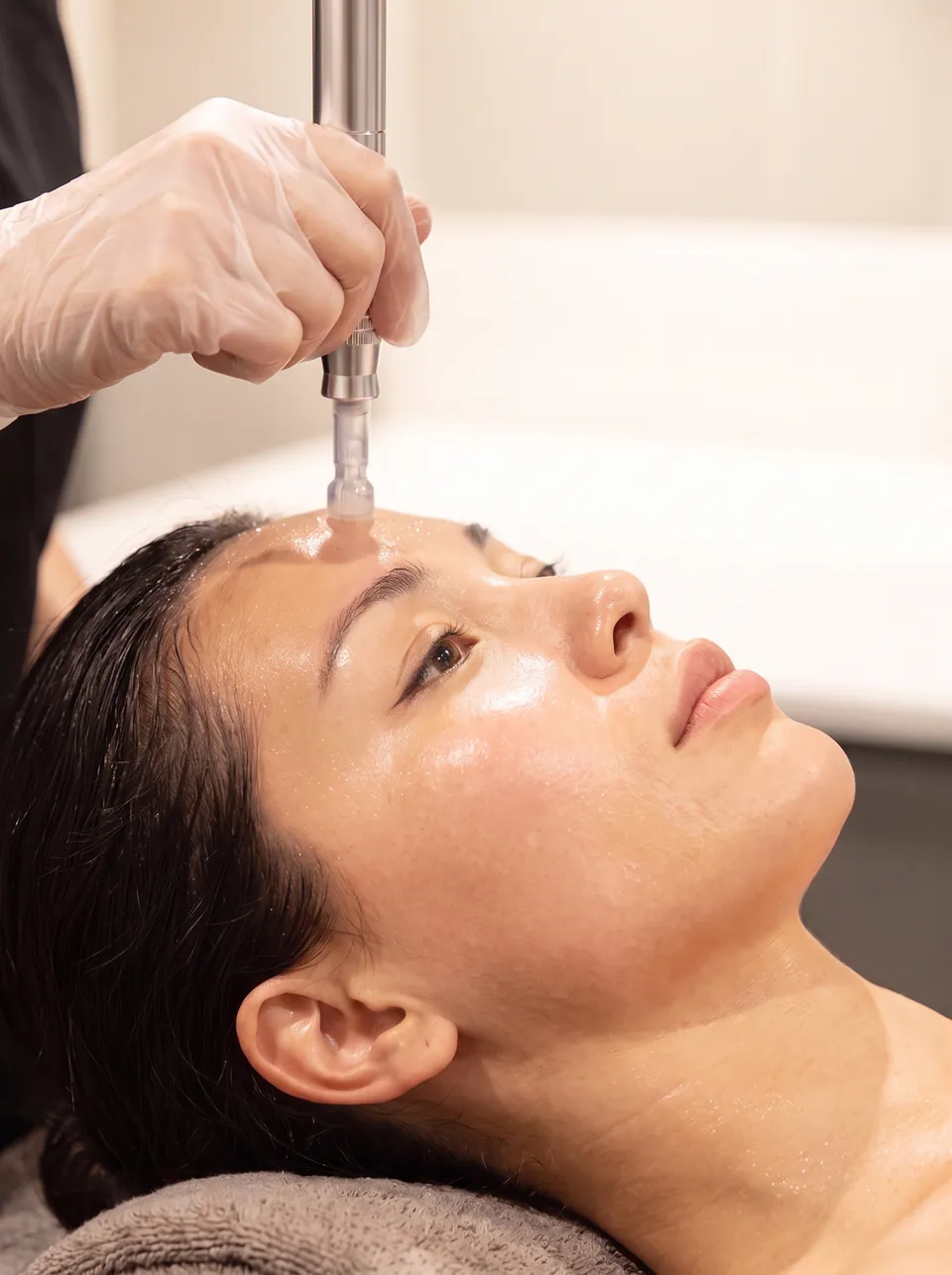
A small volume of your peripheral blood is drawn and put through controlled centrifugation to isolate a concentrated platelet-rich plasma fraction. That preparation carries a high concentration of growth factors (PDGF, TGF-β, VEGF and EGF) which are reintroduced into the dermis by microinjection to activate the skin's own repair mechanisms.
Improved microcirculation and cellular oxygenation lift skin tone and luminosity, the change most patients notice first, within the first one to two weeks.
Dullness & uneven toneDe novo collagen and elastin synthesis restores dermal structural integrity, softening fine lines and photodamage through genuine remodelling rather than surface treatment.
Fine lines & photodamageFibroblast proliferation improves skin architecture, surface texture and barrier function, with measurable gains in dermal density over the following weeks.
Texture & barrier functionDermal remodelling reduces the appearance of atrophic scarring, and plasma is often combined with resurfacing or microneedling protocols for deeper scar work.
Atrophic scarringBenefits
What the plasma facial does.
The treatment uses your body's own healing mechanisms. Nothing foreign is introduced, which is what makes the safety profile of an autologous preparation so favourable.
Injection depth, placement and the wider protocol are set against your clinical presentation, so the treatment addresses your concerns rather than a template.
Most patients experience only mild redness or swelling. Transient erythema or oedema at the injection sites typically resolves within 24–48 hours.
Improvement develops gradually as the skin heals and regenerates from within: dermal density, collagen architecture and structural integrity continue to improve over weeks, not hours.
“Plasma is not a facial in the conventional sense. It is a controlled repair response, and the timeline of the result follows biology rather than the appointment.”
Clinically indicated to
What it is designed to do.
Activate endogenous tissue repair
Stimulates fibroblast proliferation and activates the skin's intrinsic repair pathways, initiating a structured regenerative response at a cellular level.
Promote collagen and elastin synthesis
De novo collagen and elastin production restores dermal structural integrity, the component lost to intrinsic ageing and cumulative sun exposure.
Improve architecture, texture and barrier
Improves skin architecture, surface texture and barrier function, and reduces the appearance of atrophic scarring, fine lines and photodamage through dermal remodelling.
Enhance microcirculation
Improved microcirculation and cellular oxygenation lift skin tone and luminosity, which is usually the earliest visible change.
Is it right for you
Who it suits.
This treatment is well suited to anyone looking to address signs of ageing, improve skin texture and restore a more youthful appearance without invasive surgery.
- Have fine lines and wrinkles
- Have uneven skin tone or texture
- Want a more radiant, glowing complexion
- Want to improve skin elasticity and firmness
- Are maintaining rather than correcting
- The preparation is made from your own blood on the day
- Minimally invasive, with no significant downtime
- Results develop progressively rather than immediately
- A course is often advised, then maintenance
Your consultant
Overseen by Dr Jinah Yoo.

Dr Jinah Yoo
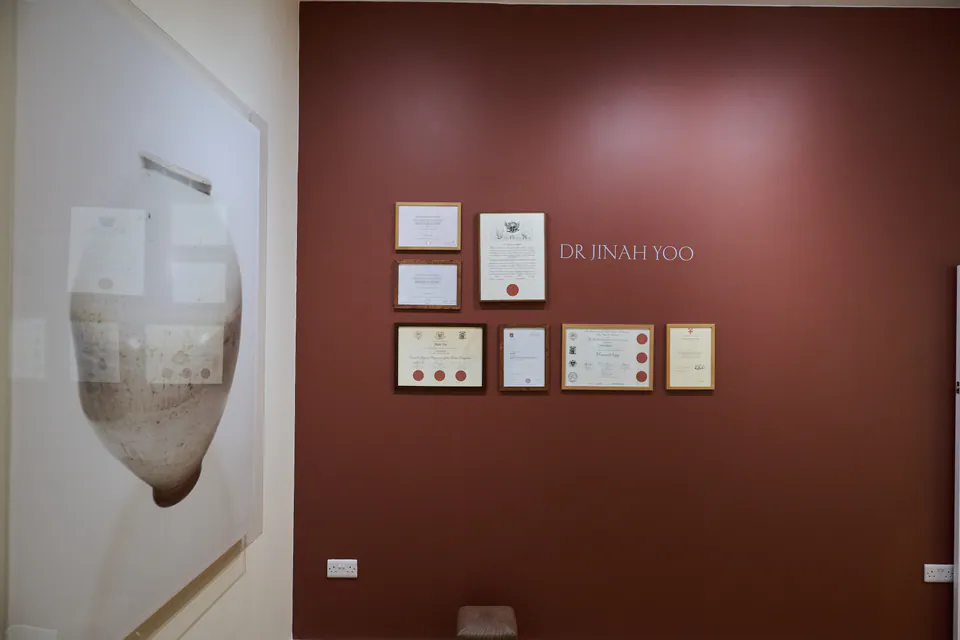
MBChB FRCP · Consultant Dermatologist · FounderAll plasma-based regenerative treatments at the Regenerative Centre are clinically overseen by Dr Yoo, a GMC-registered consultant dermatologist with specialist expertise in regenerative medicine, hyperpigmentary disorders and advanced procedural dermatology.
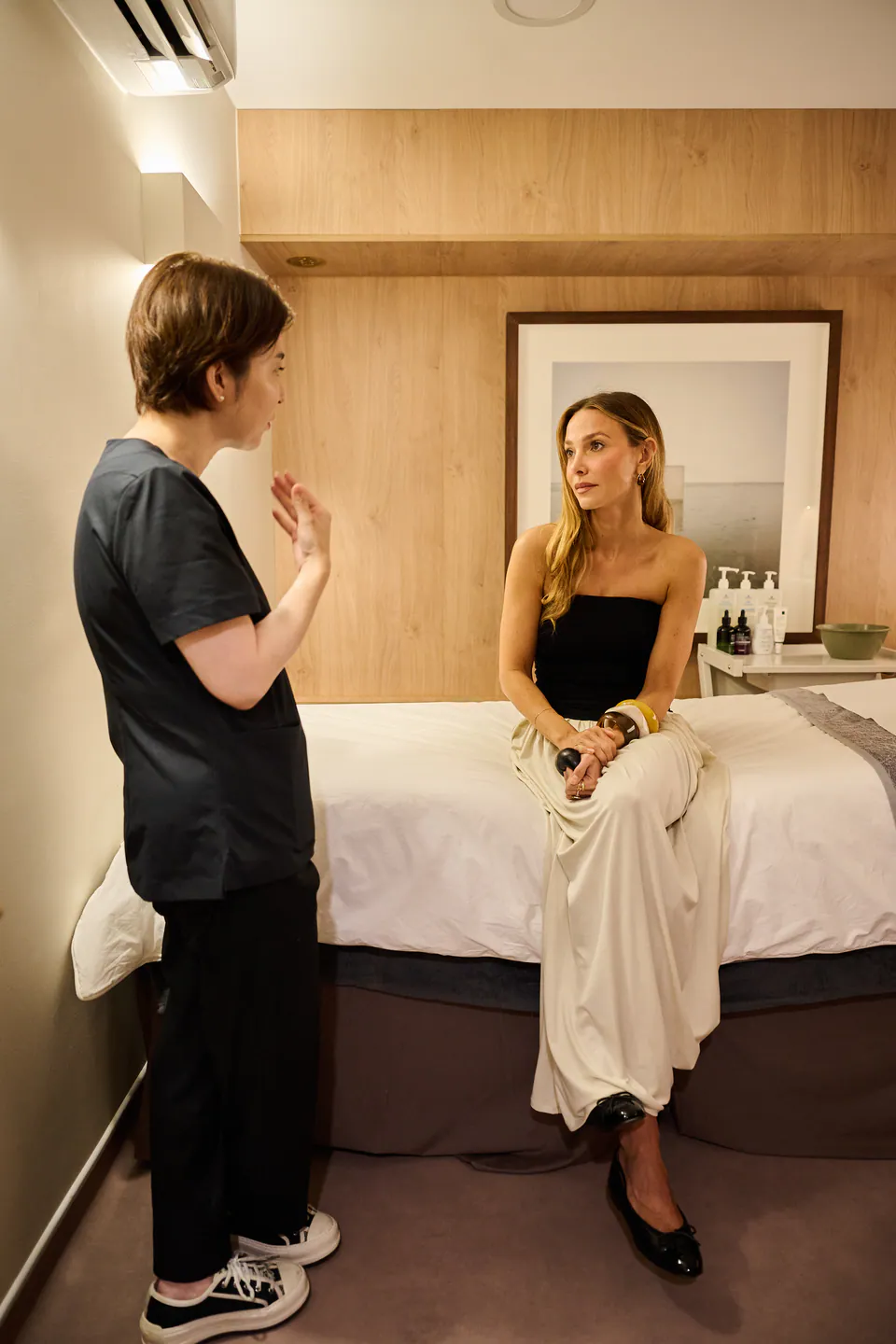
Protocols are designed individually after thorough clinical assessment, so each patient receives a medically justified, evidence-based intervention aligned with their presentation and objectives.
- GMC-registered consultant dermatologist
- Fellow of the Royal College of Physicians (FRCP)
- Specialist expertise in regenerative medicine
- Delivered at the Dr Jinah Yoo Regenerative Centre
Your journey, step by step
What actually happens.
Blood collection
A small sample of your own blood is drawn in a sterile clinical environment: the same procedure as a routine blood test, and over in a few minutes.
Your own material, nothing addedPlasma concentration
The sample is processed by controlled centrifugation to concentrate the platelets, growth factors and healing components that drive skin rejuvenation.
Prepared in clinic while you waitInjection therapy
The concentrated plasma is reintroduced into the skin by targeted microinjection, encouraging collagen production, improving texture and triggering the body's natural healing response.
Minimally invasive, no significant downtimeHow results develop
Transient localised erythema or mild oedema may occur but usually resolves within 24–48 hours. Early improvements in luminosity and surface texture appear within the first one to two weeks as the repair response is initiated. Full clinical outcomes (dermal density, collagen architecture and structural integrity) develop progressively over four to twelve weeks.
Most patients resume normal activity within 24–48 hoursThe clinic
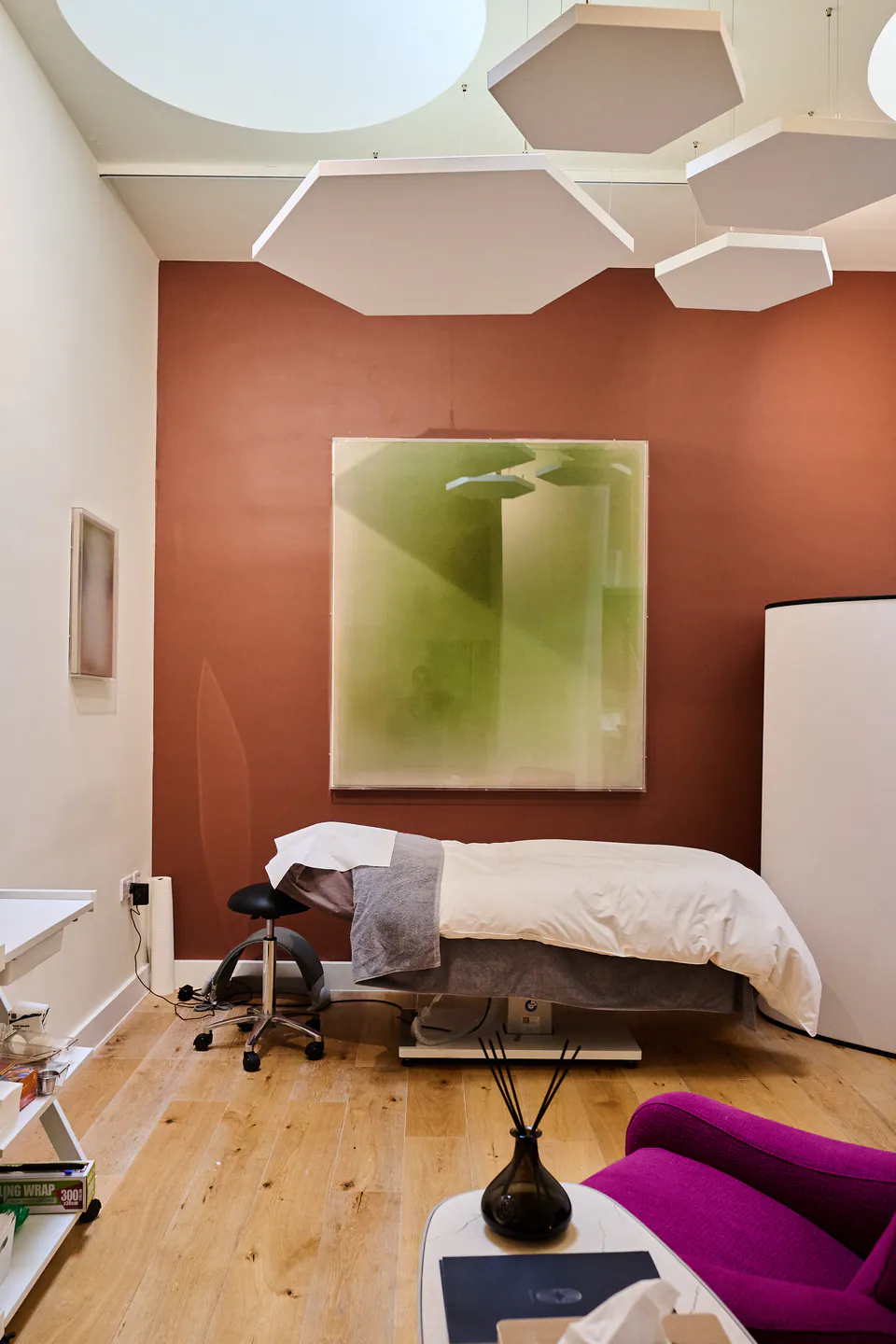
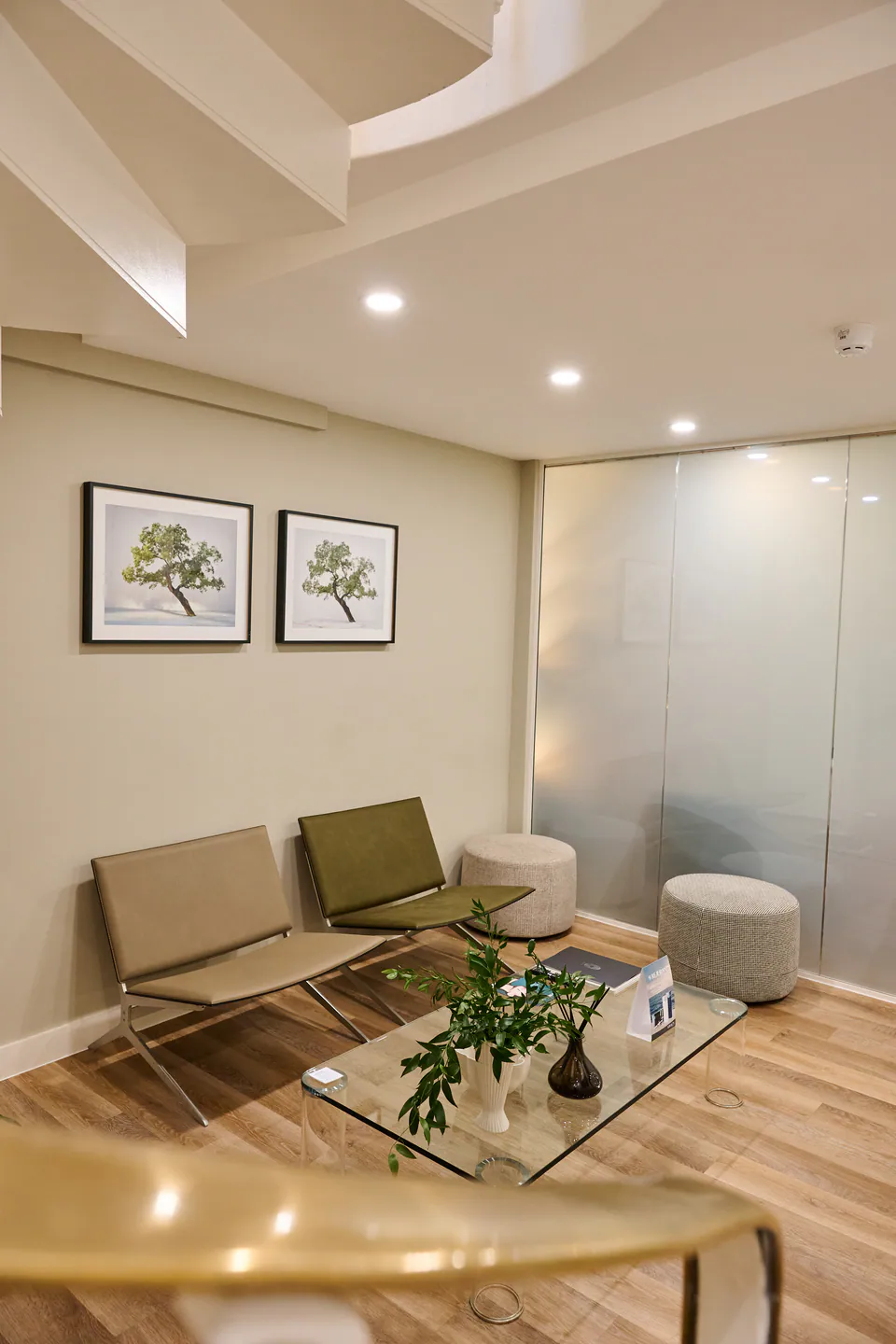
45 Albemarle Street, Mayfair.
Questions
Asked before booking.
Recovery is minimal. The majority of patients resume normal daily activities within 24–48 hours. Transient injection-site reactions (localised erythema, mild oedema or superficial bruising) may occur but are self-resolving and typically subside within 24–72 hours without any intervention.
An initial improvement in luminosity and surface texture may be seen within the first one to two weeks as the regenerative response is initiated. The full clinical outcome (measurable gains in dermal density, collagen architecture and structural skin integrity) develops progressively over three to six months, reflecting the biological timeline of fibroblast activation, collagen neosynthesis and sustained extracellular matrix remodelling.
It improves facial skin integrity through targeted delivery of autologous growth factors that stimulate fibroblast proliferation, collagen neosynthesis and extracellular matrix remodelling within the dermis. It also enhances transepidermal water retention by restoring the structural components of the dermal-epidermal junction, and supports repair of photodamaged and environmentally compromised keratinocytes.
Yes. Platelet-rich plasma is frequently combined with other regenerative work as part of a multimodal protocol. The concentrated growth factor payload (PDGF, TGF-β, VEGF and EGF) acts synergistically with other regenerative preparations to amplify fibroblast recruitment, accelerate extracellular matrix remodelling and potentiate the overall response. This is clinically indicated where enhanced dermal repair, accelerated post-procedural recovery or more pronounced improvements in skin structural integrity are required.
A conventional facial works on the surface. The plasma facial works in the dermis: growth factors from your own blood are delivered by injection to stimulate collagen, improve elasticity and provide lasting hydration, producing structural change rather than a temporary finish.
Because the preparation is autologous (made from your own blood, with nothing foreign introduced), the risk of allergic reaction or immune response is minimal.
Next step
Repair, from your own plasma.
Book a consultation and your skin is assessed first, then the protocol, number of sessions and cost agreed in writing.