
Skin Boosters
Injectable treatments that deliver targeted nutrients, hydration and active substances directly into the skin, for rosacea, melasma, sensitive skin, acne scarring, enlarged pores, excess oil production and pigmentation.
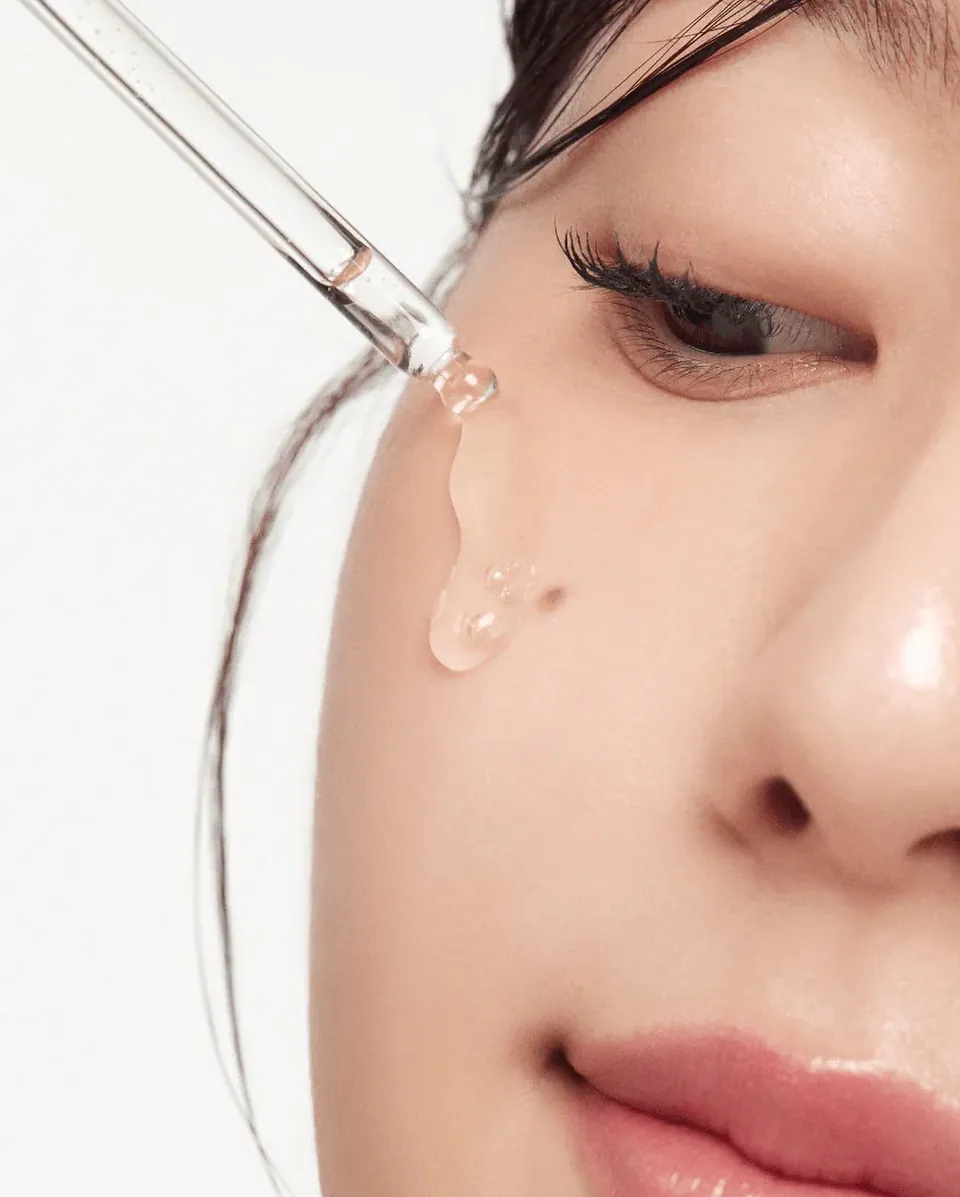








Sound familiar?
Which of these are you seeing?
Reactive, sensitised skin often cannot tolerate stronger treatments. Polynucleotide boosters such as Rejuran are used to calm inflammation and support the skin's own healing, making it more resilient to triggers over time.
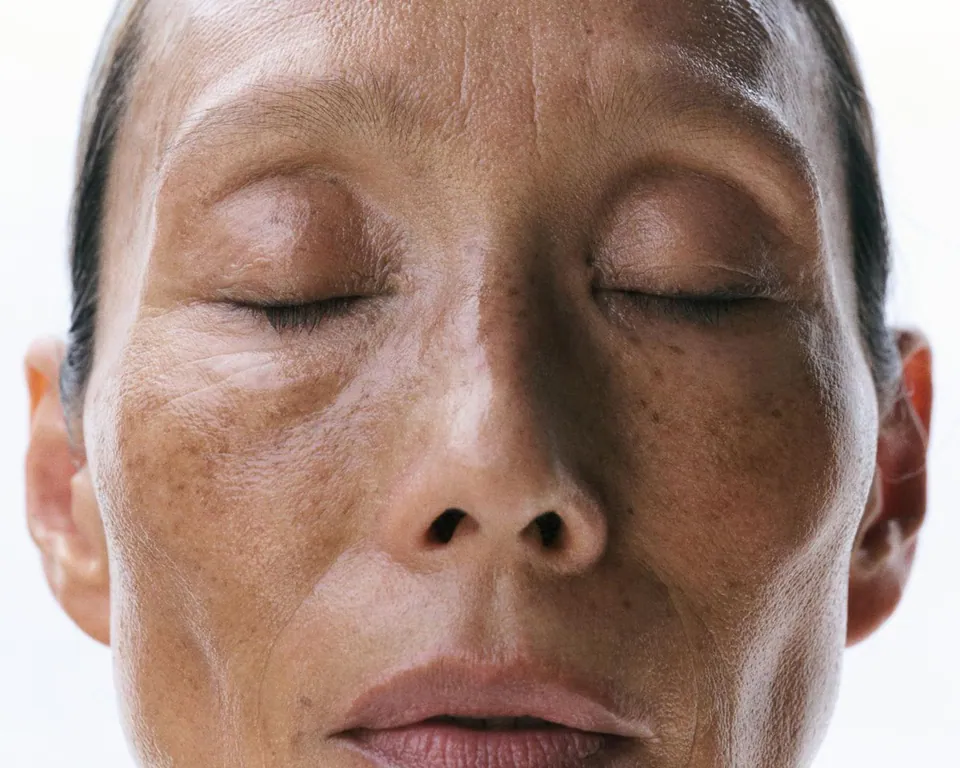
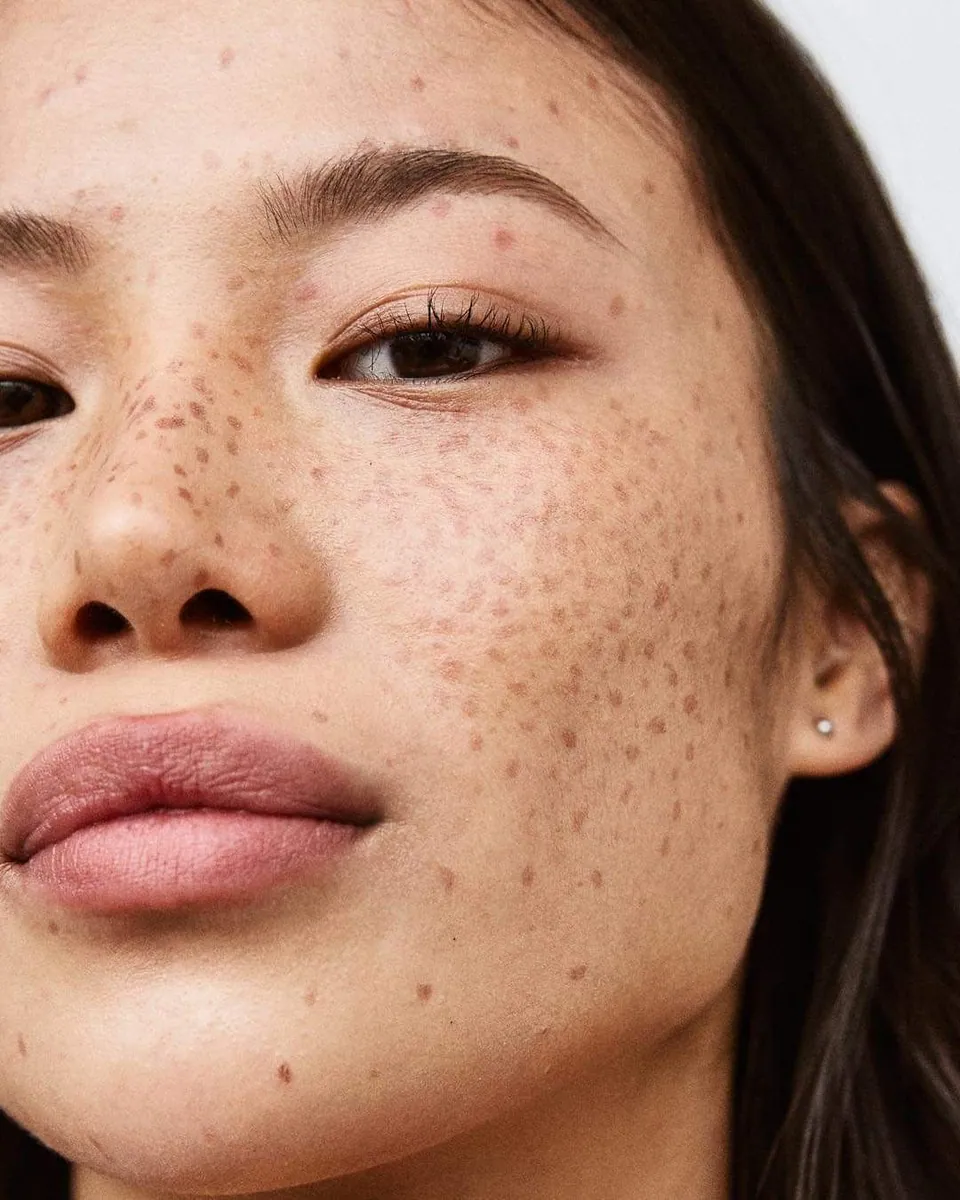
Rosacea, melasma & sensitivityPost-acne texture needs repair, not clearing. Juvelook stimulates the skin's natural repair mechanisms at a dermal level, gradually smoothing scar depressions and refining pore appearance over a course.
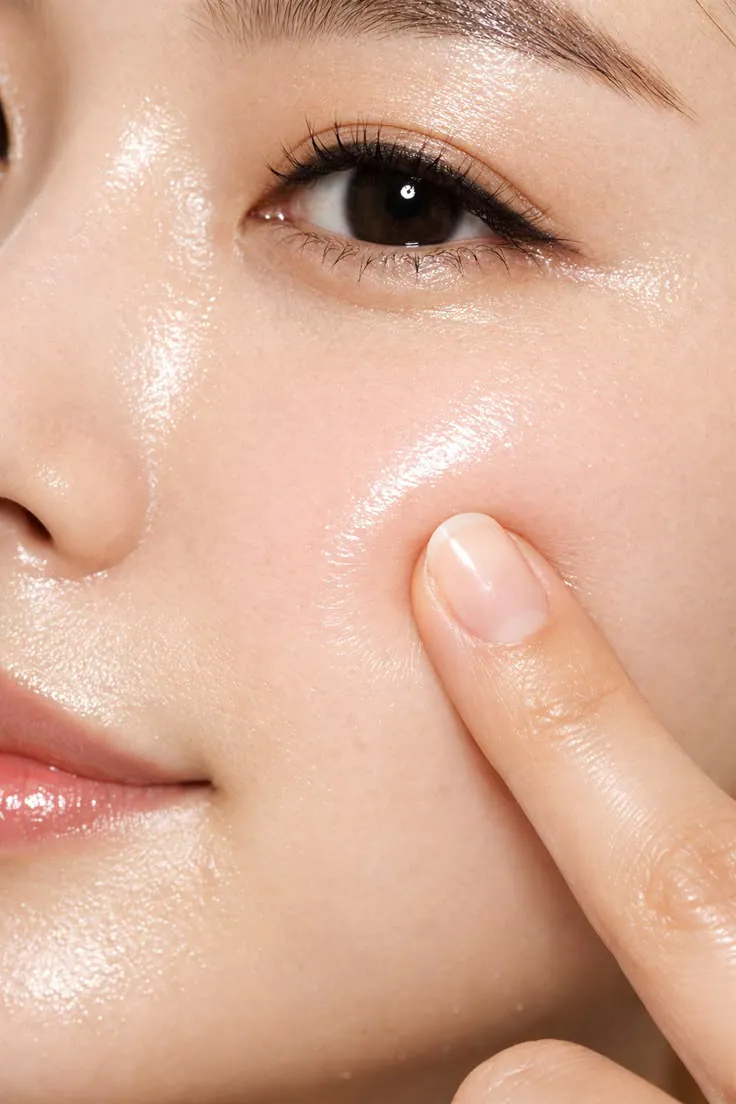
Acne scarring & enlarged poresExcess sebum makes pores more visible in oily, acne-prone skin. Microdose mesotherapy places highly diluted microinjections into the superficial skin to reduce oil production and pore visibility.
Oil control & rosaceaPost-inflammatory hyperpigmentation and persistent uneven tone do not always respond fully to topical treatments. NCTF works within the skin to help correct uneven pigmentation over a course of treatments.
PigmentationA common confusion
Boosters are not fillers.
Deliver nutrients, hydration and targeted active ingredients into the dermis to address specific dermatological concerns: inflammation, redness, pigmentation, scarring and oil production.
Placed as microinjections within the skin itself, so nothing is contoured or added in volume. Boosters work on the condition of the skin, not the shape of the face.
Restore volume and contour specific areas of the face: a structural treatment rather than a skin-condition one.
Placed in specific areas to add volume. A different treatment for a different problem.
Skin boosters can be combined with each other for a tailored approach, where your skin has more than one concern.
Only after diagnosis. Which boosters, how many sessions and in what order are agreed with you at consultation, before anything begins.
Types of skin boosters
Four boosters, matched to your concern.
At Dr Jinah Yoo Dermatology we use four skin boosters, each chosen for specific dermatological concerns. Below is what each one does, and who it suits.
Rejuran
Contains polynucleotides (PN) derived from salmon DNA, which have been shown in clinical studies to reduce inflammation, calm sensitised skin and support the skin's own healing processes. Particularly suited to rosacea (persistent redness, flushing and vascular sensitivity), melasma, and sensitive or reactive skin that struggles to tolerate stronger treatments.
Juvelook
Combines hyaluronic acid with polynucleotides (PN), which support cellular repair and tissue regeneration from within. Well suited to acne scarring, enlarged or congested pores and uneven texture from previous breakouts, gradually smoothing scar depressions and refining pore appearance over a course of sessions.
Microdose mesotherapy
Microinjections of a highly diluted medicine into the superficial layers of the skin, rather than the muscle. Used to reduce excessive sebum production in oily, acne-prone skin and the visibility of pores, and to calm the vascular flushing and diffuse redness of rosacea, reducing the frequency and intensity of flare-ups.
NCTF
New Cellular Treatment Factor: a blend of vitamins, minerals, amino acids, coenzymes and nucleic acids that supports cellular function and improves the skin's internal environment, helping to correct uneven pigmentation and blotchy skin tone over a course of treatments. Particularly suited to post-inflammatory hyperpigmentation and persistent uneven complexion that topicals don't fully resolve.
Decided at your consultation
Nothing is chosen before your skin is examined. The booster, and the number of sessions, follow from the diagnosis, never the other way round.
Your consultant
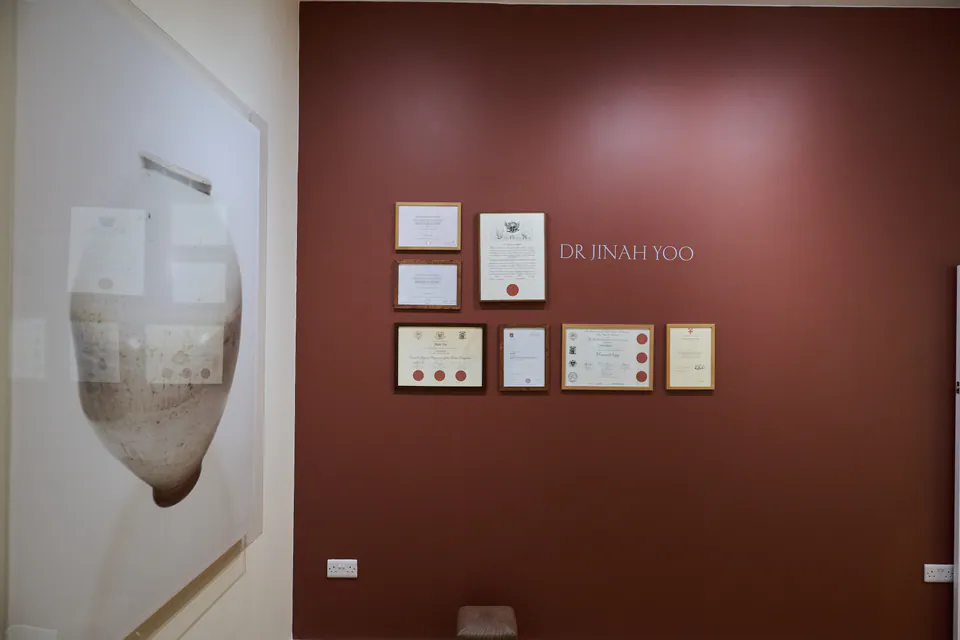
Led by Dr Jinah Yoo.

Dr Jinah Yoo
MBChB FRCP · Consultant Dermatologist · FounderDr Jinah Yoo is a Korean UK-trained consultant dermatologist who is the founder and medical director of Dr Jinah Yoo Dermatology. Dr Yoo has completed intensive dermatology training and developed special interest in cosmetic dermatology, hyperpigmentary disorders and skin lymphoma.
She attended numerous observerships at the World's leading pigment/cosmetic dermatology clinics in USA, Singapore and South Korea and established the first NHS-based hyperpigmentation service at Queen Elizabeth Hospital in 2018.
- GMC-registered consultant dermatologist
- Fellow of the Royal College of Physicians (FRCP)
- Distinction in MSc, University of Manchester
- MSc project work on facial hyperpigmentation
Your journey, visit by visit
What actually happens.
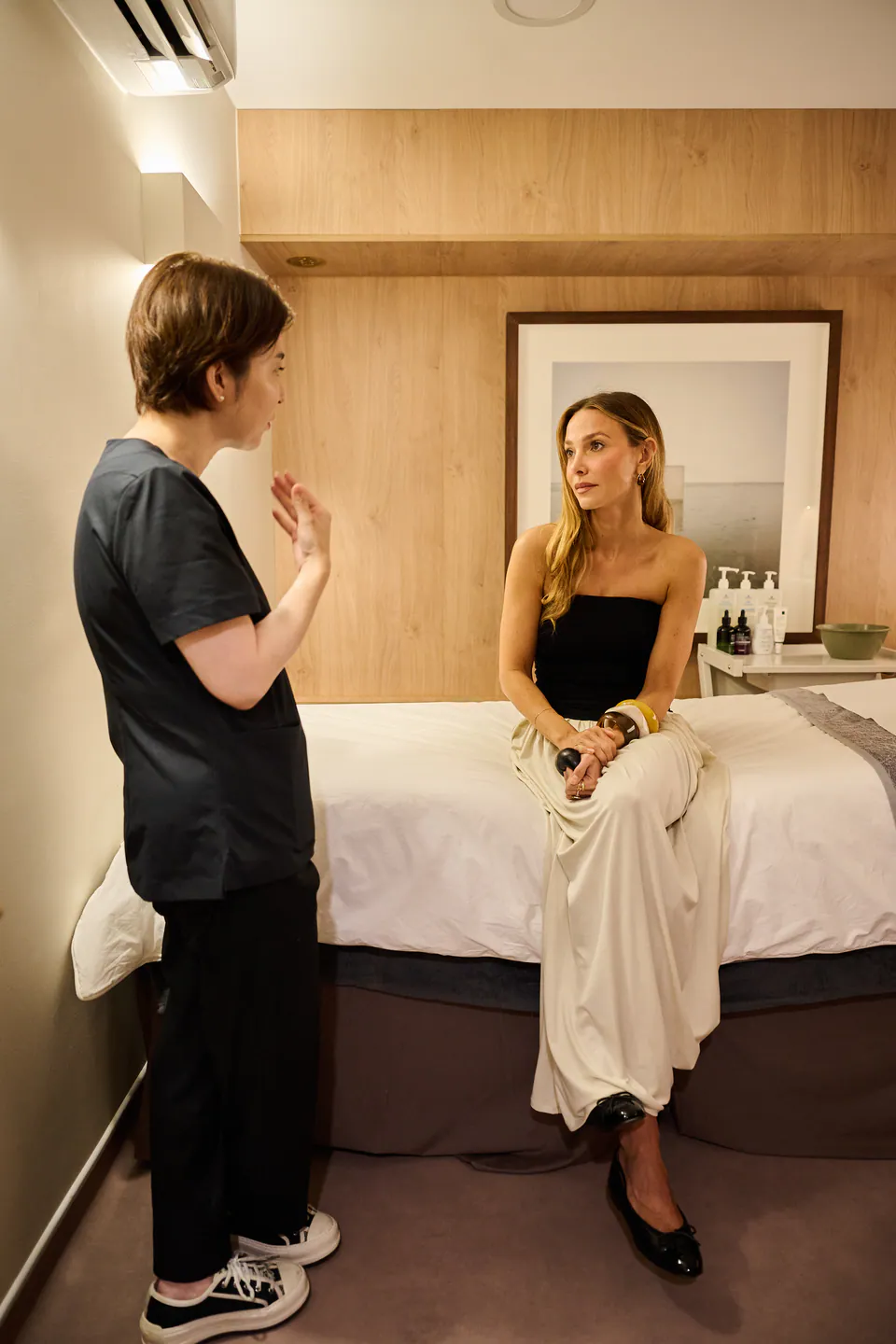
Consultation & skin assessment
Your skin is examined and the concern identified: rosacea, melasma, sensitivity, acne scarring, enlarged pores, excess oil or pigmentation. From that diagnosis, the booster or combination your skin needs is selected and your treatment plan agreed.
You commit to nothing at this stageThe injections
A topical numbing cream is often applied first to minimise discomfort, then a series of microinjections is placed across the treatment area.
The remaining sessions
Boosters such as Juvelook and NCTF work over a course of sessions, with the effect building gradually. The number of sessions and the interval between them are agreed at your consultation.
Maintaining the result
Results are not permanent. They generally last six to twelve months depending on the booster used, and regular treatments help to maintain them.
Honest expectations
What to expect, and what not to.
Minimally invasive microinjections. There may be slight discomfort, but most people find the procedure tolerable, and a topical numbing cream is often applied to minimise it.
Possible side effects at the injection sites, and how to care for your skin afterwards, are explained at your consultation before any treatment.
Change builds gradually over the course. Results generally last six to twelve months, depending on the booster used.
Volume, contour or a permanent result. Boosters work on the condition of the skin; they do not fill or reshape, and maintenance is usually required. If your concern needs a different approach, you will be told so at consultation.
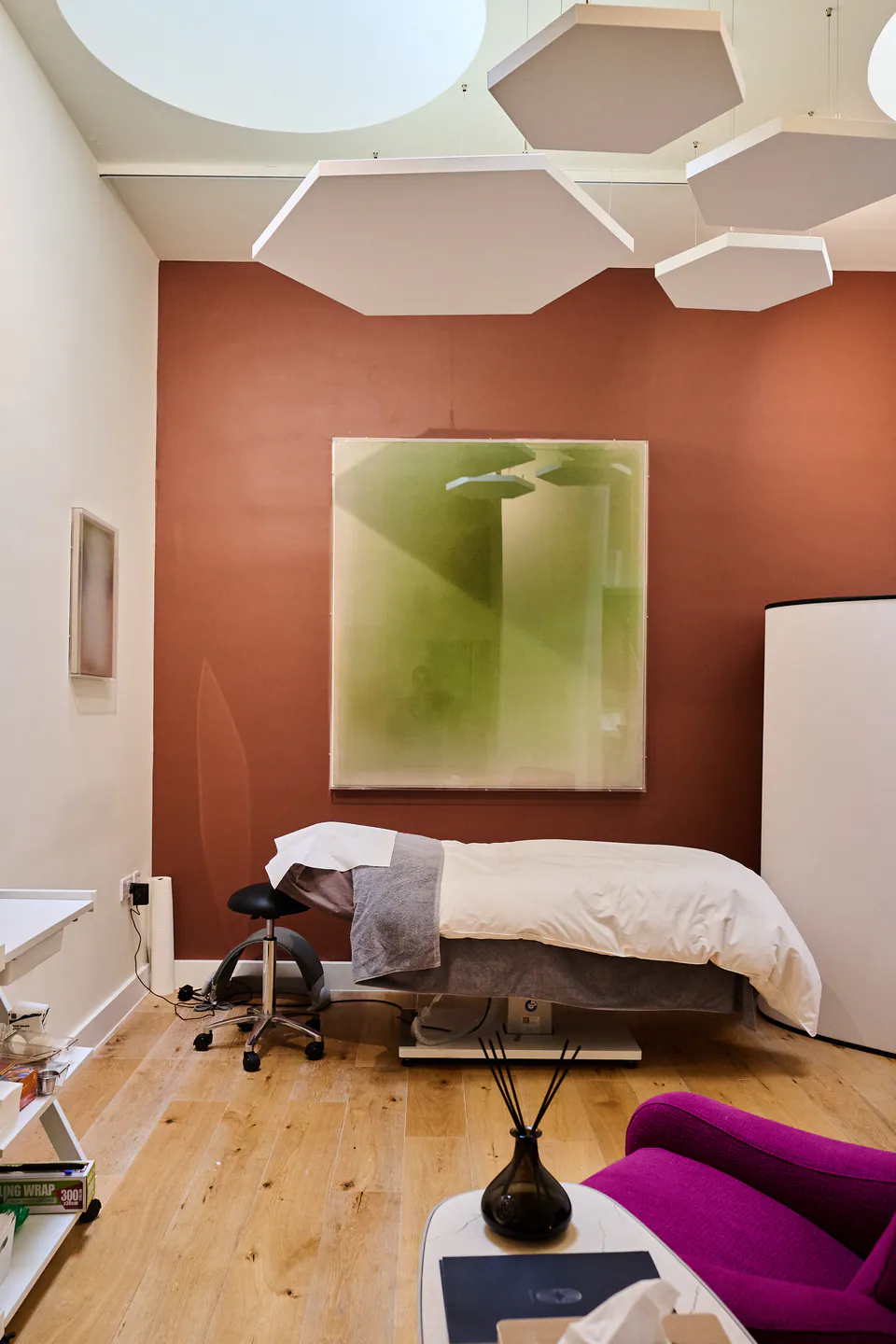
The clinic
45 Albemarle Street, Mayfair.

Suitability
Is this treatment for you?
- Rosacea, persistent redness and flushing
- Melasma
- Sensitive or reactive skin that struggles to tolerate stronger treatments
- Acne scarring, enlarged pores and uneven texture
- Oily, acne-prone skin with excess sebum
- Post-inflammatory hyperpigmentation and uneven pigmentation
- Volume or contour concerns, which boosters do not address
- Active skin infection in the treatment area
- Pregnancy or breastfeeding
- Known allergy to salmon DNA (for polynucleotides)
- Bleeding disorders or blood-thinning medication
Questions
Asked before booking.
Rejuran is used for rosacea, melasma and sensitive skin; Juvelook for acne scarring and enlarged pores; microdose mesotherapy for rosacea and oil control; and NCTF for pigmentation. The right choice for your skin is made at consultation.
Results vary depending on the type of treatment, but generally last between six and twelve months. They are not permanent, and regular treatments help to maintain them.
The treatments are minimally invasive and involve microinjections. There may be slight discomfort, but most people find the procedure tolerable, and a topical numbing cream is often applied beforehand to minimise it.
Yes. Skin boosters can be combined for a tailored approach, with the combination chosen at consultation to suit your skin and its concerns.
Yes, boosters are suitable for all skin types. A consultation is still important to determine which treatment is right for your individual skin.
They deliver a combination of nutrients, hydration and targeted active ingredients directly into the skin to address specific dermatological concerns, including rosacea, melasma, pigmentation, acne scarring, enlarged pores and sebum overproduction.
Yes, they serve different purposes. Skin boosters improve the condition of the skin itself and support its natural healing processes, while dermal fillers are used to restore volume and contour specific areas of the face.
Yes. Skin boosters are classified as injectable treatments. They deliver active substances directly into the dermis, working at a deeper level than topical products.
Next step
The right booster, for the right concern.
Book a consultation and your skin is examined first. Then the booster is chosen, and the course and cost agreed with you before treatment begins.