
DJY Laser Toning
Dr Jinah Yoo Laser Toning is a low-energy laser treatment for pigmentation and uneven skin texture, combining two advanced laser technologies in each session.








What it is
A Korean technique, a decade refined.
This laser toning technique was developed in Korea over a decade ago. It uses low-energy laser treatments designed to deal with complex pigmentation, including melasma, while also improving skin texture and clarity.
Each treatment combines two advanced lasers to reduce pigmentation, tighten pores and refine skin texture. The lasers target pigment at different depths of the skin, breaking down melanin while preserving the surrounding skin.
Treatment focus
Three treatment aims.
Even skin tone
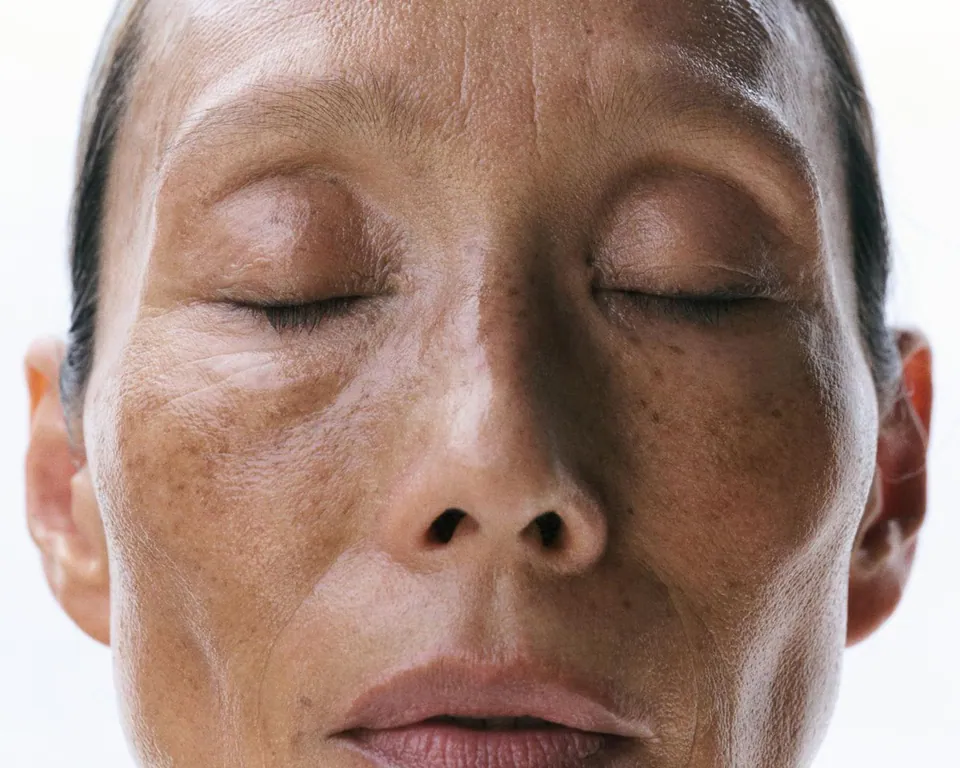
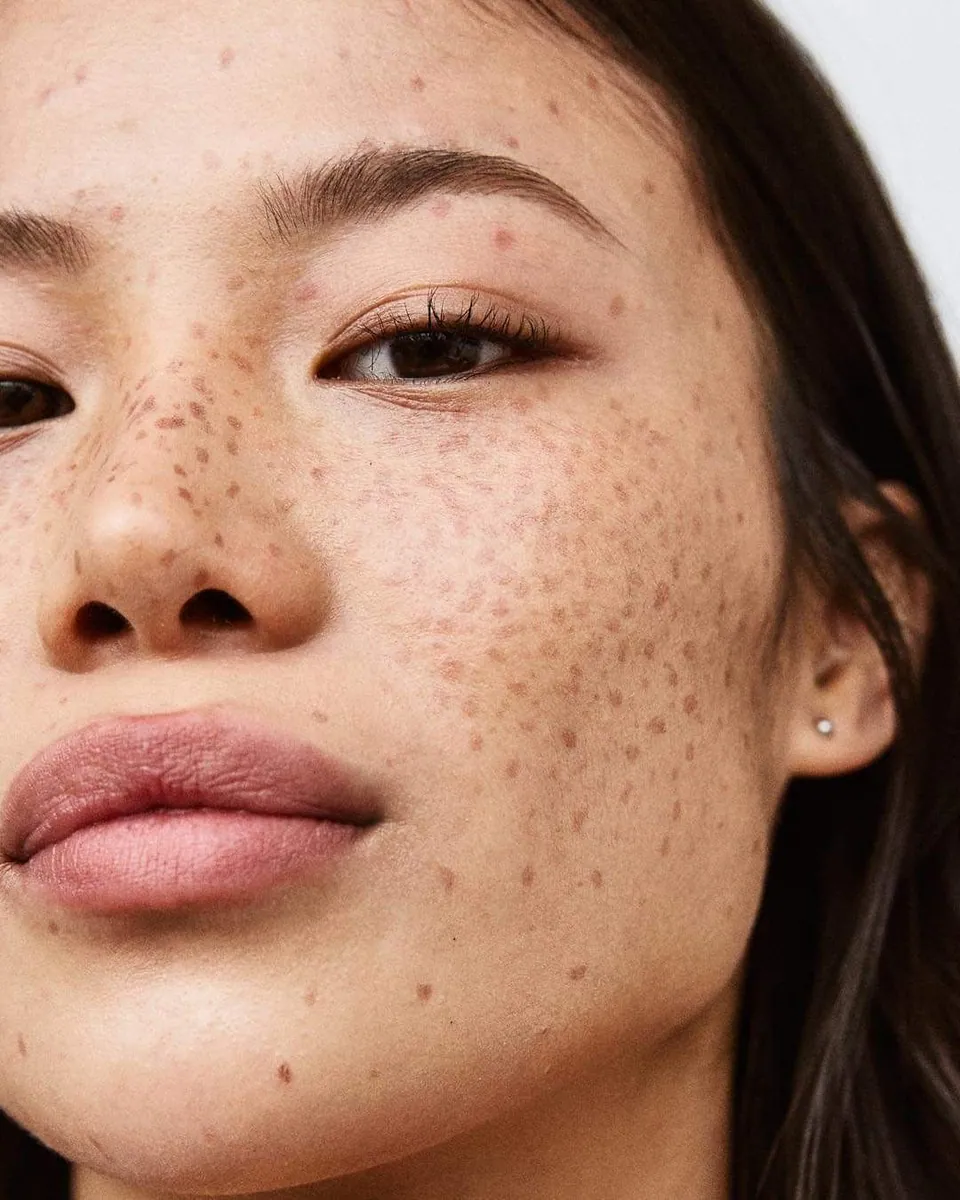
Using a combination of lasers, the treatment targets and reduces pigmentation such as sun spots, melasma and age spots, for a more uniform skin tone.
Improved pore size
The lasers stimulate collagen production, which tightens the skin and minimises the appearance of enlarged pores, for smoother, more refined skin.
Texture and clarity
By promoting cell turnover in the upper layers of the skin, the treatment helps to clear dullness and reduce blemishes, discolouration and uneven texture.
Lasers used
Two lasers, one protocol.
Each treatment combines two advanced lasers, chosen from:
Hollywood Spectra
A Q-switched Nd:YAG laser used for laser toning. It breaks larger pigment into smaller fragments that are cleared by the body's lymphatic system, is used particularly for melasma, and stimulates collagen with continued treatment.
Revlite SI
A Q-switched Nd:YAG laser that targets pigment-producing cells, breaking clusters of melanin into smaller particles the body naturally removes. It also stimulates collagen, helping to refine skin texture and acne scarring.
Clarity II
Combines Alexandrite and Nd:YAG wavelengths. The Alexandrite wavelength targets superficial pigmentation, while the Nd:YAG reaches deeper, persistent pigmentation. It also treats redness and skin texture problems.
Excel V+
Combines two wavelengths, 532nm and 1064nm, to address both superficial and deeper pigmentation, as well as redness.
Selected for your skin
The two lasers are chosen to complement one another, based on a dermatologist's assessment of your skin type and the type and depth of your pigmentation.
How it works
Different layers, different targets.
Breaks down melanin and reduces dark spots and uneven skin tone.
Stimulates collagen production in the dermis, improving skin texture.
Tightens the skin and minimises the appearance of pores.
Evens skin tone and reduces blemishes and discolouration.
Our approach
Assessed by a dermatologist.
Developed in Korea
The toning technique was developed in Korea over a decade ago as a low-energy laser approach to complex pigmentation.
Correct diagnosis first
Response to treatment depends on correct diagnosis and the depth of pigmentation. Your skin is assessed by a dermatologist and the treatment is tailored to your skin type and pigmentation.
It is a non-invasive treatment for reducing pigmentation and refining pores and skin texture, without significant downtime or recovery.
Is it right for you
Who this treatment suits.
- Pigmentation, dark spots and freckles
- Sun spots, age spots and melasma
- A mixture of different types of pigmentation
- Acne scars, enlarged pores and uneven texture
- Pigmentation that has not responded well to topical treatments
- Suitable for all skin types, including sensitive skin
- Non-invasive, with little to no discomfort reported
- Mild redness or warmth usually settles within a few hours
- No significant downtime: most people resume daily activities straight away
- Melasma can recur, so daily sun protection and maintenance are advised
- A consultation is recommended to confirm it suits your skin condition
Your consultant
Led by Dr Jinah Yoo.

Dr Jinah Yoo
MBChB FRCP · Consultant Dermatologist · FounderDr Jinah Yoo is a Korean UK-trained consultant dermatologist who is the founder and medical director of Dr Jinah Yoo Dermatology. Dr Yoo has completed intensive dermatology training and developed special interest in cosmetic dermatology, hyperpigmentary disorders and skin lymphoma.
She attended numerous observerships at the World's leading pigment/cosmetic dermatology clinics in USA, Singapore and South Korea and established the first NHS-based hyperpigmentation service at Queen Elizabeth Hospital in 2018.
- GMC-registered consultant dermatologist
- Fellow of the Royal College of Physicians (FRCP)
- Distinction in MSc, University of Manchester
- MSc project work on facial hyperpigmentation
The clinic
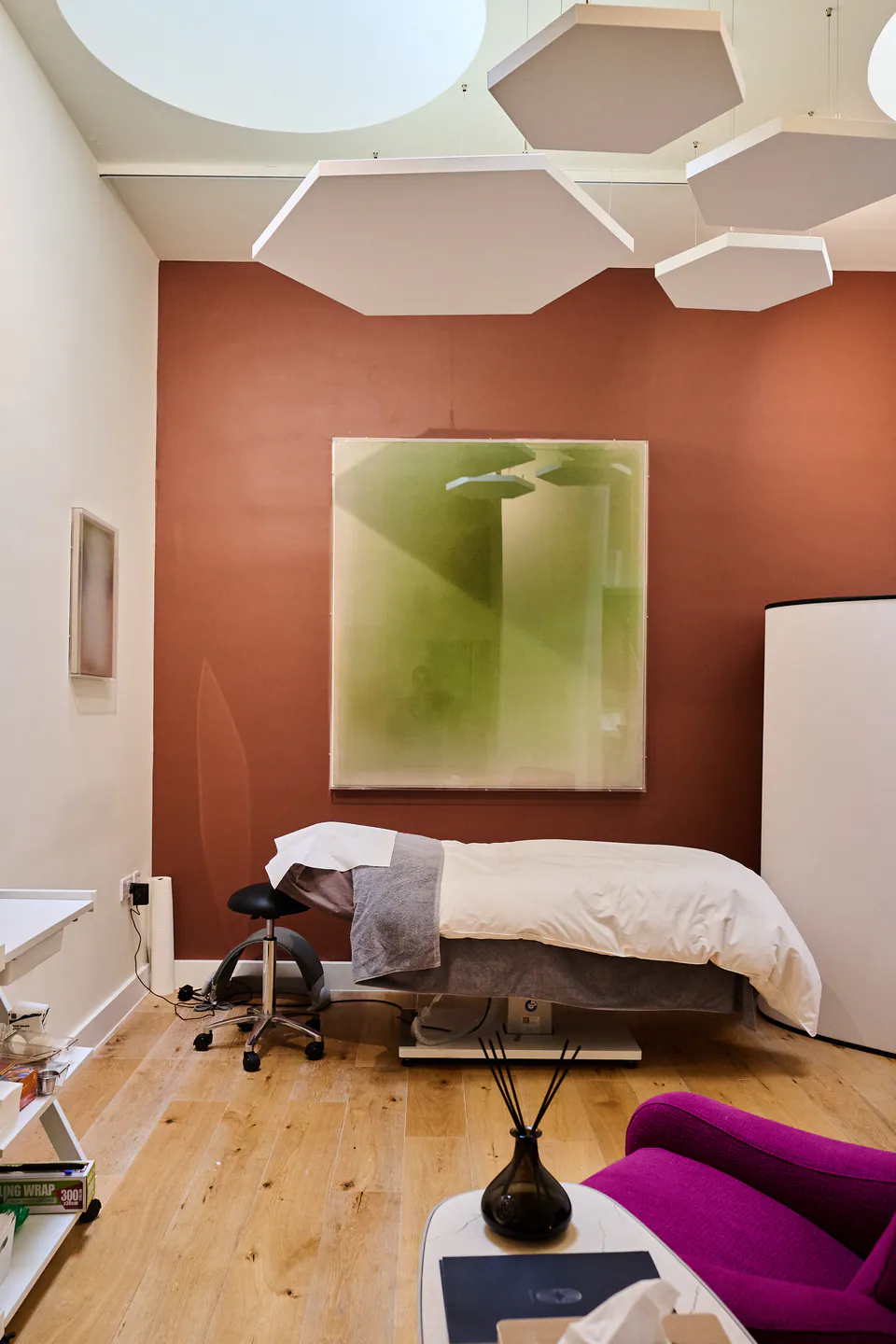
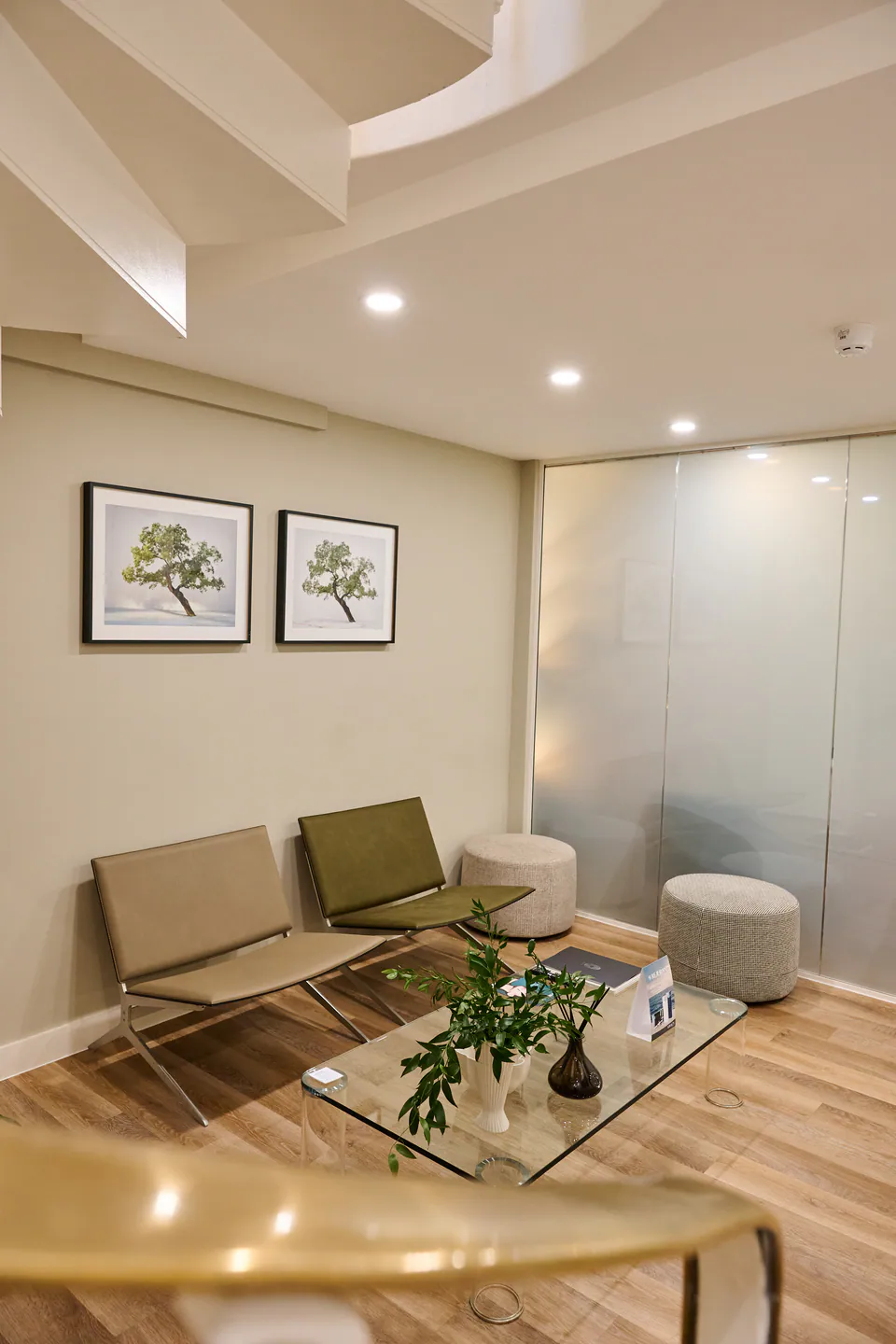
45 Albemarle Street, Mayfair.
Questions
Asked before booking.
Dr Jinah Yoo Laser Toning is a facial laser treatment that combines two advanced lasers to reduce pigmentation, tighten pores and refine skin texture. The two lasers are chosen from Hollywood Spectra, Revlite SI, Clarity II and Excel V+.
The lasers work on different layers of the skin to target specific concerns. Pigmentation: breaks down melanin and reduces dark spots or uneven skin tone. Collagen stimulation: stimulates collagen production in the dermis, improving skin texture. Pore refining: tightens the skin and minimises pore appearance. Skin clarity: evens skin tone and reduces blemishes or discolouration.
Pigmentation, including dark spots, freckles, sun spots, age spots and melasma. Uneven skin tone. Enlarged pores and uneven skin texture, including acne scarring. It is suitable for all skin types and has minimal downtime.
The procedure typically takes around 30 to 60 minutes depending on the area being treated. There is no significant downtime, so you can return to your normal activities straight after.
The number of sessions depends on your skin type and the type and severity of your pigmentation. A series of treatments is usually recommended, typically 3 to 5 sessions spaced a few weeks apart. Because melasma can recur, maintenance sessions and daily sun protection are advised.
Most patients report feeling little to no discomfort during the treatment. The treatment is non-invasive, and any sensation is often described as a mild warming or tingling feeling.
You may experience mild redness or a slight warmth to the skin immediately after the procedure, but these effects typically subside within a few hours. There is no significant downtime, and you can resume your daily activities after the treatment.
Side effects are usually mild. Some people experience mild swelling, redness or a temporary sensation of heat. These are normal reactions and should resolve within a few hours.
Yes. DJY Laser Toning can be combined with other treatments, such as topical treatments, chemical peels or skin boosters, where they suit your skin.
It is suitable for all skin types, including those with sensitive skin. It is particularly beneficial for individuals who wish to improve skin tone and texture and address pigmentation such as sun spots, acne scars or melasma. However, a consultation with a specialist is recommended to ensure it is the right treatment for your skin condition.
Yes. The treatment targets the upper layers of the skin and promotes cell turnover, which helps remove dead skin cells and improves skin clarity and texture.
Yes. It works alongside a consistent skincare routine, including a gentle cleanser, products with hyaluronic acid for hydration and daily sun protection.
UV exposure can stimulate pigment-producing cells, worsening pigmentation such as melasma and causing dark patches to reappear. We advise using a high SPF sunscreen every day to help maintain your treatment results.
Yes, using a gentle cleanser as part of your skincare routine before and after the treatment is recommended. This ensures the skin is clean and free of irritants and supports overall skin health.
Support hydration after the treatment by incorporating products with hyaluronic acid into your skincare routine, and protect the treated skin with a high SPF sunscreen.
Next step
Start with a skin assessment.
A consultation with a specialist is recommended to ensure it is the right treatment for your skin condition.