

Hyperpigmentation
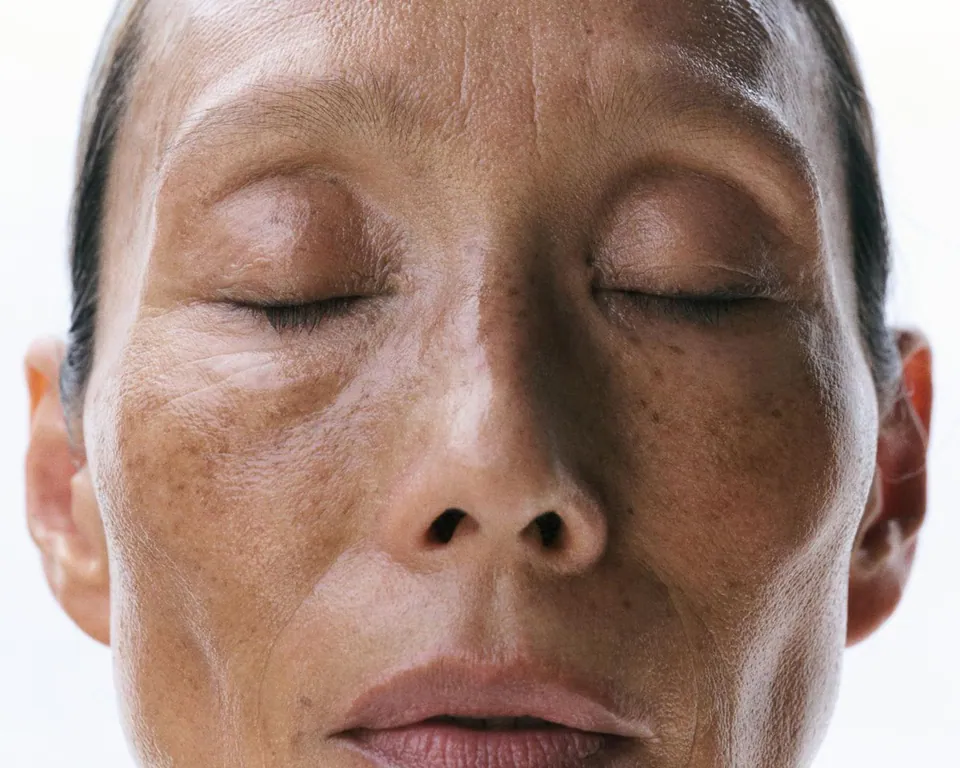
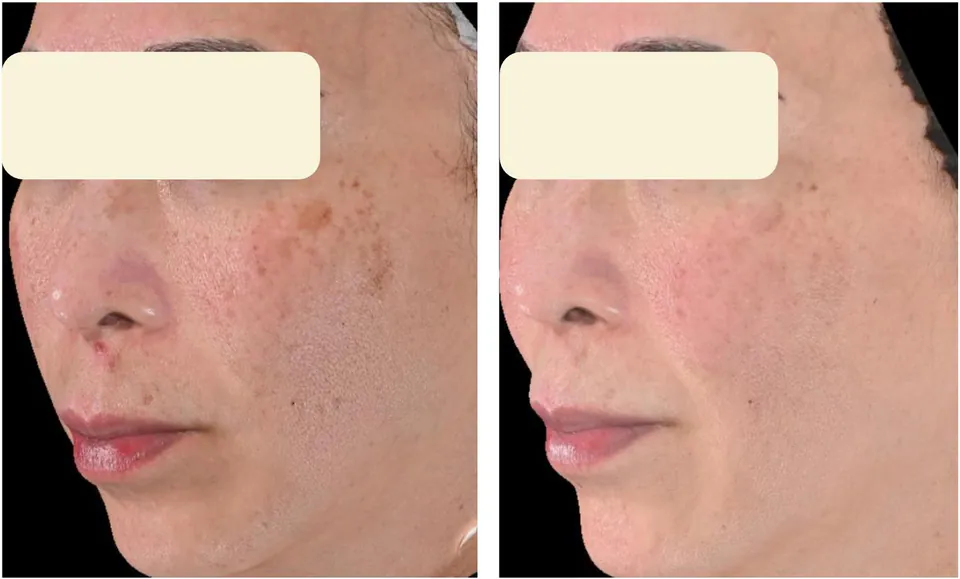
Our Hyperpigmentation Programme has been designed for patients with a mixture of various hyperpigmentation affecting different layers of the skin, such as melasma, post-inflammatory hyperpigmentation, freckles and lentigines.








What it is
A description, not a diagnosis.
Hyperpigmentation is a term to describe darker than normal skin and not a diagnosis. It is important to get the diagnosis right before the treatment.
There is a wide differential diagnosis of hyperpigmentation, and the right treatment depends entirely on which condition is causing it and at what depth the pigment sits.
What we treat
Four categories, four approaches.
Melasma
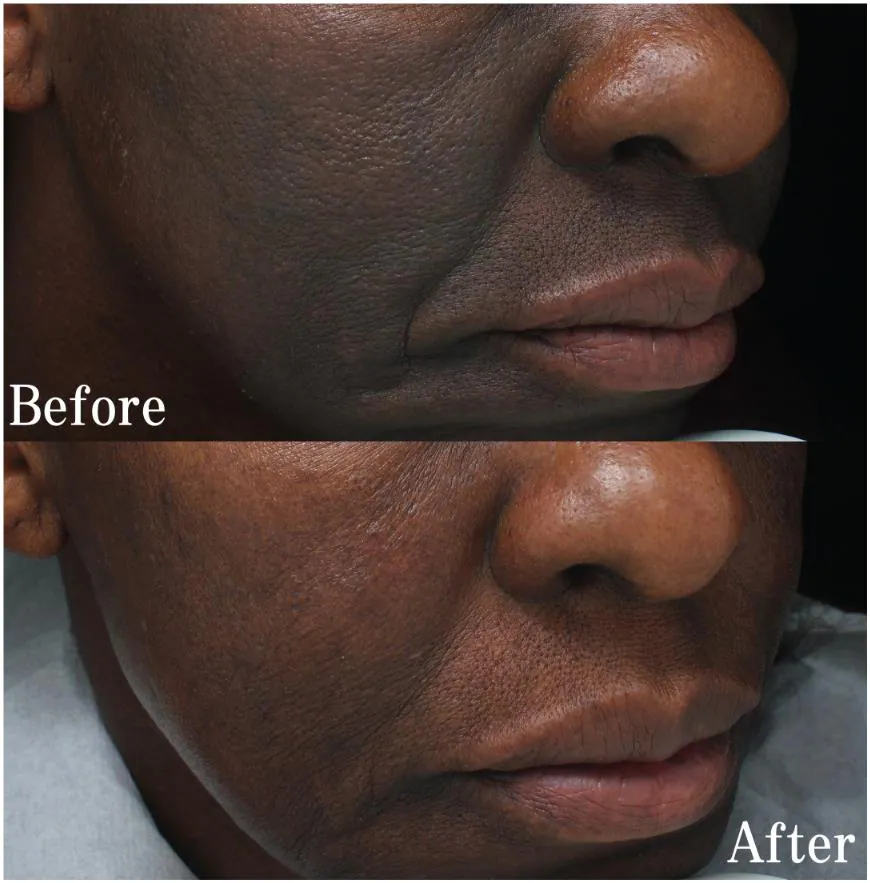
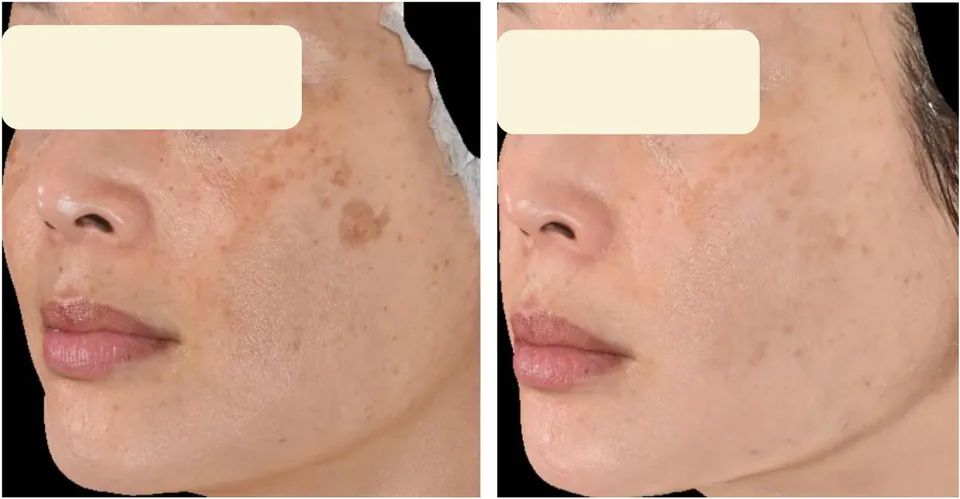
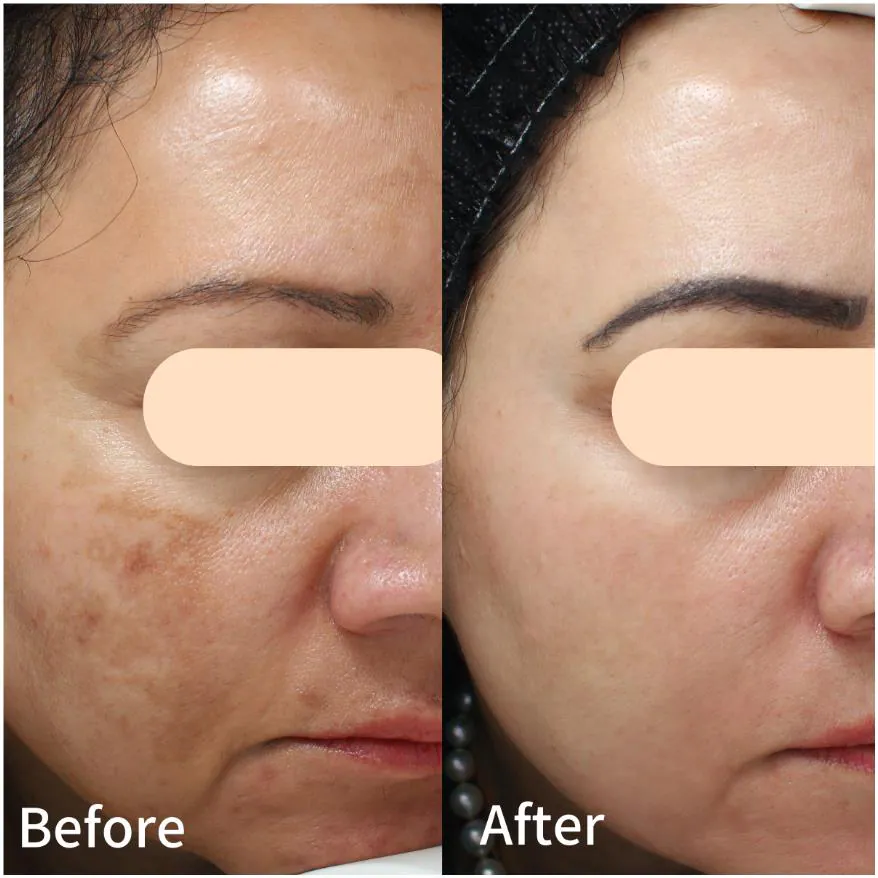
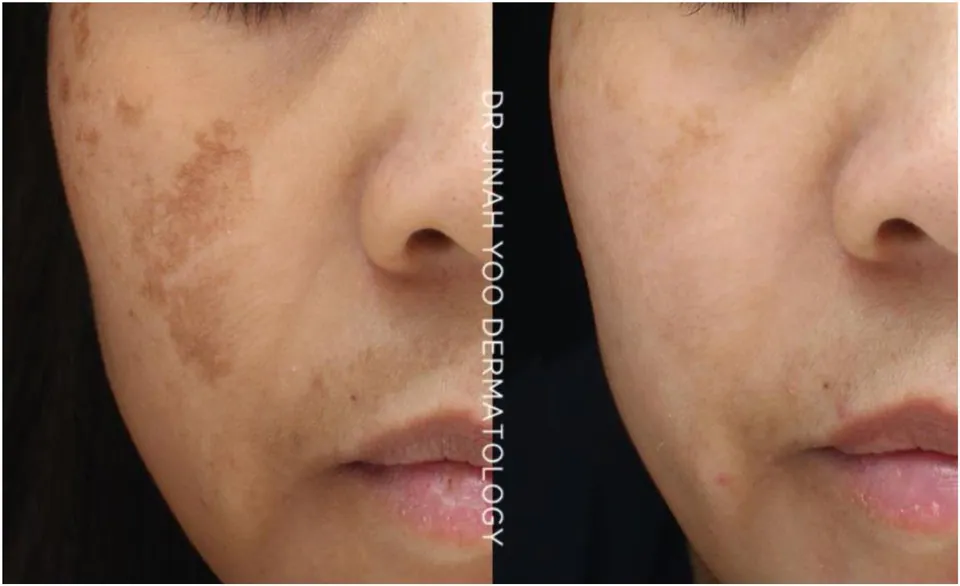
Melasma is a common hyperpigmentary disorder which can be triggered or worsened by sun exposure and hormonal changes. There is no cure and it often recurs after treatment, so the key to successful management is to address all underlying causes as well as preventing recurrence after the initial successful treatment. A combination of medical therapies and laser toning can improve melasma.
Post-inflammatory hyperpigmentation (PIH)
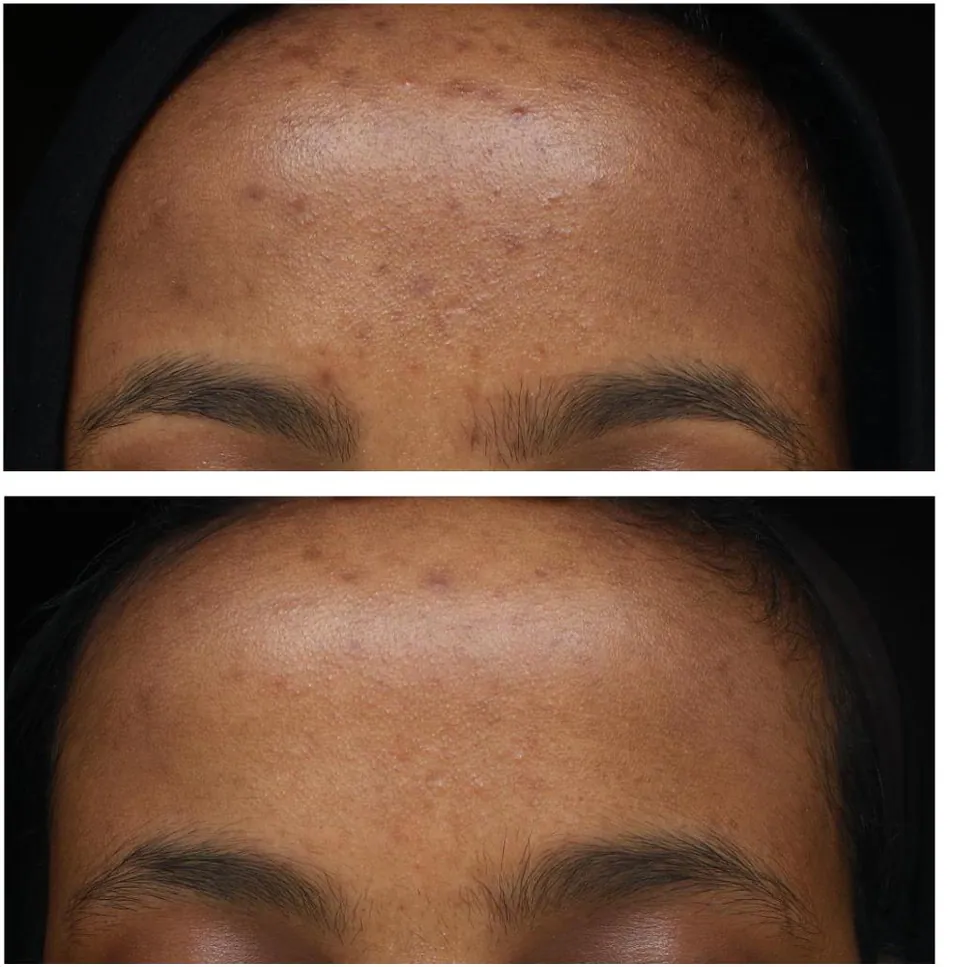
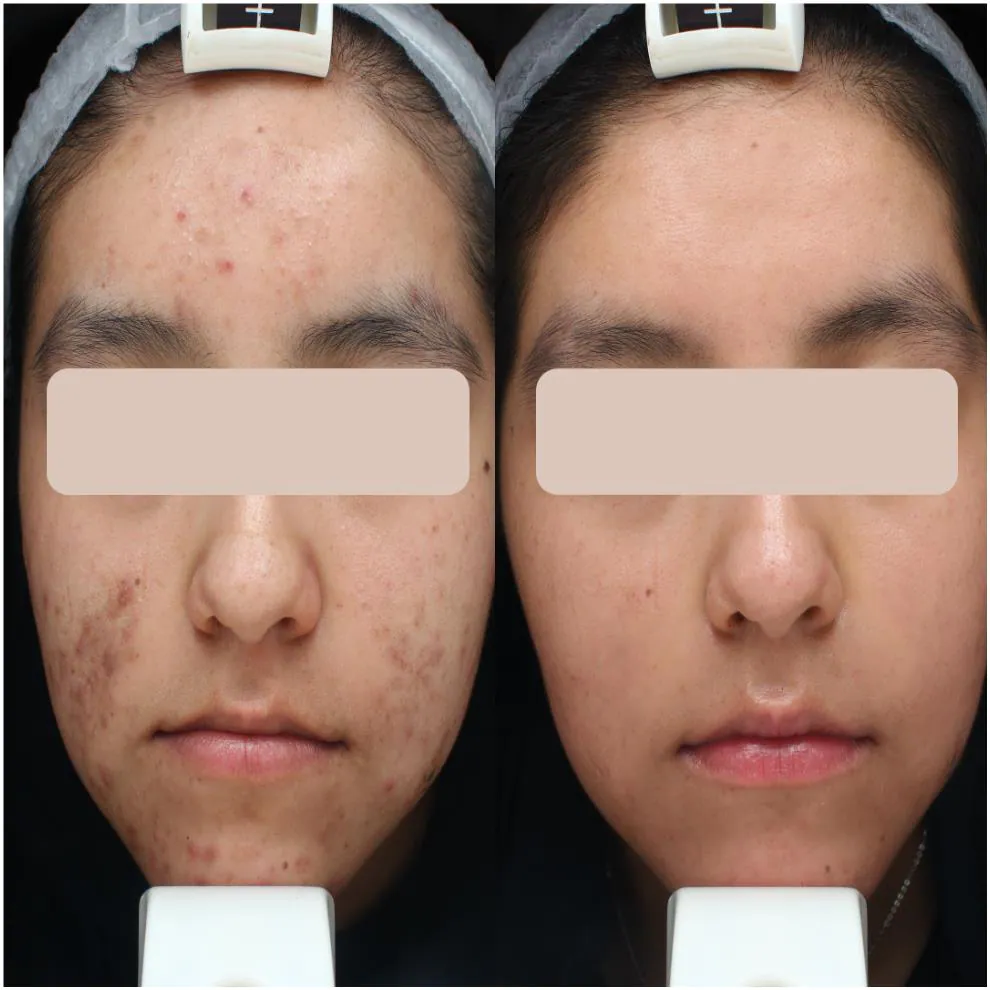
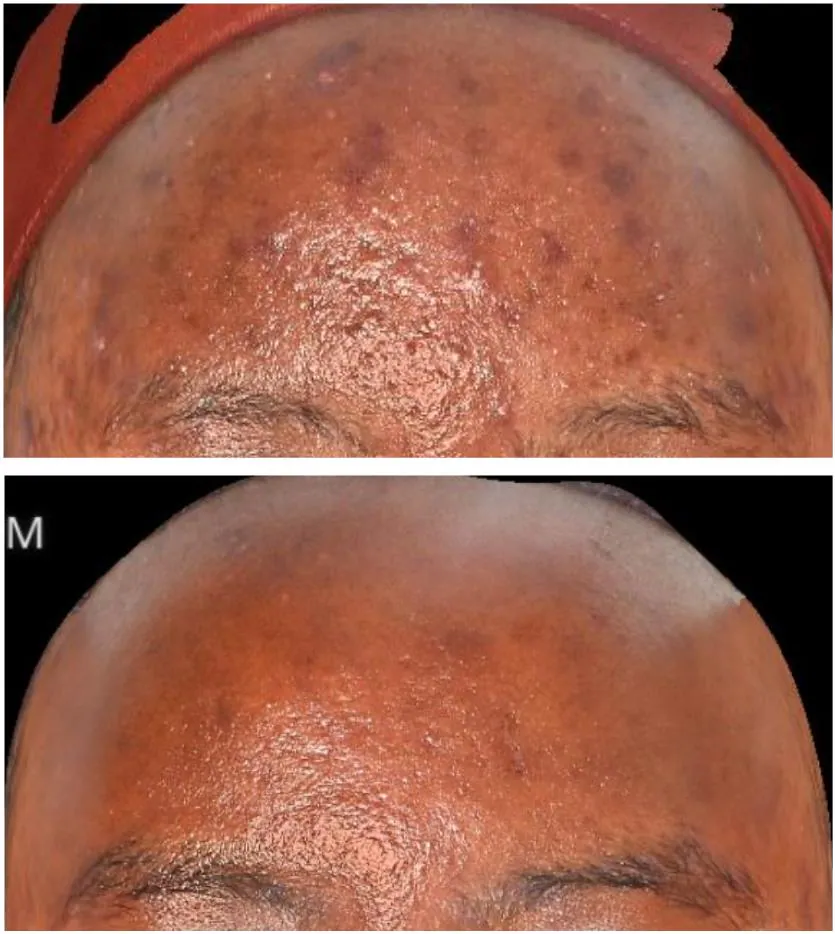
PIH is caused by inflammation on the skin such as acne, eczema, trauma or cosmetic procedures including peels, microneedling and laser. It may fade with time over months to years, but treatments can speed up the process: laser toning, prescription cream, or iontosonophoresis combined with skin lightening ingredients to deliver the lightening actives to the deeper layers of the skin where the pigmentation tends to be found.
Freckles & age spots (lentigines)
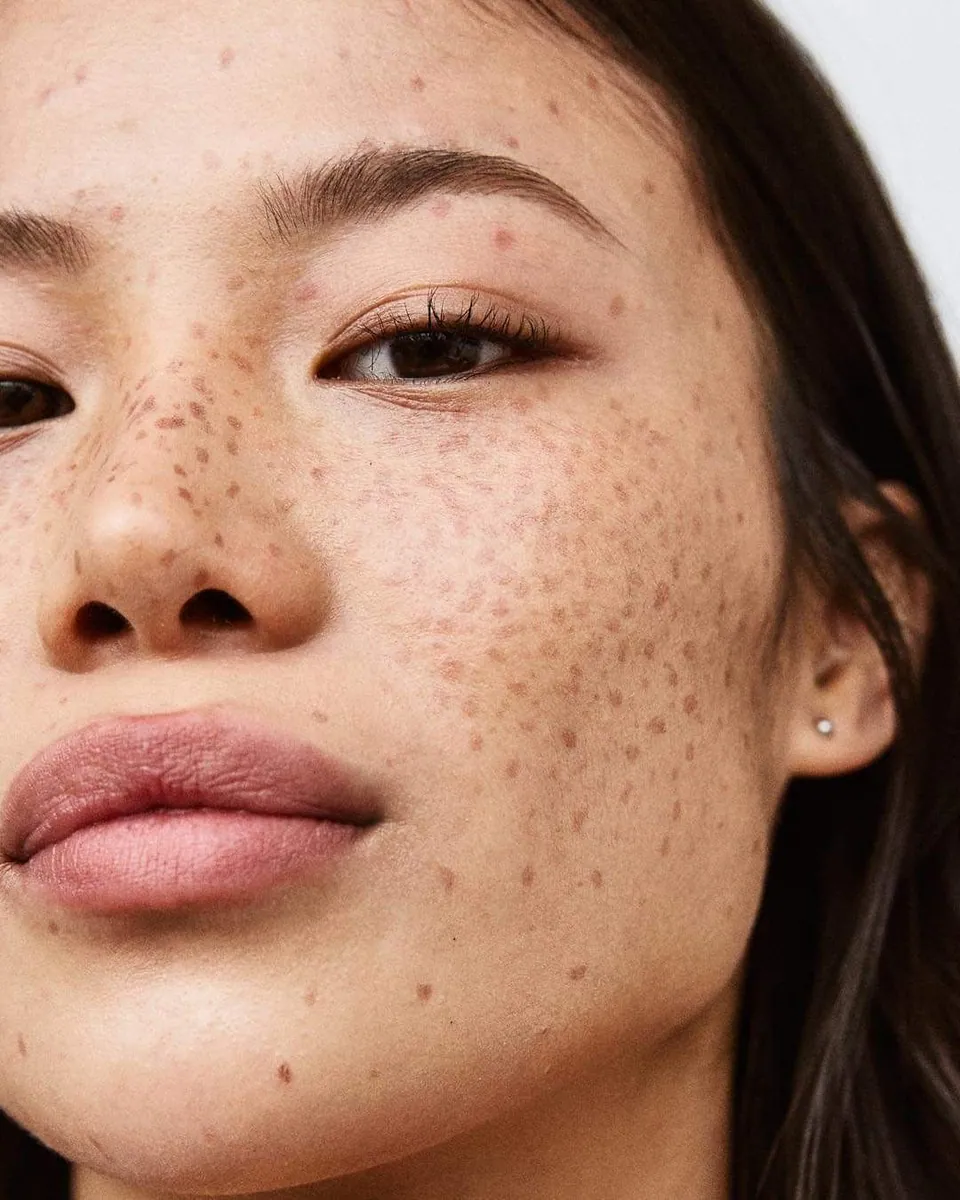
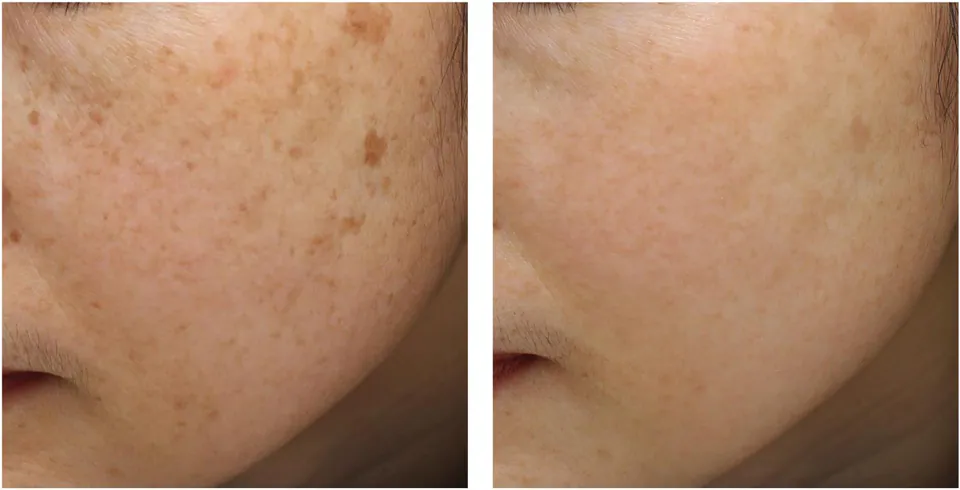
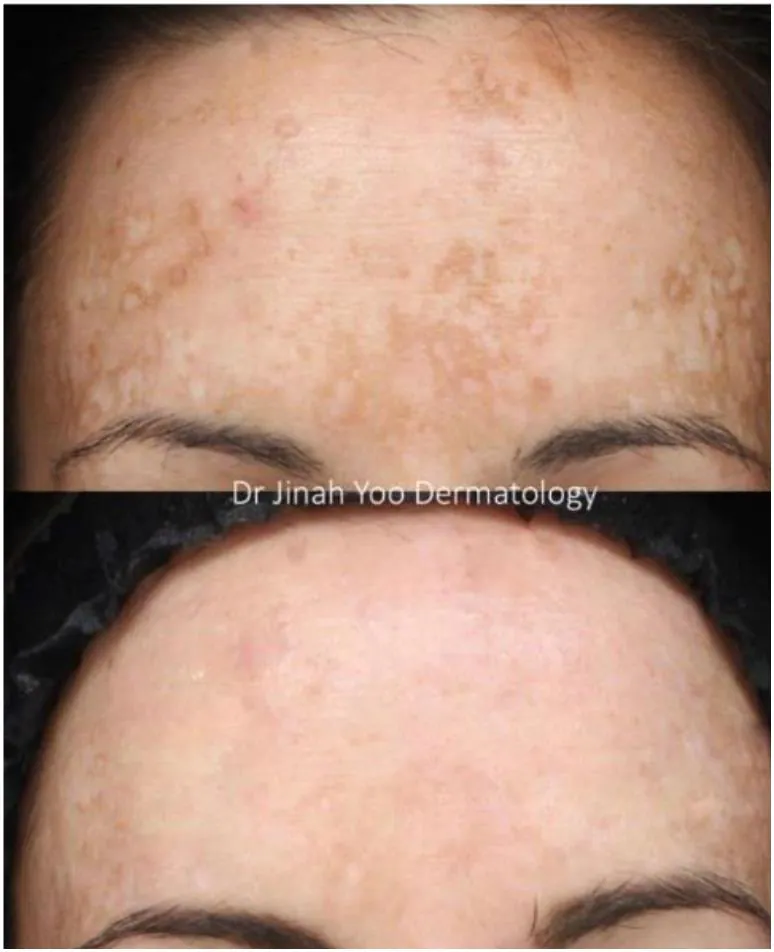
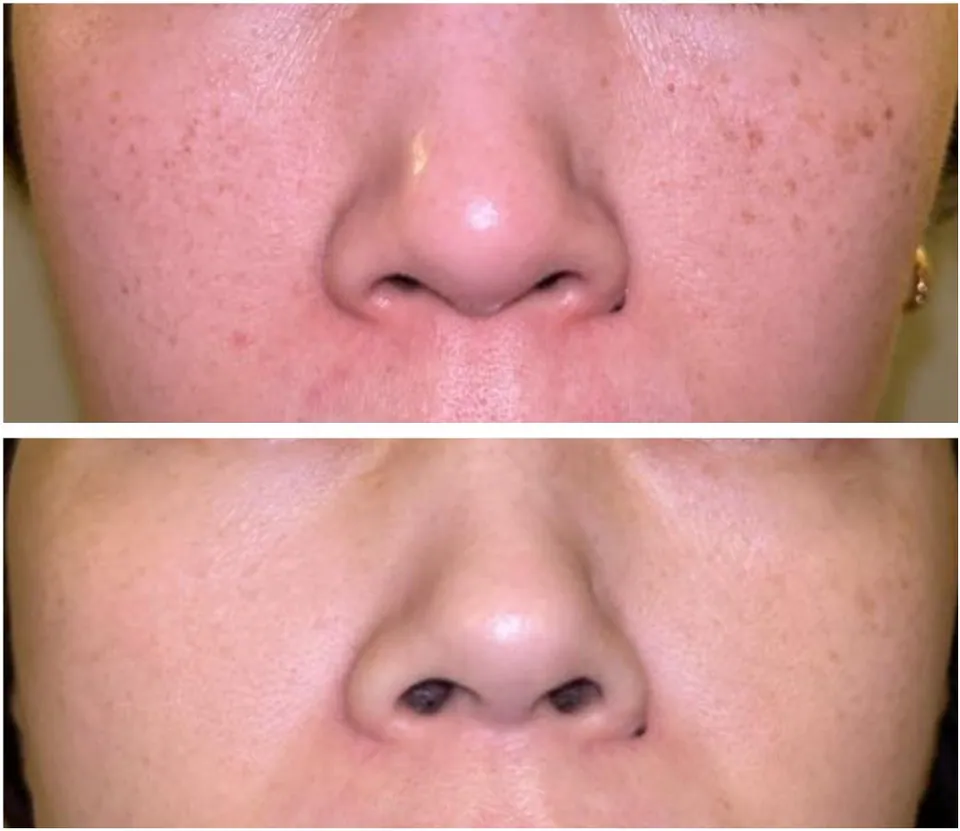
Freckles and age spots are more superficial pigmentation which can be removed successfully with lasers, but there is a high risk of recurrence, especially with sun exposure. Some maintenance gentle laser treatment can keep it under control for a longer duration.
Other pigmentary conditions
Some pigmentary disorders such as naevus of Ota, ABNOM and café au lait macules are caused by an increased number of cells containing pigments rather than increased production of melanin. Topical skin lightening cream is not effective for these, and they are best treated with laser. We have various pigment lasers to target different depths and types of pigmentation.
“Hyperpigmentation is a term to describe darker than normal skin and not a diagnosis. It is important to get the diagnosis right before the treatment.”
How it is treated
Matched to the condition.
Various pigment lasers target different depths and types of pigmentation, from superficial lentigines to dermal pigment cells.
Prescription creams and medical therapies combined with laser toning, particularly for melasma where underlying causes must be addressed.
Skin lightening actives delivered to the deeper layers of the skin where the pigmentation tends to be found.
Chemical peels and medical-grade skincare form part of the customised plan where appropriate.
Maintenance treatment and sun protection keep pigmentation under control for longer, particularly with melasma and lentigines.
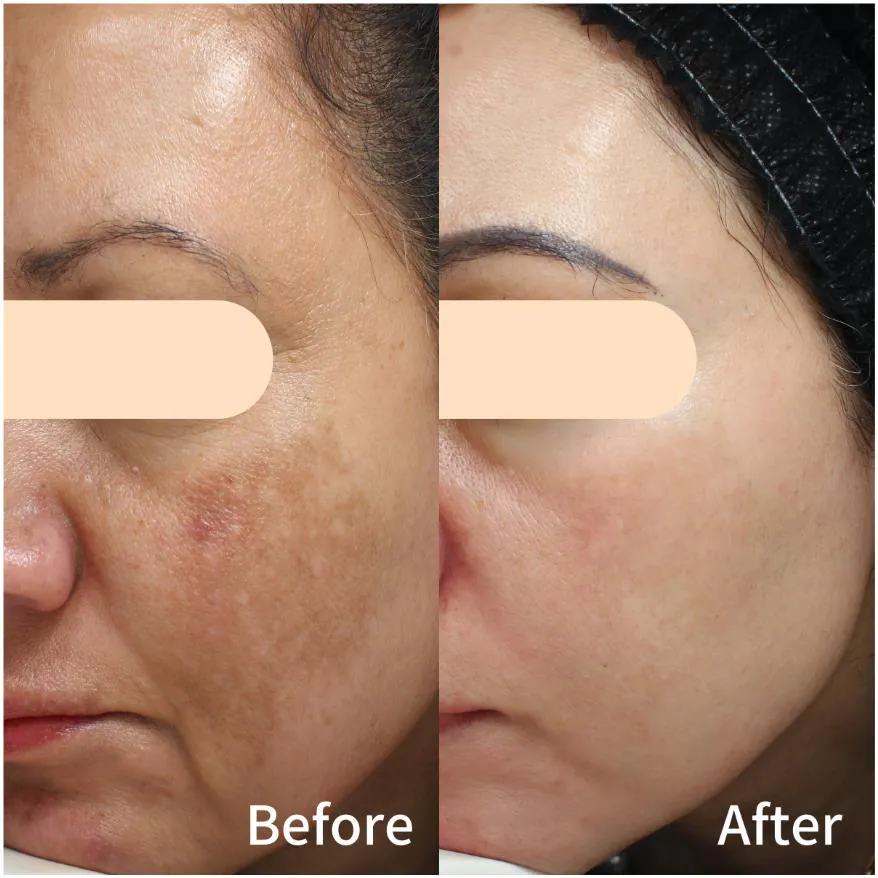
Results
Before and after.
Your consultant
A pigment specialist.

Dr Jinah Yoo
MBChB FRCP · Consultant Dermatologist · FounderDr Yoo has a special interest in cosmetic dermatology, hyperpigmentary disorders and skin lymphoma. She spent the final year of her MSc researching facial hyperpigmentation, which equipped her with scientific knowledge on aetiology and an evidence-based approach to management.
She has extensive experience in hyperpigmentation from her clinical work as well as observerships in the world's leading pigment centres in the USA, South Korea and Singapore, and established the first NHS-based hyperpigmentation service at Queen Elizabeth Hospital in 2018.
- GMC-registered consultant dermatologist
- Fellow of the Royal College of Physicians (FRCP)
- Founded the first NHS hyperpigmentation service, 2018
- Observerships in USA, Singapore and South Korea
The clinic
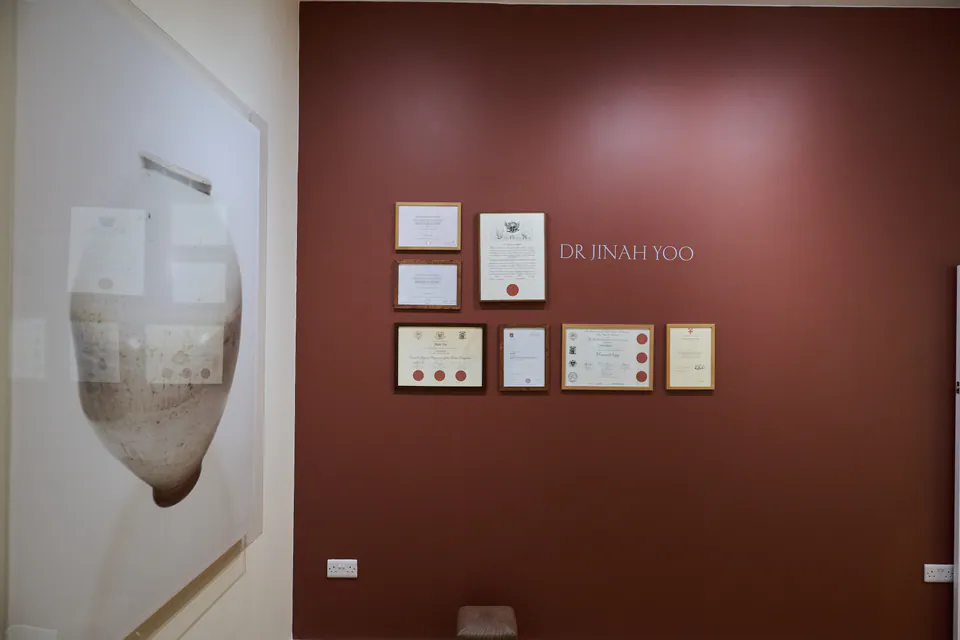
45 Albemarle Street, Mayfair.


Questions
Asked before booking.
Hyperpigmentation can be treated using a combination of advanced dermatological treatments, such as laser therapy, chemical peels and medical-grade skincare. We carefully assess your skin to recommend the most effective, customised plan for reducing hyperpigmentation and achieving an even skin tone.
Yes, our treatments are completely safe and carried out by experienced professionals using the latest technology. We prioritise patient safety and use evidence-based methods tailored to your skin type and condition to ensure effective results with minimal risk.
The number of sessions required depends on the severity of your hyperpigmentation and the treatment selected. Typically, noticeable improvements can be seen after a few sessions, but a personalised treatment plan will be provided during your consultation to ensure optimal results.
Absolutely. Every treatment is bespoke and tailored to your unique skin type and concerns. During your consultation we assess your skin thoroughly and create a customised plan to target hyperpigmentation while enhancing your skin's overall health.
Our hyperpigmentation treatments are designed to be as comfortable as possible. While some treatments, like lasers or peels, may cause mild sensations during the procedure, most patients find them tolerable. We also offer cooling and soothing measures to ensure your comfort throughout.
The time frame for visible results varies depending on the treatment used and the individual's skin type. Some patients notice improvements within a few weeks, while others may require multiple sessions over a few months to achieve their desired outcome.
Yes, we offer advanced laser treatments to target and reduce hyperpigmentation effectively. Our state-of-the-art devices are designed to treat pigmentation issues with precision, delivering noticeable results while being gentle on the skin.
After a laser session you may experience mild redness or sensitivity in the treated area, which usually subsides within a few hours to a few days. It is important to follow post-treatment care instructions, such as avoiding direct sunlight and using high-SPF sunscreen, to protect your skin and maximise results.
Next step
Get the diagnosis right first.
There is a wide differential diagnosis of hyperpigmentation. Your skin is assessed thoroughly before any treatment is recommended.