


Melasma
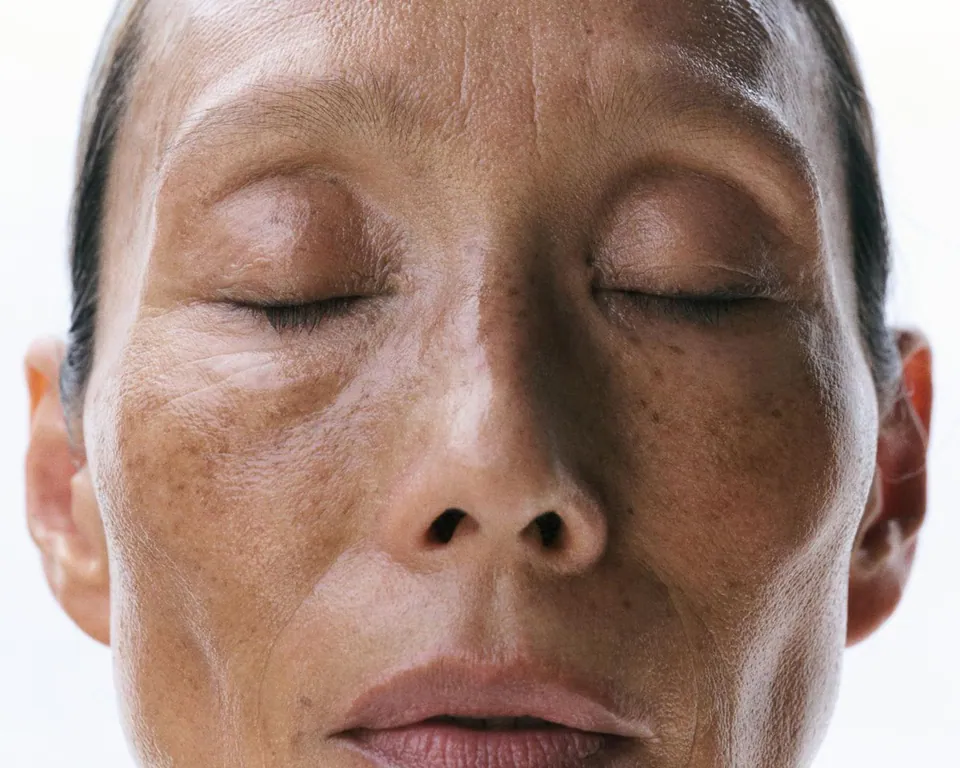
Melasma is a complex and persistent skin condition, often appearing as dark patches on the face, especially areas frequently exposed to sunlight: the cheeks, forehead and upper lip. While it cannot be completely cured, we offer highly effective treatments designed to address underlying causes, lighten pigmentation and prevent recurrence.








What melasma is
Overactive pigment cells.
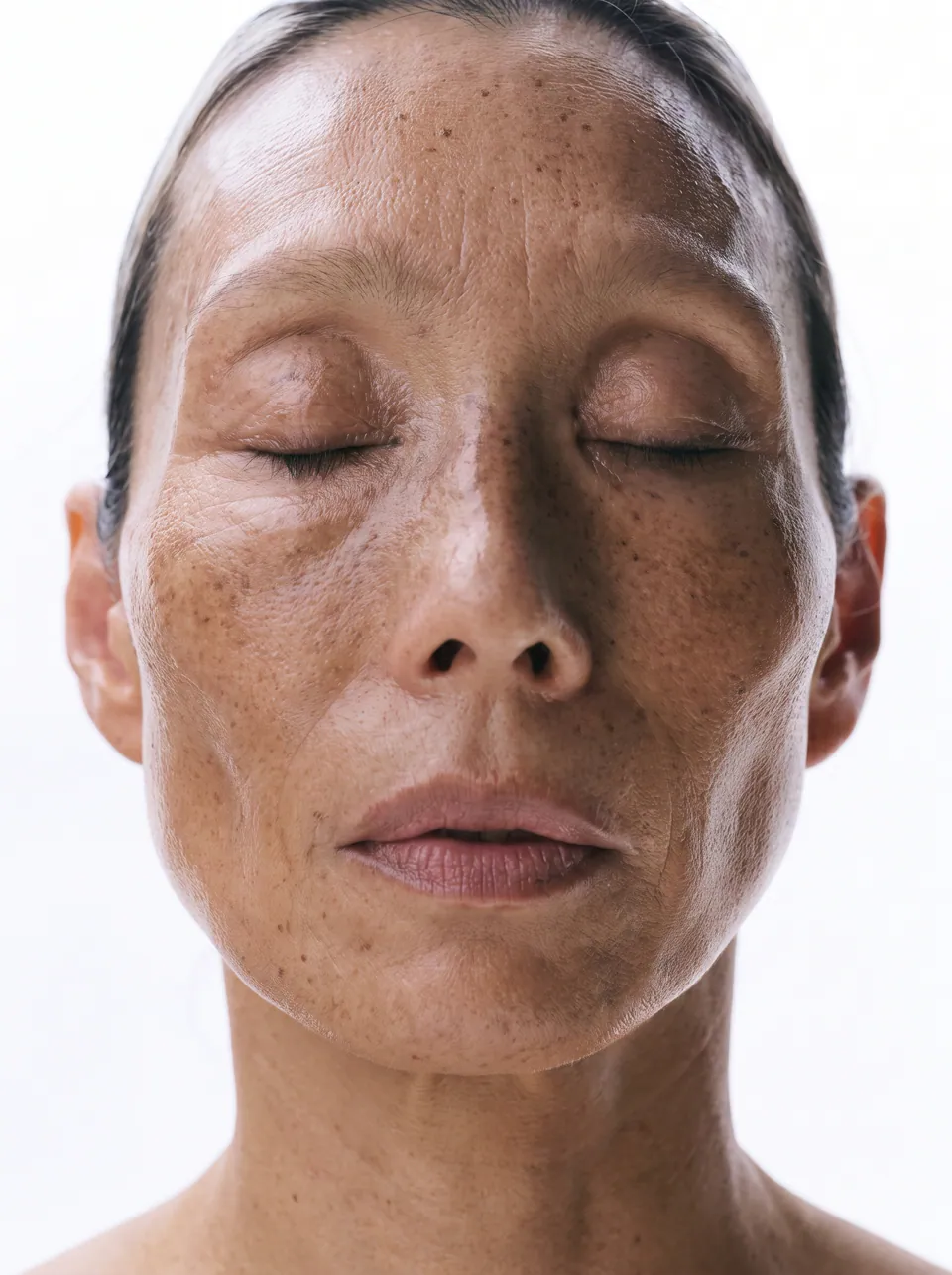
Melasma is a form of hyperpigmentation where melanin-producing cells become overactive, resulting in dark, uneven patches on the skin. The condition often worsens with sun exposure and is more common among people with darker skin tones due to a higher concentration of melanin.
Sun exposure, genetic predispositions and hormonal changes are known to trigger melasma. Since the condition can recur even after treatment, a comprehensive approach that includes sun protection, targeted treatments and ongoing maintenance is crucial for long-term management.
How we treat melasma
Pigment treated at every depth.
Following extensive observerships at the world's leading pigment clinics in the USA, Singapore and Korea, we developed our unique melasma treatment programme. Treatments are tailored to target pigmentation at different skin depths, combining advanced laser therapies, brightening care and skin-rejuvenating treatments, customised to each patient's skin type and pigmentation, for both immediate improvements and long-term results.
Medical treatments
Evidence-based medical treatments such as bespoke compounding cream containing hydroquinone and retinoid, or oral medication such as tranexamic acid, can be prescribed following assessment of your general health and skin.
Hollywood Spectra & Revlite SI
Premium Q-switched Nd:YAG lasers, widely regarded as the gold standard in laser therapy for melasma. They target pigment-producing cells, breaking down larger clusters of melanin into smaller particles the body naturally removes, and stimulate collagen, improving texture and tone over time. Known for safety across all skin types.
Clarity II
A dual-wavelength device combining Alexandrite and Nd:YAG wavelengths to precisely address different pigmentation layers. The Alexandrite wavelength targets superficial pigmentation while the Nd:YAG penetrates deeper for persistent pigmentation, breaking down pigment particles without harming surrounding skin.
Sylfirm X & Virtue RF
Combine radiofrequency energy with microneedling to reach deeper layers of the skin for complex pigmentation. They stimulate natural collagen and elastin production, making them particularly effective for melasma and post-inflammatory pigmentation while enhancing firmness and resilience.
Excel V+
A dual-wavelength option with 532nm and 1064nm wavelengths, addressing both superficial and deeper pigmentation for a multi-layered approach to melasma, redness and fine lines. Safe for all skin types with minimal recovery time.
Brightening / vitamin care
Our brightening programme uses vitamin-rich care to lighten pigmentation and improve skin tone, delivering potent skin-lightening agents such as vitamins A, C and E deep into the skin through iontophoresis and sonophoresis.
Skinboosters
To improve the skin environment in the dermis, we offer skinboosters: delivery of nutrients, polynucleotides and exosomes into the skin. These support skin health and help prevent recurrence of pigmentation by strengthening the skin barrier.
DJY Laser Toning
Our toning protocol uses low-energy laser treatments designed for complex pigmentation including melasma. Developed in Korea over a decade ago, it helps with deep pigmentation and improves overall texture, brightness and firmness with minimal downtime.
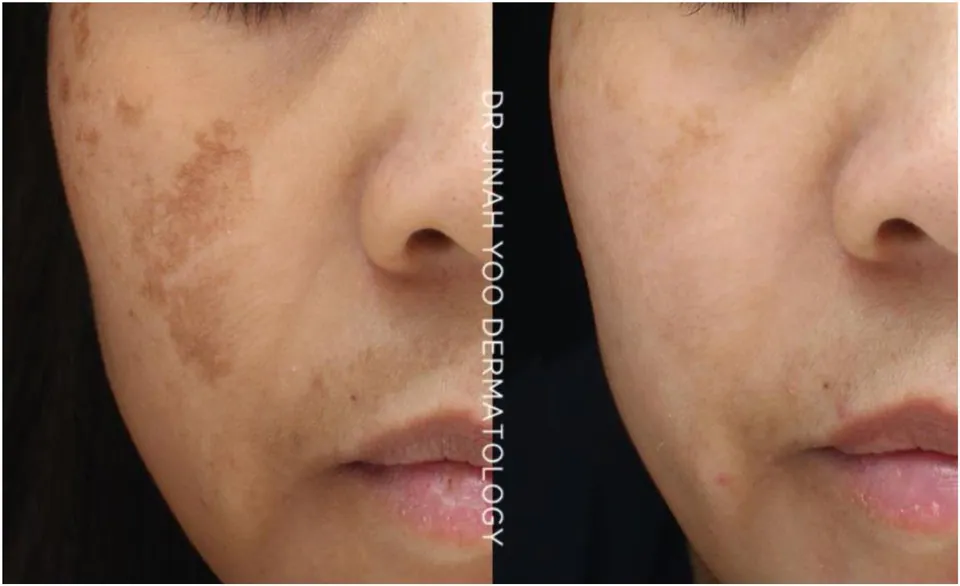
Results
Before and after.
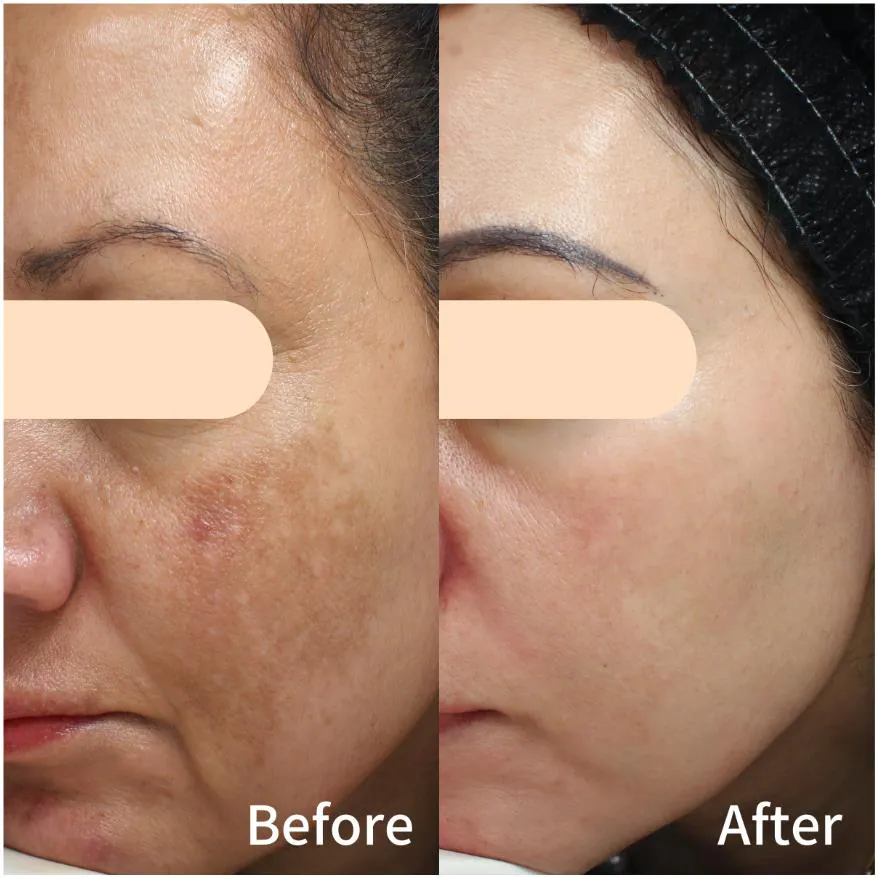
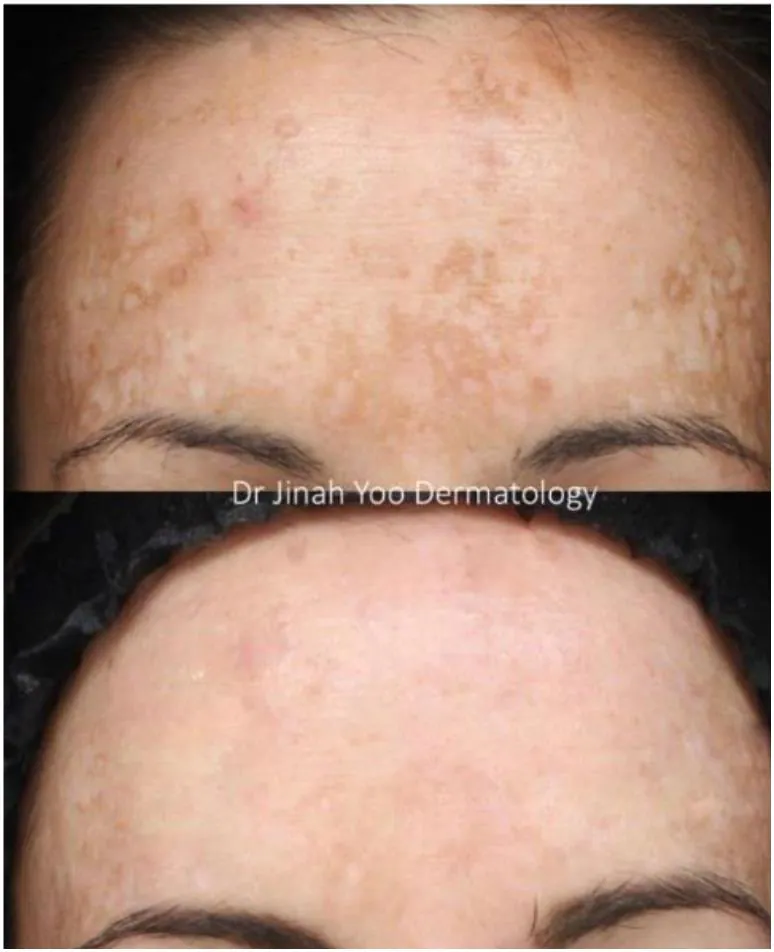
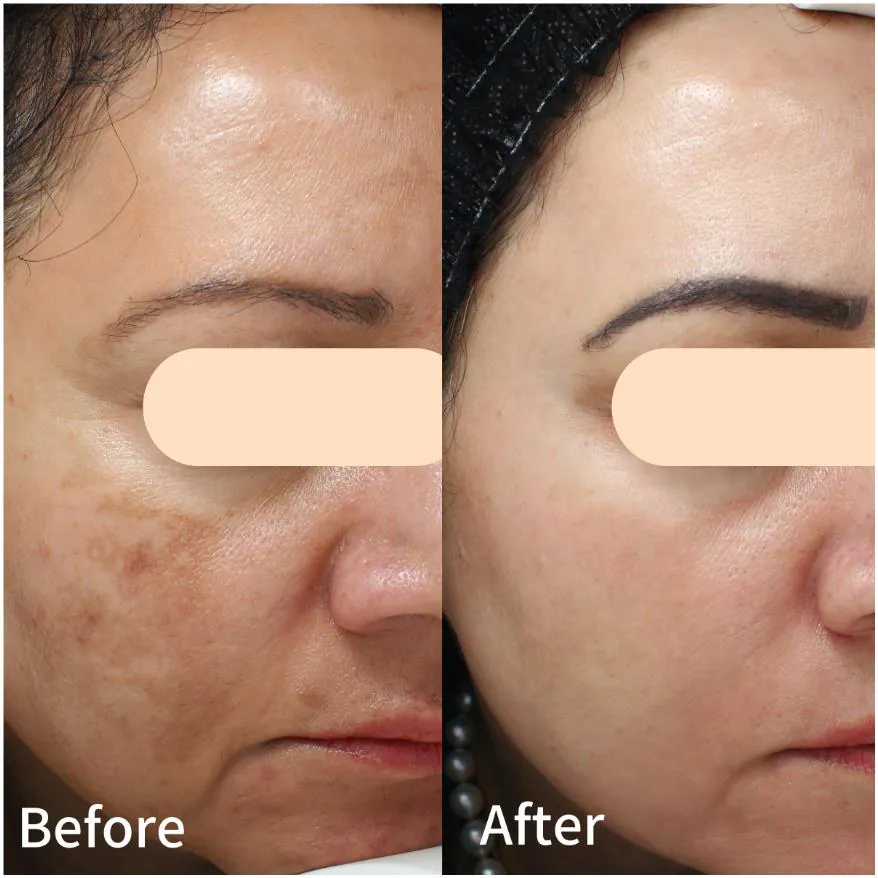
Why our melasma treatments are special
Five things we insist on.
Our treatments are developed through years of experience in laser dermatology, ensuring each procedure is effective, safe and tailored to individual needs.
We use cutting-edge devices to target melanin production safely, especially for patients with darker skin tones.
With our innovative toning techniques and gentle vitamin infusions, patients can achieve the results they want with minimal downtime and discomfort.
We emphasise a preventive approach, combining treatments with sun protection guidance and post-treatment care to maintain and prolong results.
Every melasma treatment is customised to the skin type and pigmentation of each patient, allowing each person to experience optimal results.
“Melasma can recur even after treatment. Sun protection, targeted treatment and ongoing maintenance together are what make long-term management possible.”
Is it right for you
Who this programme suits.
- Have melasma or other hyperpigmentation, including post-inflammatory or sun-induced pigmentation
- Seek treatment for persistent dark patches in sun-exposed areas
- Have tried topical treatments or skin lightening creams with suboptimal results
- Prefer non-surgical treatments with minimal downtime
- Need customised solutions for pigmentation in different layers of the skin
- Melasma cannot be completely cured: it is a chronic condition
- It has a higher probability of recurring, so maintenance matters
- Daily sun protection is essential, even indoors
- Most patients see improvement after a few sessions, with optimal results over several months
- Treatment on darker skin types is tailored and gentler to avoid further pigmentation
Your consultant
A pigment specialist.

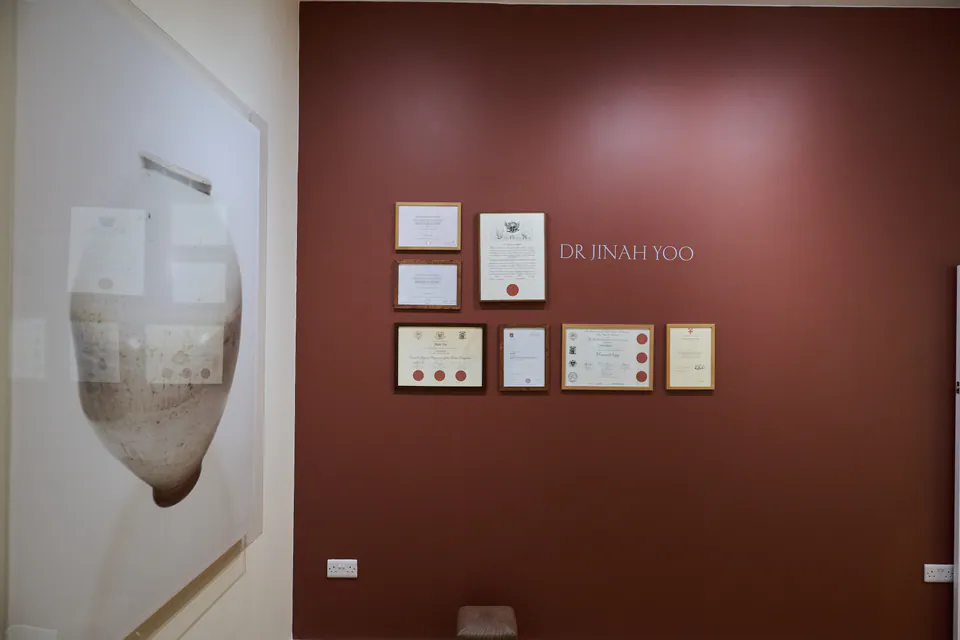
Dr Jinah Yoo
MBChB FRCP · Consultant Dermatologist · FounderDr Yoo has a special interest in cosmetic dermatology and hyperpigmentary disorders, and spent the final year of her MSc researching facial hyperpigmentation, giving her scientific knowledge of aetiology and an evidence-based approach to management.
Our melasma programme was developed following her extensive observerships at the world's leading pigment clinics in the USA, Singapore and Korea. She established the first NHS-based hyperpigmentation service at Queen Elizabeth Hospital in 2018.
- GMC-registered consultant dermatologist
- Fellow of the Royal College of Physicians (FRCP)
- Founded the first NHS hyperpigmentation service, 2018
- Observerships in USA, Singapore and South Korea
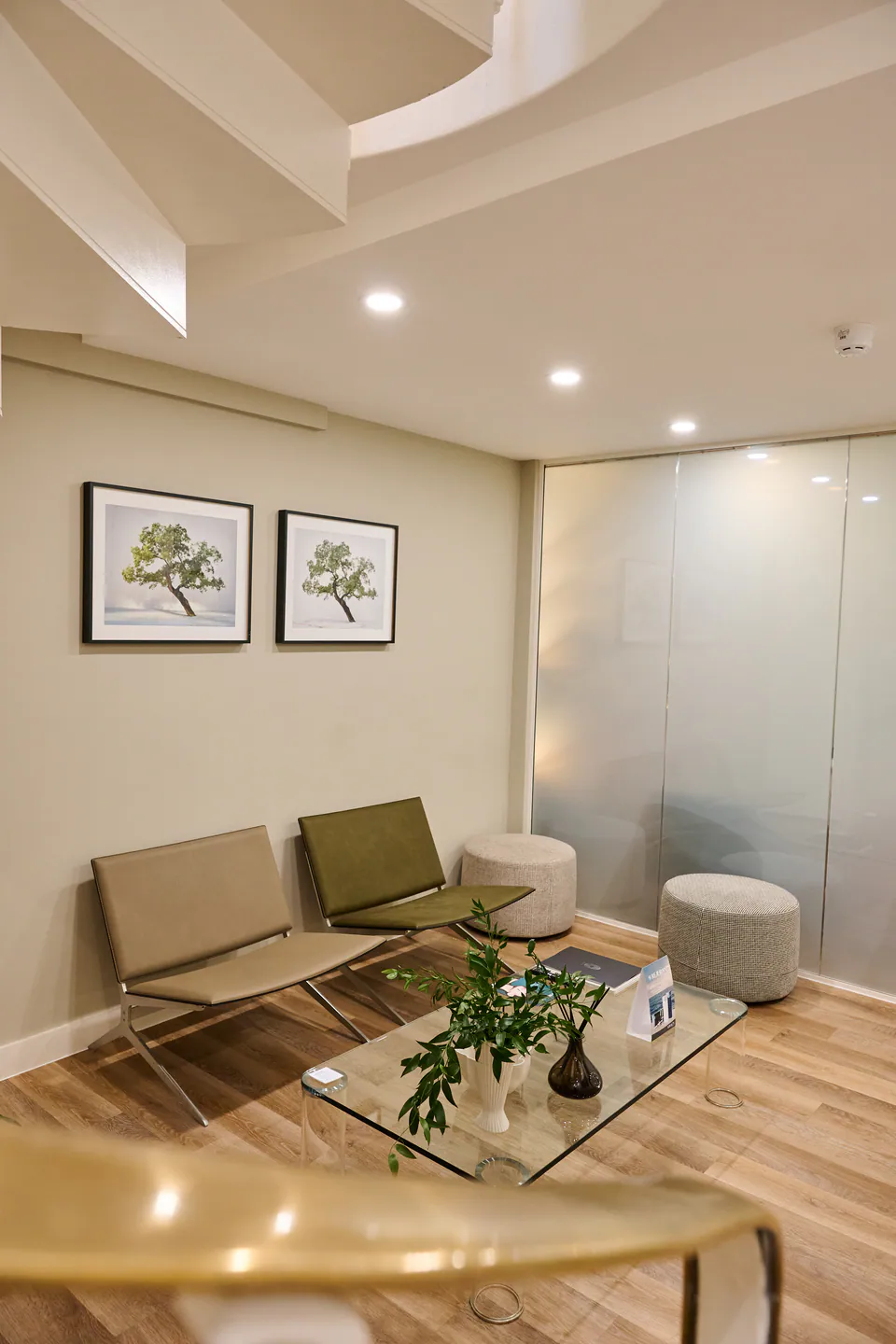
The clinic
45 Albemarle Street, Mayfair.

Questions
Asked before booking.
Melasma is caused by an overactivity of pigment-producing cells, known as melanocytes, that produce excess melanin in the skin. Several factors are responsible, including prolonged exposure to the sun, frequent hormonal changes and certain medications. Since melasma can be deeply rooted in the skin, it often requires targeted treatments and ongoing care to manage effectively. It has a higher probability of recurring, so consistent sun protection and maintenance treatments are essential.
Yes. However, it requires careful consideration, as darker skin is more prone to hyperpigmentation and requires tailored gentle treatments. Our laser technology is designed to safely treat melasma in patients with darker skin types while minimising the risk of further pigmentation issues.
Sun protection is crucial, as UV exposure can stimulate pigment-producing cells, worsening melasma and causing dark patches to reappear. We advise using high SPF sunscreens, UV-protective sunglasses and other protective measures daily, even when indoors, to prevent flare-ups and maintain treatment results.
Yes. Non-laser options may include skin-lightening agents, topical treatments and brightening care with vitamins. Medical therapies or our brightening and vitamin care programme deliver essential vitamins such as A, C and E directly into the skin, helping to improve skin tone and reduce pigmentation.
Results vary depending on the type of treatment and individual skin response. Most patients see improvements in skin tone and pigmentation after a few sessions, with optimal results achieved over several months of consistent treatment. Maintenance sessions and daily sun protection are recommended to prolong results.
While treatments can effectively reduce pigmentation, melasma is a chronic condition and may reoccur due to triggers like hormonal changes or sun exposure. Regular maintenance treatments, strict sun protection and a bespoke skincare plan can significantly help in managing melasma and keeping pigmentation at bay.
Sun exposure can significantly impact the recurrence of melasma. Without regular sun protection, skin affected by pigmentation is more susceptible to darkening and damage. By prioritising sun protection you not only maintain treatment results but also reduce the risk of skin cancer, which is associated with long-term UV exposure.
Next step
Brighter skin, kept that way.
Every plan is customised to your skin type and pigmentation, and paired with sun protection guidance to prolong results.