
Acne Scarring
Scars are structural: collagen lost, or overgrown, where skin healed. Each scar type responds to a different tool, so we map yours first and rebuild from there.
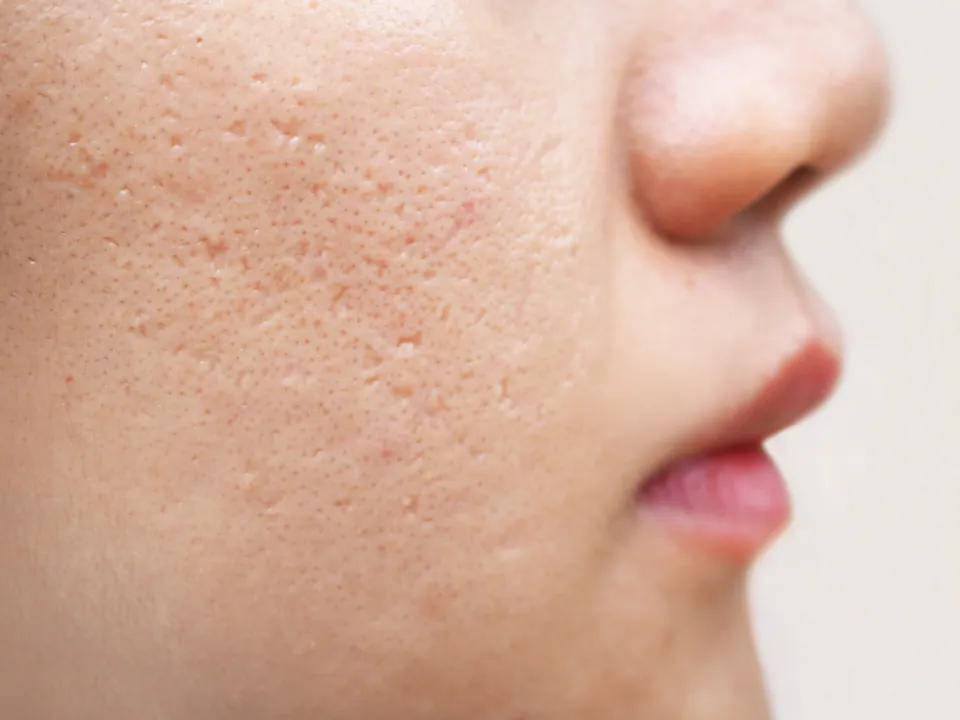








Sound familiar?
Which of these are you seeing?
Broad, shadowy undulations are rolling scars: the skin is tethered down by fibrous bands underneath. Creams cannot reach them; releasing the bands can.
Rolling scarsNarrow, sharp-edged pits are ice-pick scars: columns of lost collagen reaching deep into the skin. They need precision work, scar by scar.
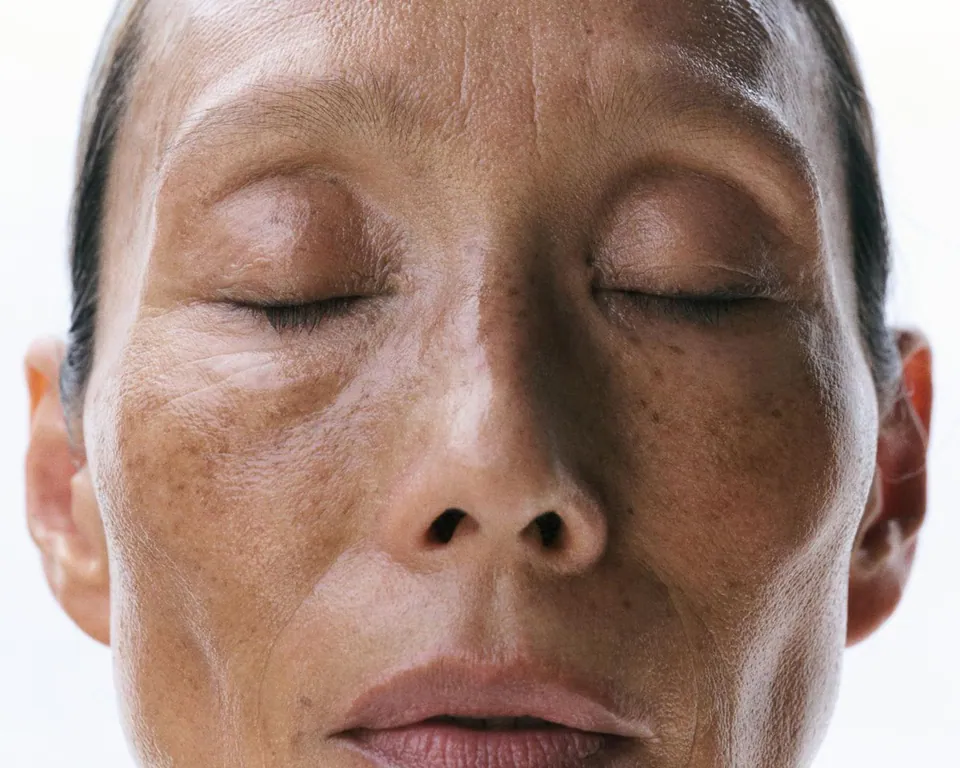
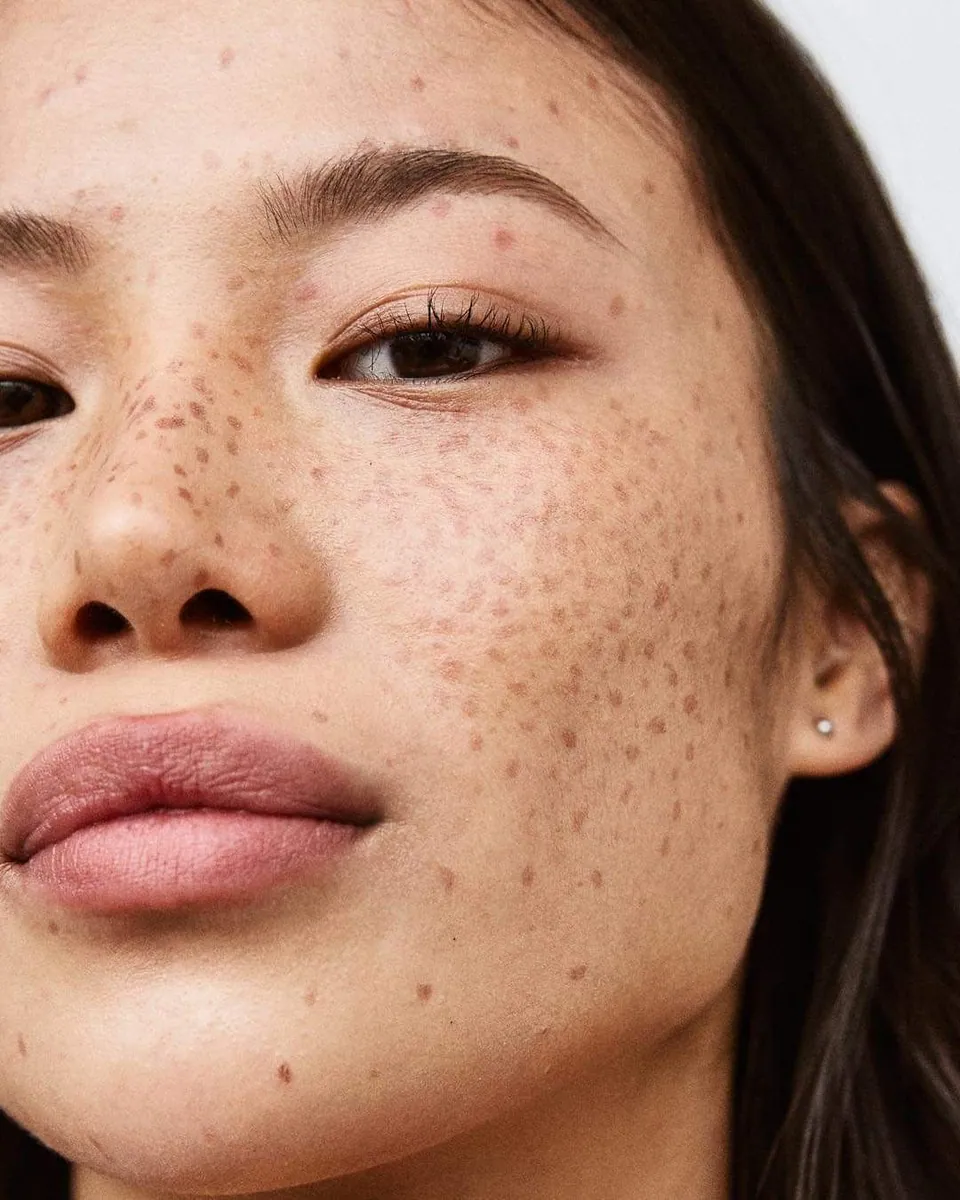
Ice-pick scarsFlat red or brown marks are not scars at all: they are pigment and vessels left by healing. Good news: they usually respond faster than true scarring.
Post-acne marksHypertrophic and keloid scars are collagen overgrowth, more common on the jawline, chest and back, and treated completely differently from pitted scars.
Raised scarsWhy the scar type matters
Same cause. Different scar.
Sharp pits and punched-out depressions where inflammation destroyed collagen, the deepest and most stubborn scar types.
TCA CROSS applied into each pit, with fractional resurfacing to soften edges and level the surrounding skin.
Broad soft dips bound down by fibrous bands beneath the surface, most visible in low, angled light.
Subcision releases the bands, then RF microneedling rebuilds collagen where it was lost.
Overgrown collagen (firm, raised, sometimes itchy) with a strong tendency to recur if treated bluntly.
Targeted injections flatten the scar while vascular laser fades its redness: gradual, controlled, without provoking regrowth.
“There is no single acne scar treatment, because there is no single acne scar. Map each one, match the tool to the type, and the skin can be rebuilt, in every skin tone.”
The treatment logic
Release. Rebuild. Resurface.
Scarring is treated in order. Tethered tissue is released first: nothing rebuilds over a scar that is still bound down. Collagen is then induced beneath each scar, and only then is the surface refined. Rushing to resurfacing first is why so many scar treatments disappoint.
Collagen keeps remodelling for months after each phase. Results continue to build after the course ends.
How we treat
Matched to your scar map.
No single device treats every scar type. Your consultation produces a scar map (each scar typed and located) and your course combines the techniques below accordingly.
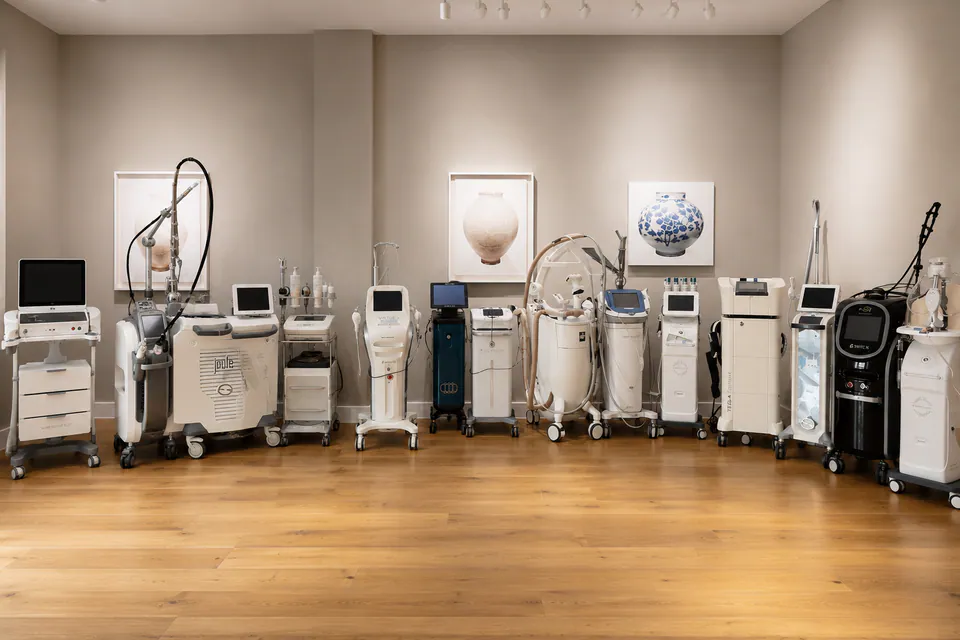
RF Microneedling
Radiofrequency energy delivered precisely beneath each scar remodels the collagen that was lost, tightening skin, refining texture and shrinking enlarged pores, safely across all skin tones.
Fractional Laser
Micro-columns of laser energy soften the sharp edges of boxcar scars and level the surface: smoother texture with controlled downtime, dosed to your skin type.
Subcision & TCA CROSS
Consultant-performed procedures for the scars devices cannot reach: subcision frees the fibrous bands tethering rolling scars; TCA CROSS is applied into individual ice-pick pits to stimulate them closed.
Skinboosters & Mark Removal
Exosome and polynucleotide skinboosters accelerate repair between sessions, while pigment and vascular lasers clear the brown and red marks left where spots healed.
Decided at your diagnosis
Nothing is chosen before your skin is examined and imaged. The combination, and its order, follows from your scar map, never the other way round.
Your consultant
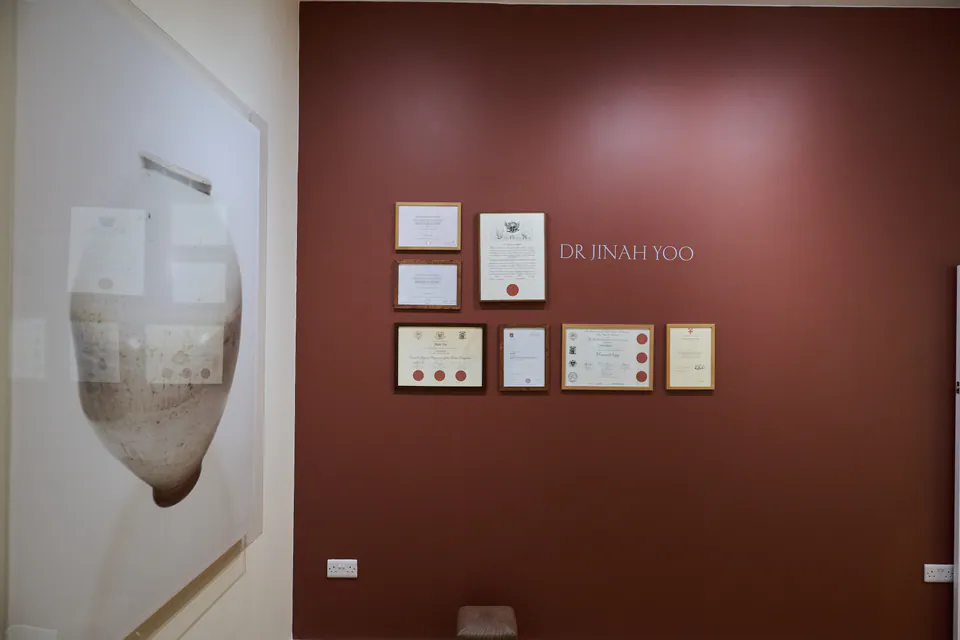
Diagnosed and treated by Dr Jinah Yoo.

Dr Jinah Yoo
MBChB FRCP · Consultant Dermatologist · FounderDr Yoo is a Korean, UK-trained consultant dermatologist and a leading specialist in acne, scarring and pigmentation. Her programmes pair rigorous medical diagnosis with regenerative protocols developed in Korea, brought to London ahead of the market.
Every consultation at the clinic is led by Dr Yoo herself: your skin is examined, imaged and explained by the physician who treats it.
- GMC-registered consultant dermatologist
- Fellow of the Royal College of Physicians (FRCP)
- Specialist in scarring and texture across all skin tones
- Subcision and TCA CROSS performed personally
Your journey, visit by visit
What actually happens.
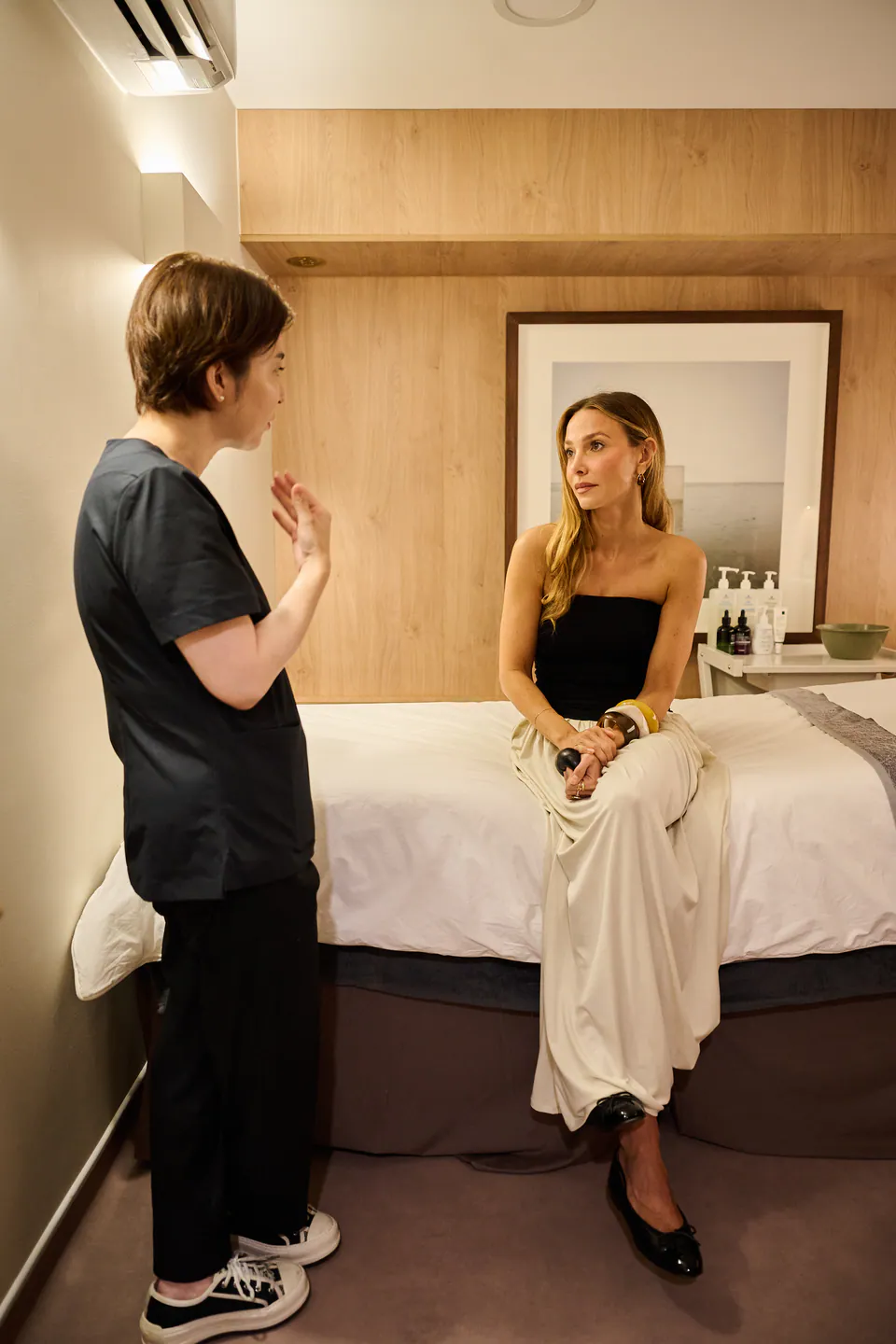
Consultation & scar mapping
Forty-five minutes with Dr Yoo. Your skin is examined under angled light and imaged, every scar typed (ice-pick, boxcar, rolling, raised) and any active acne assessed. You leave with a written plan, realistic outcomes agreed, and a clear order of treatment.
You commit to nothing at this stageTreatment sessions, in order
Sessions of forty-five to sixty minutes under numbing cream, working through your scar map: release procedures where scars are tethered, collagen induction beneath, resurfacing last. Skin is pink for a day or two after microneedling; fractional sessions are planned around your diary.
Downtime agreed before every sessionProgress review against baseline
Your skin is re-imaged and compared side by side with your first visit: scar depth, texture and marks assessed against the map, not memory. The remaining course is adjusted to how your collagen is responding.
You see the imaging yourselfCollagen keeps building
Remodelling continues long after the last session. Most patients see their best skin two to three months after the course ends. Maintenance, if wanted, is planned on your schedule.
Honest expectations
What to expect, and what not to.
Numbing cream for thirty minutes, then a warm, pressing sensation. Forty-five to sixty minutes door to door.
Pink, warm skin for 24–48 hours after microneedling; a few days of dryness after fractional laser. Sun protection is non-negotiable throughout.
Texture improves gradually from the second session; the biggest change arrives months after the course as collagen matures. Scarring rewards patience.
Erased scars. Honest scar treatment means substantial, visible improvement, commonly 50–80%, not perfection. Anyone promising scar removal is selling.
The clinic
45 Albemarle Street, Mayfair.

Suitability
Is this programme for you?
- Pitted, rolling or boxcar scarring, recent or decades old
- Enlarged pores and uneven texture
- Red or brown marks left by old breakouts
- All skin tones, including Fitzpatrick IV–VI
- Active breakouts: usually treated first, within the same clinic
- Keloid tendency: its own careful protocol
- Oral acne medication within the last six months
- Pregnancy, or active infection in the area
Questions
Asked before booking.
No, and any clinic that says otherwise should worry you. What a properly sequenced course achieves is substantial, visible improvement, commonly in the 50–80% range depending on scar type and depth. Realistic outcomes are agreed at your consultation, before you commit to anything.
Active acne is usually settled first: treating scars while new ones are forming is working against yourself. Both programmes run in the same clinic, so the handover from clearing skin to rebuilding it is seamless.
Yes, this is a core specialism. Device choice, energy and preparation are adjusted to your skin type, with RF microneedling favoured where fractional lasers would risk post-inflammatory pigmentation.
It depends on the technique: a day or two of pinkness after RF microneedling, a few days of dryness and flaking after fractional laser, bruising for up to a week after subcision. Every session's downtime is agreed with you before it happens.
Most courses run three to six sessions, spaced three to four weeks apart, but the honest answer comes from your scar map. Depth, type and skin tone all change the plan, which is why it is written at diagnosis, not sold as a package.
Next step
Start with a scar map, not a guess.
Forty-five minutes with Dr Yoo: every scar typed, imaged and explained. You commit to nothing beyond the conversation.