

Age Spots & Freckles
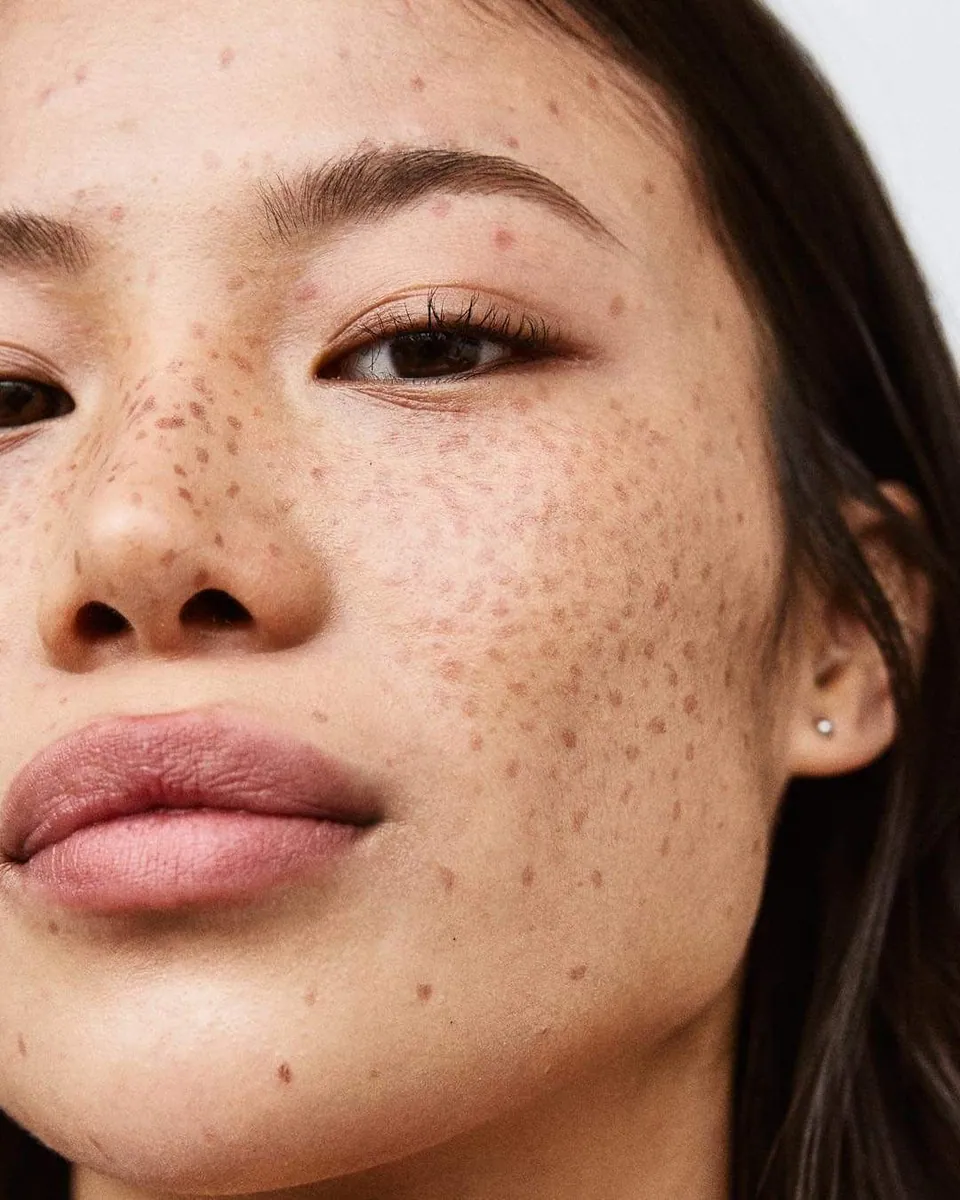
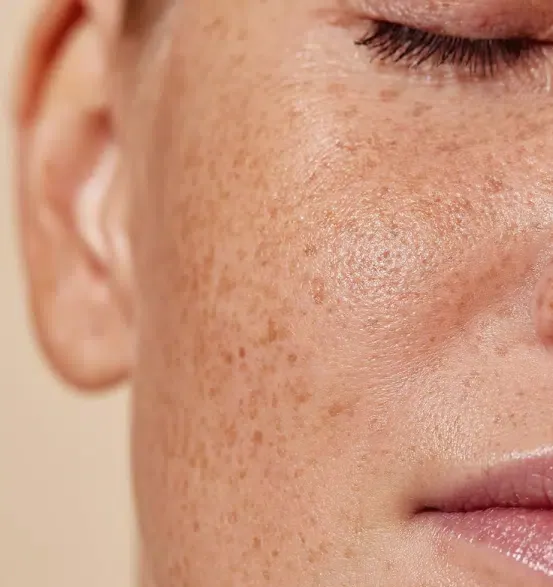
Freckles and age spots are pigmentation concerns caused by overactive melanocyte cells in response to sun exposure. Freckles typically appear as small, light brown spots and are more common in younger individuals, while age spots develop over time and are often larger and darker.








The outlook
Reduced, then maintained.
Freckles and age spots can be successfully reduced with laser treatments, revealing clearer, more even-toned skin. While sun exposure may increase the likelihood of recurrence, regular maintenance with gentle laser treatments can help keep your skin looking radiant and blemish-free for an extended period.
What we treat
Two kinds of sun pigment.
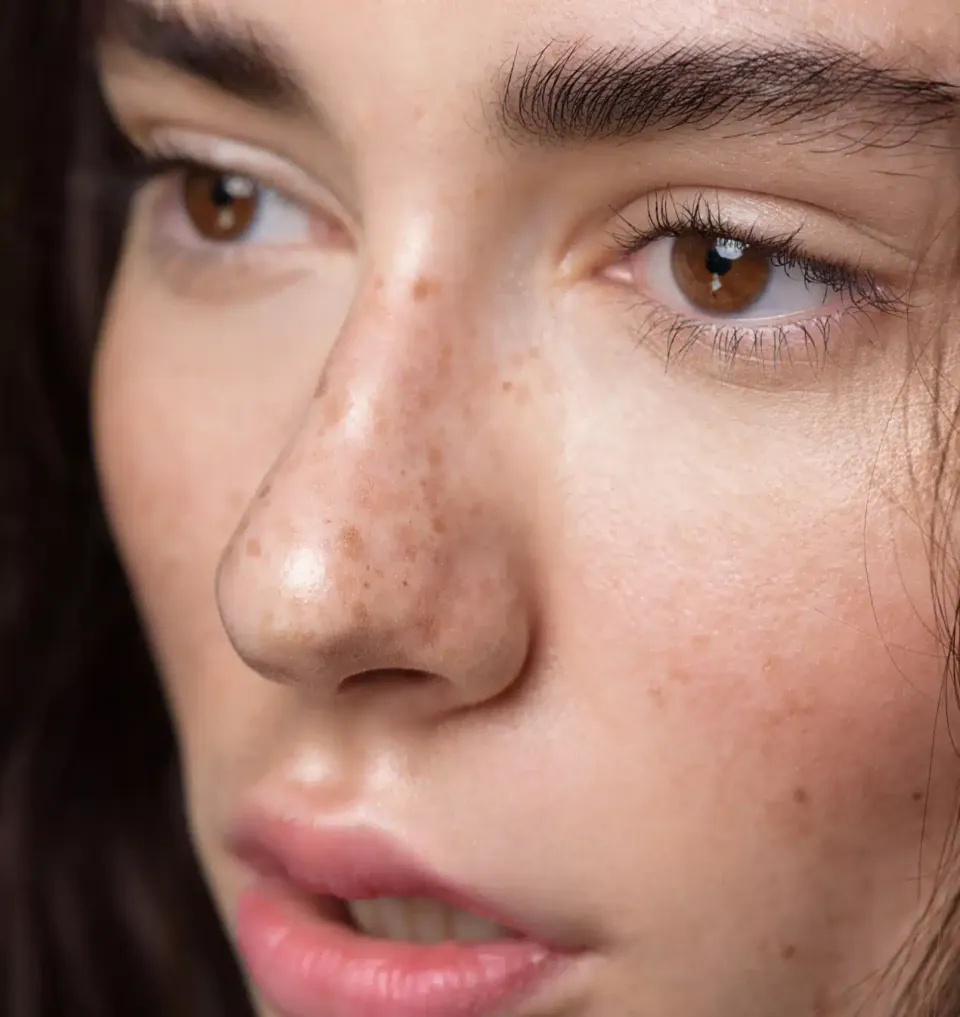
Freckles
Freckles are small, light brown spots that usually appear on areas of the skin that are often exposed to sunlight, i.e. face, shoulders, and arms. They are often hereditary and more common in individuals with fair skin or red hair. Freckles result from an overproduction of melanin by melanocyte cells in response to UV exposure, causing the pigment to concentrate in small areas. These spots often appear darker during the summer months and fade slightly in the winter. Thus, sun protection is crucial to managing their appearance.
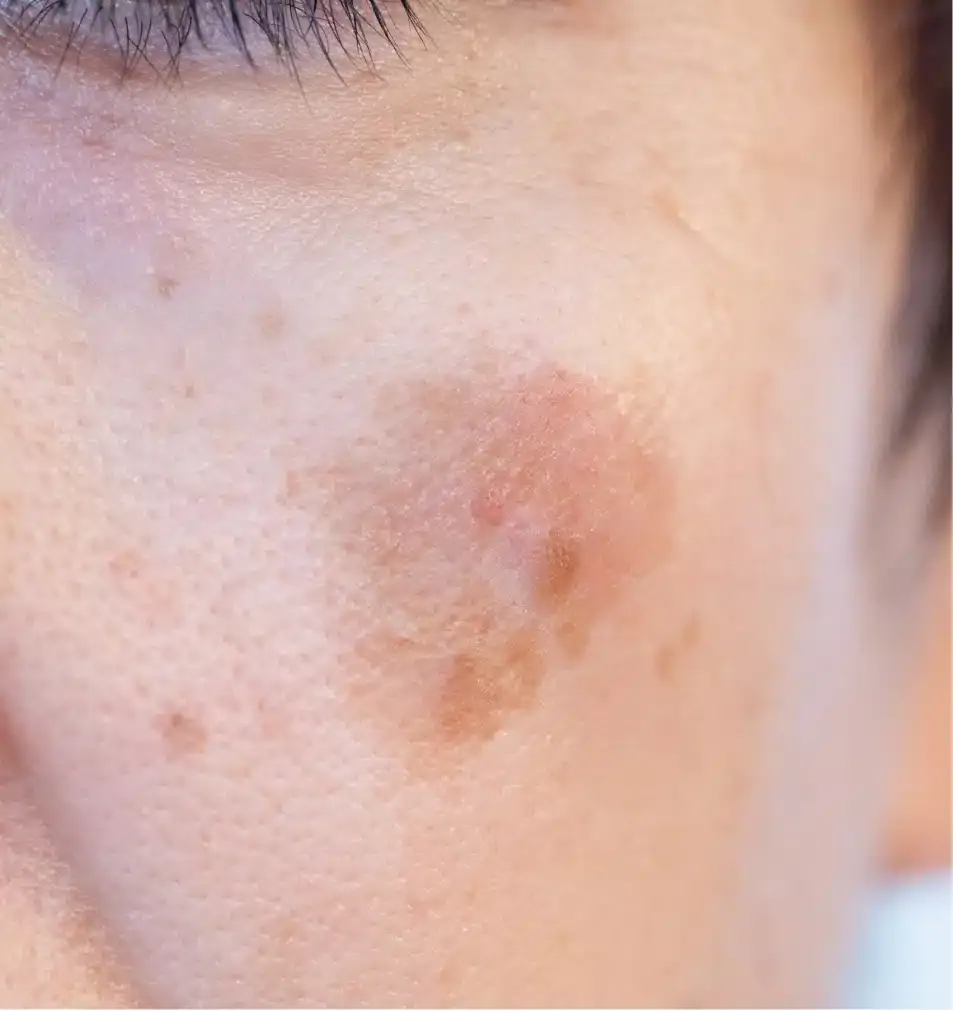
Age spots
Age spots, also referred to as solar lentigines or liver spots, are larger, darker patches of pigmentation that develop gradually due to cumulative sun damage over time. Unlike freckles, age spots are more common in older individuals and tend to remain visible year-round. They typically occur in areas frequently exposed to sunlight, such as the face, chest, hands, and shoulders. While harmless, age spots can make the skin look uneven and are often addressed through professional treatments to restore a balanced complexion.
How we treat it
Matched to pigment depth.
At Dr Jinah Yoo Dermatology, we utilise advanced technologies and personalised care plans to effectively treat freckles and age spots. Our treatments target pigmentation at different depths, ensuring safe and precise results tailored to your skin type.
Laser treatments
Targeting the pigment, not the skin around it.
Our laser treatments are designed in a way that they target pigment-producing cells without causing any damage to the surrounding skin. These therapies help break down melanin, allowing the body to naturally remove pigmentation over time. Each laser treatment is customised to suit your skin's needs, offering visible results with minimal downtime.
These premium Q-switched Nd:YAG lasers precisely target melanin clusters, effectively breaking them down while promoting collagen production for smoother, more even-toned skin. The Hollywood Spectra is safe for all skin types, providing significant improvements with little discomfort.
Combining Alexandrite and Nd:YAG wavelengths, Clarity II addresses pigmentation at multiple skin depths. The Alexandrite wavelength effectively treats superficial freckles, while the Nd:YAG wavelength penetrates deeper in the skin to reach the age spots. This dual approach guarantees that you get clearer, brighter skin with minimal downtime.
BBL therapy uses controlled pulses of light to target pigment-producing cells. It effectively reduces pigmentation, enhances skin elasticity, and restores brightness, making it ideal for both freckles and age spots.
A versatile dual-wavelength laser, Excel V+ treats pigmentation concerns at both superficial and deeper levels. It is safe for all skin tones and delivers clear, even-toned results with minimal recovery time.
Medical treatments
Prescribed after assessment.
Evidence-based medical treatments such as bespoke compounding cream containing hydroquinone and retinoid can be prescribed following assessment of your general health and skin.
Brightening & skin rejuvenation
Care for the whole complexion.
Using iontophoresis and sonophoresis, vitamin-rich treatments deliver potent skin-brightening agents, such as vitamins A, C, and E, deep into the skin. These therapies enhance overall skin health and help reduce pigmentation.
Microinjections of hydrating/brightening nutrients improve skin elasticity and barrier strength, helping to prevent future pigmentation issues.
Our toning protocol uses low-energy laser treatments specifically designed to deal with complex pigmentation issues, including melasma. This toning process has been developed in Korea over a decade ago and not only helps with deep pigmentation but also improves overall skin texture, brightness, and firmness with minimal downtime, creating Korean glass skin.
Who it's for
Recommended for age spots and freckles.
- Have freckles, age spots, or other forms of hyperpigmentation, such as post-inflammatory or sun-induced pigmentation
- Are seeking effective treatments to reduce the appearance of dark spots on sun-exposed areas like the face, neck, chest, and hands
- Have noticed uneven skin tone caused by sun exposure or ageing and wish to achieve a more balanced complexion
- Prefer non-invasive treatments with minimal downtime to improve pigmentation and overall skin clarity
- Require tailored solutions to address pigmentation concerns across different skin layers
- Sun exposure may increase the likelihood of recurrence
- Maintenance treatments and sun protection help prevent recurrence
- Avoid sun exposure after treatment while the skin heals
- Prescription creams follow an assessment of your general health and skin
- Tell your dermatologist about conditions such as skin cancer at your consultation
Your consultant
Led by Dr Jinah Yoo.

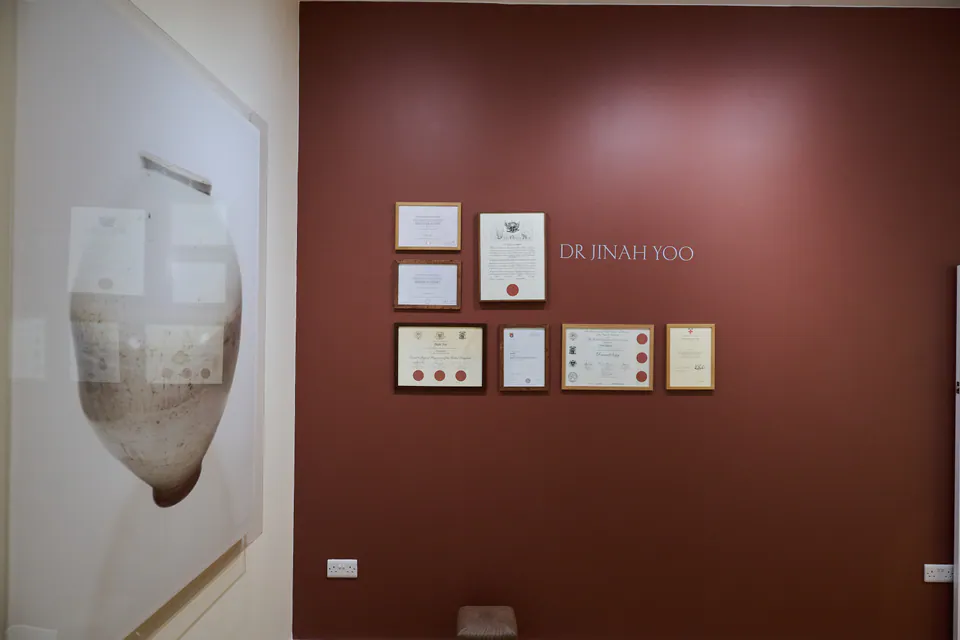
Dr Jinah Yoo
MBChB FRCP · Consultant Dermatologist · FounderDr Yoo has a special interest in cosmetic dermatology, hyperpigmentary disorders and skin lymphoma. She spent the final year of her MSc researching facial hyperpigmentation, which equipped her with scientific knowledge on aetiology and an evidence-based approach to management.
She has extensive experience in hyperpigmentation from her clinical work as well as observerships in the world's leading pigment centres in the USA, South Korea and Singapore, and established the first NHS-based hyperpigmentation service at Queen Elizabeth Hospital in 2018.
- GMC-registered consultant dermatologist
- Fellow of the Royal College of Physicians (FRCP)
- Founded the first NHS hyperpigmentation service, 2018
- Observerships in USA, Singapore and South Korea
The clinic
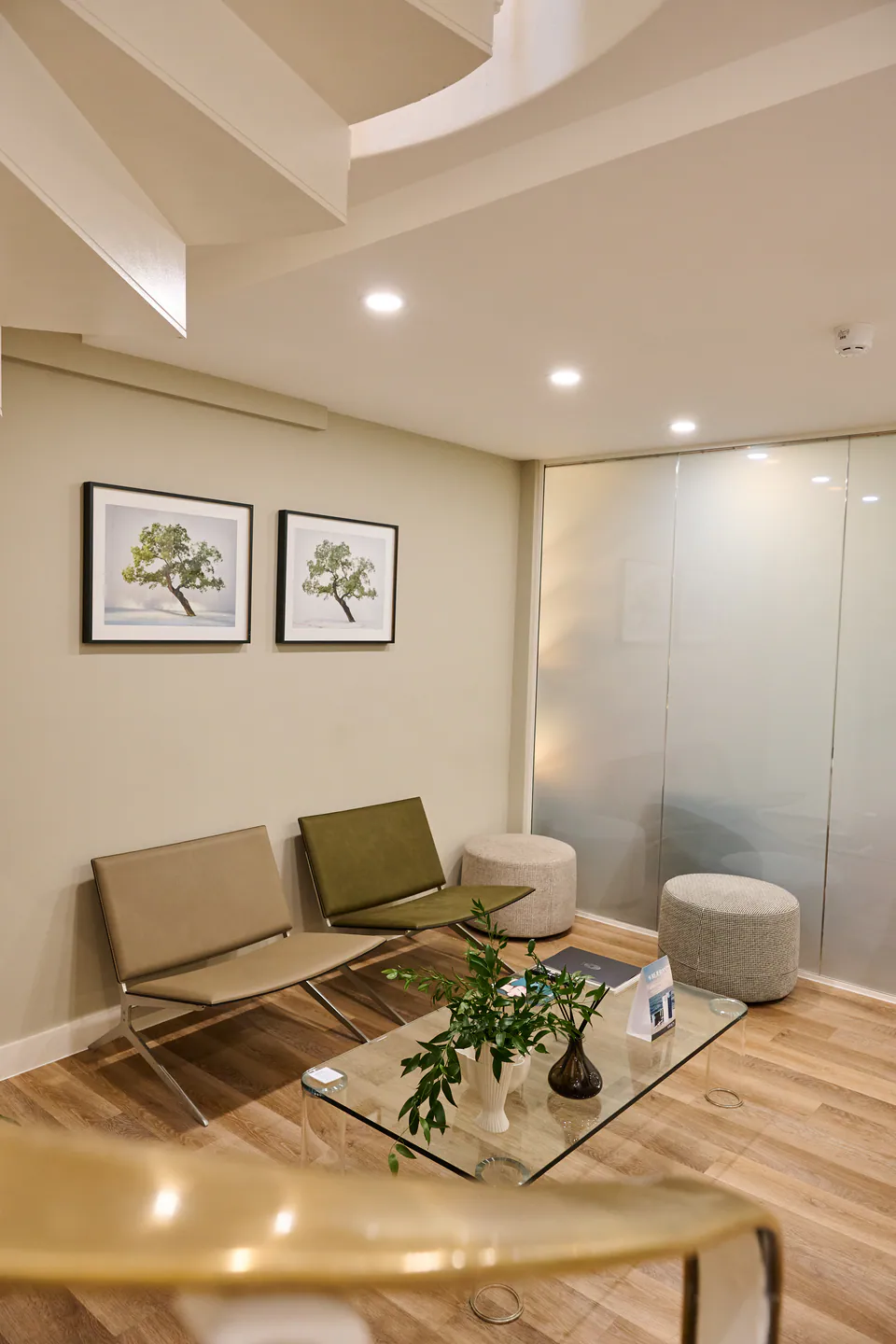
45 Albemarle Street, Mayfair.

Questions
Asked before booking.
Freckles and age spots can often be removed or significantly reduced with advanced laser therapy. Laser treatments can target pigment-producing cells, breaking down the melanin responsible for dark spots. Maintenance treatments and sun protection are essential to prevent recurrence.
After laser freckle removal, avoiding sun exposure is crucial to prevent new pigmentation from forming and to allow the skin to heal effectively. UV rays can stimulate pigment-producing cells, potentially undoing the benefits of the treatment.
Laser therapy uses targeted light energy to break down excess melanin in the skin while leaving surrounding skin unharmed. This process encourages the natural removal of pigmentation and improves skin clarity over time.
Many patients see noticeable improvements after a single treatment, with optimal results developing over several sessions. Your dermatologist will recommend a tailored plan based on your skin's needs and the extent of the pigmentation.
While some over-the-counter products and home remedies can help exfoliate dead skin cells and improve skin texture, they are not effective for deeply pigmented spots like freckles and age spots. Professional treatments target pigmentation at its source and provide significantly better and longer-lasting results. However, incorporating a skincare routine with sunscreen, gentle exfoliation, and hydration can support the skin's health and help maintain treatment results.
Yes, laser treatments are safe if a qualified dermatologist performs them with advanced technology. Laser treatments are non-invasive and designed to treat pigmentation without causing damage to the surrounding skin. However, people with conditions like skin cancer need to inform the dermatologist during the initial consultation to get a treatment plan suitable to their needs.
Next step
A plan for your pigmentation.
Your dermatologist will recommend a tailored plan based on your skin's needs and the extent of the pigmentation.