
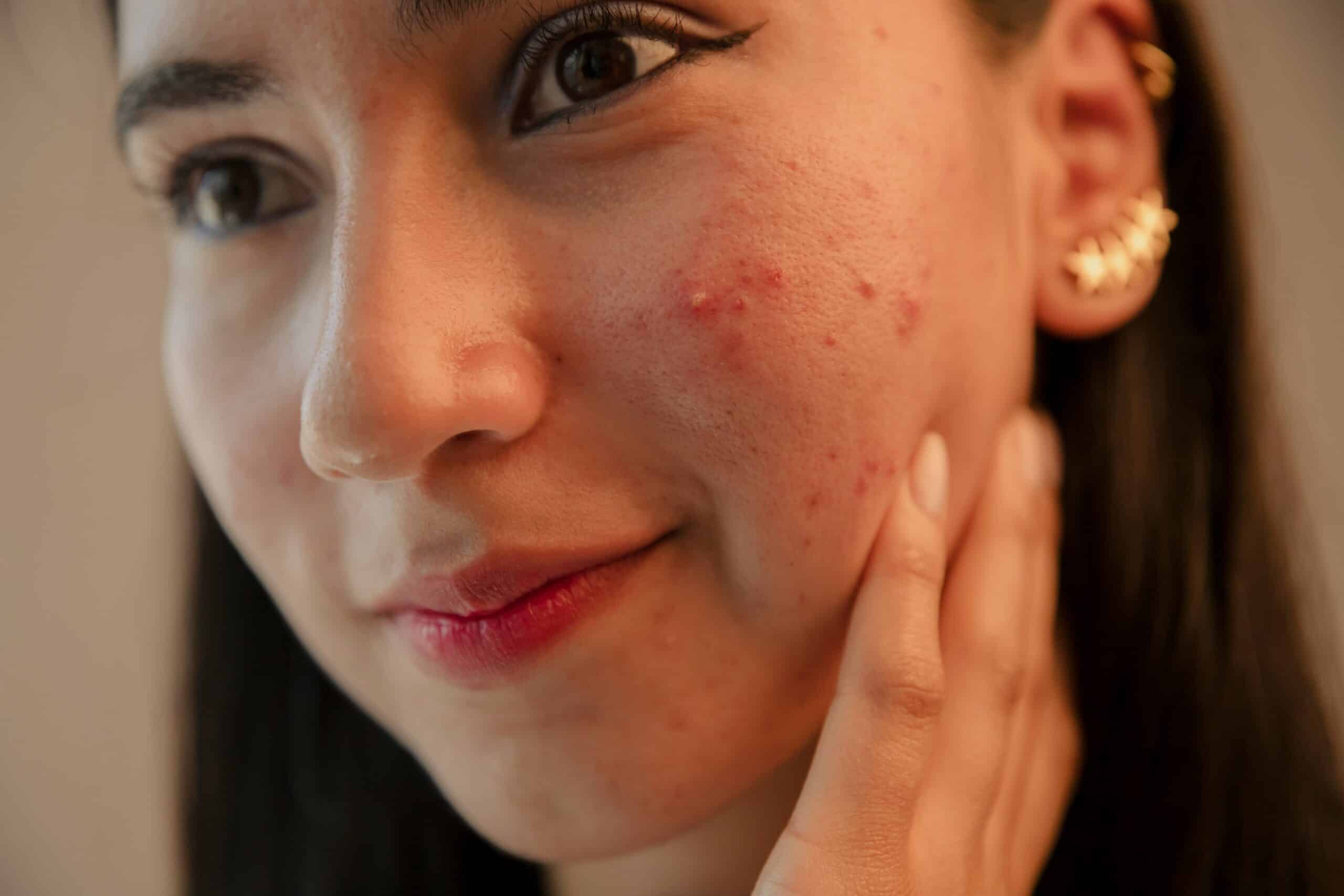
Acne scars can be just as distressing as the acne that caused them, often lingering long after breakouts have settled. The encouraging news is that acne scarring is treatable, and modern dermatology offers several effective options. The key is matching the treatment to the type of scar, because the wrong approach achieves very little.
At our Mayfair clinic, consultant dermatologist Dr Jinah Yoo assesses acne scarring carefully before treating it, so that the plan suits both the scars and your skin. This guide explains the different types of acne scars and the treatments that genuinely help.
What Causes Acne Scars?
Acne scars form when a breakout damages the deeper layers of the skin. Inflammation from a spot disrupts the collagen in the skin, and as the area heals it may produce too little or too much collagen. This is what leaves a lasting change in texture.
Deeper, more inflamed acne is more likely to scar, and so is picking or squeezing spots, which increases damage to the skin. Treating acne early and well is the best way to reduce the risk of scarring in the first place.
Types of Acne Scars
Acne scars are not all the same, and this is the single most important factor in treatment. The main types include:
- Ice pick scars – small, deep, narrow scars that look like tiny punctures.
- Boxcar scars – broader depressions with defined edges.
- Rolling scars – shallow, wave-like dips that give the skin an uneven surface.
- Raised scars – thickened scars that sit above the skin, more common on the body and in some skin types.
Identifying which types you have, and you may have more than one, determines which treatments will work.
Scars or Marks? An Important Difference
Not every mark left by acne is a true scar. Many people are actually concerned about flat red or brown marks rather than changes in texture.
- Red marks are post-inflammatory erythema, where the skin stays pink or red after a spot heals.
- Brown marks are post-inflammatory hyperpigmentation, which is more common in skin of colour.
These flat marks often fade or respond to different treatments than textural scars, which is why an accurate assessment matters before starting any treatment.
How Acne Scars Are Treated
Treatment is selected according to the type and depth of scarring, and a combination approach is often most effective:
- RF microneedling – radiofrequency microneedling stimulates collagen in the deeper skin, useful for rolling and boxcar scars.
- Laser resurfacing – fractional laser treatment to resurface and remodel scarred skin.
- Subcision – releasing the tethered base of certain rolling scars so the skin can lift.
- Chemical peels – helpful for surface texture and accompanying marks.
For deep or complex scarring, these are often combined within a tailored programme rather than relying on a single treatment.
Treating Acne Scars in Skin of Colour
Skin of colour needs particular care when treating acne scars. Some lasers and aggressive treatments can trigger post-inflammatory hyperpigmentation, leaving new marks even as the texture improves.
This is why device selection and treatment strength must be chosen with skin tone in mind, and built up gradually. An experienced practitioner will often start conservatively and adjust, which gives safer, more reliable results in deeper skin tones.
Why Treating Active Acne Comes First
If you still have active breakouts, it usually makes sense to bring the acne under control before focusing on scars. Treating scars while acne is still active is less effective, and ongoing breakouts can create new scarring.
A considered plan often addresses the acne first, then moves on to scar treatment once the skin is settled. This sequencing gives the best long-term outcome.
How to Reduce the Risk of Scarring
While not all acne scarring is avoidable, some steps genuinely lower the risk:
- Treat acne early – addressing breakouts before they become deep or inflamed reduces the chance of lasting damage.
- Avoid picking and squeezing – this is one of the most common causes of preventable scarring.
- Protect your skin from the sun – sun exposure can deepen marks and slow healing.
- Seek advice for persistent acne – ongoing or severe acne is best managed by a dermatologist before it has a chance to scar.
Prevention is always preferable to treatment, which is why early, proper acne care matters so much.
What to Expect
Treatment begins with a consultation and assessment, where your scar types are identified and a plan agreed. Acne scar treatment almost always involves a course of sessions rather than a single appointment, because collagen remodelling takes time.
Improvement is gradual and builds over months. It is realistic to expect a meaningful reduction in the appearance of scarring rather than completely smooth skin. Your dermatologist will be honest about what is achievable for your particular scars.
The Dr Jinah Yoo Approach
Acne scarring rewards accurate diagnosis and the right combination of treatments. As a GMC-registered consultant dermatologist, Dr Jinah Yoo treats it methodically:
- Scar types are identified before treatment, and marks are distinguished from true scars.
- Treatments are combined and matched to the specific scarring.
- Skin of colour is treated with particular care to avoid triggering pigmentation.
- Realistic goals are agreed from the outset, with honest expectations.
You can read more about Dr Jinah Yoo and her work in medical and aesthetic dermatology.
Frequently Asked Questions
Can acne scars be removed completely?
Acne scars can usually be improved significantly, but it is more realistic to expect a noticeable reduction in their appearance than complete removal. The degree of improvement depends on the type and depth of scarring and the treatments used, which is why an honest assessment matters first.
What is the best treatment for acne scars?
There is no single best treatment, because different scar types respond to different methods. Rolling and boxcar scars often suit microneedling or laser, while other scars need different approaches. The most effective plan is usually a combination, tailored to your scars at consultation.
How many sessions will I need for acne scars?
Acne scar treatment is almost always a course rather than a one-off. The number of sessions depends on the type and severity of scarring and how your skin responds, and is agreed during your consultation. Because results build gradually, patience is part of the process.
Can acne scars be treated safely on dark skin?
Yes, but it requires care. Deeper skin tones are more prone to post-inflammatory pigmentation, so the device and settings must be chosen appropriately and built up gradually. Treatment by an experienced practitioner who understands skin of colour is important for safe results.
Should I treat active acne before my scars?
Usually, yes. Bringing active acne under control first makes scar treatment more effective and helps prevent new scars forming. A good plan often treats the acne, then addresses the scarring once the skin has settled.
Arranging a Consultation
If acne scarring is affecting your confidence and you would like a clear, realistic plan, the best starting point is an assessment. You are welcome to book a consultation with Dr Jinah Yoo at our Mayfair clinic.