
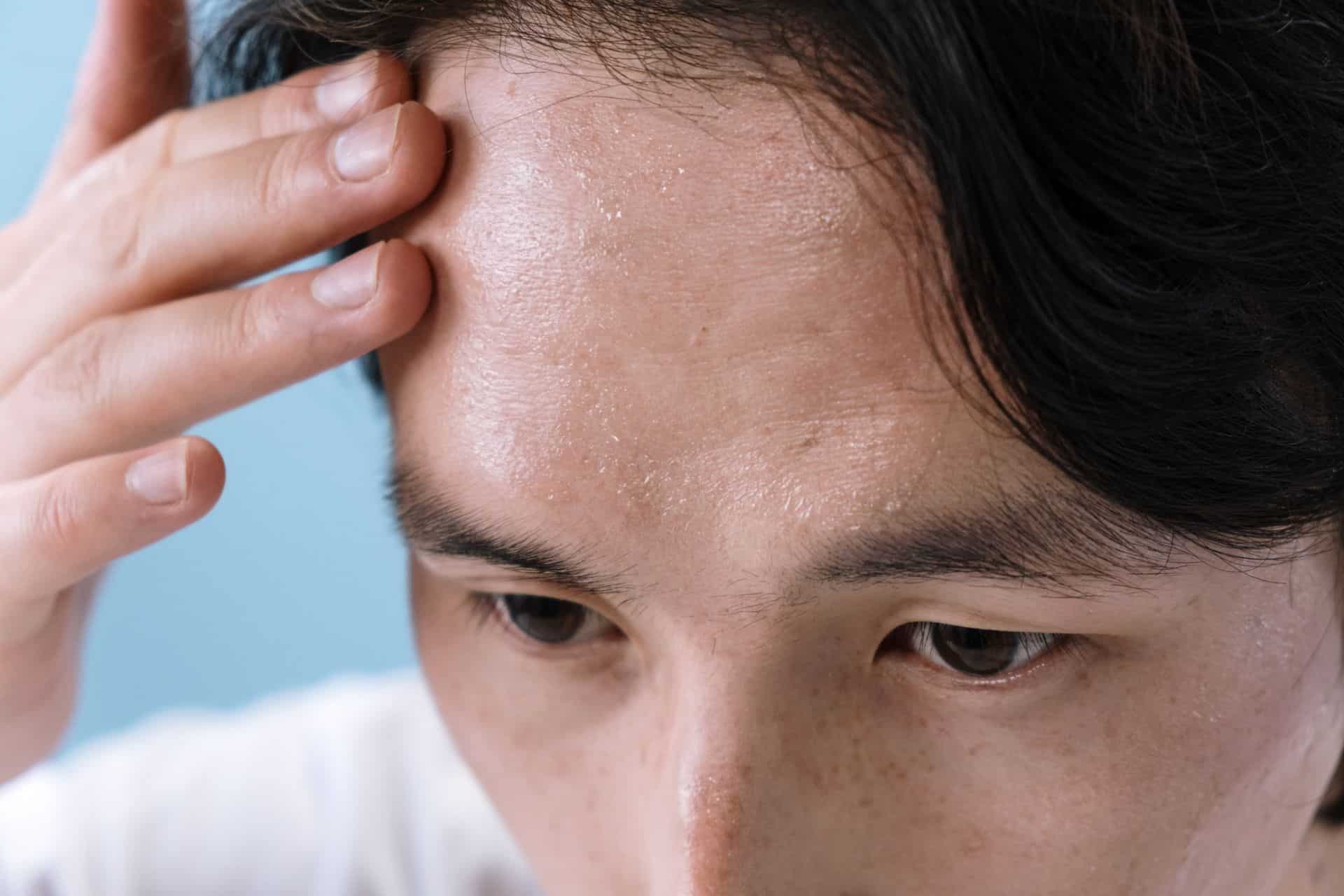
Sweating is normal and necessary, but for some people it goes far beyond what the body needs to stay cool. Excessive sweating, known medically as hyperhidrosis, can soak through clothing, interrupt daily life and affect confidence at work and socially. It is a recognised medical condition, and it can be managed.
At our Mayfair clinic, consultant dermatologist Dr Jinah Yoo assesses excessive sweating properly before recommending any treatment, because the right approach depends on the type and cause. This guide explains what hyperhidrosis is, why it happens, and the options available.
What Is Hyperhidrosis?
Hyperhidrosis is the medical term for sweating more than is needed to regulate body temperature. People with the condition can sweat heavily even when they are cool, at rest or not anxious, which is what sets it apart from ordinary sweating.
It commonly affects specific areas, most often the underarms, palms, soles of the feet and the face or scalp. For many people it is more than a minor inconvenience, interfering with work, relationships and everyday tasks such as handling paper or using a phone.
Areas Most Commonly Affected
Hyperhidrosis often concentrates in particular areas rather than affecting the whole body. The most common include:
- Underarms – one of the most frequently affected areas, often soaking through clothing.
- Hands – sweaty palms that can interfere with writing, handling objects and shaking hands.
- Feet – persistent moisture that can affect footwear and comfort.
- Face and scalp – visible sweating that many people find particularly distressing socially.
Some people experience excessive sweating in more than one of these areas at the same time.
Primary and Secondary Hyperhidrosis
Hyperhidrosis is generally divided into two types, and telling them apart matters:
- Primary hyperhidrosis – excessive sweating with no underlying medical cause, usually affecting specific areas such as the hands, underarms or feet. It often begins in childhood or adolescence.
- Secondary hyperhidrosis – sweating caused by another factor, such as an underlying health condition, hormonal change or certain medications. It tends to be more generalised across the body.
This distinction is important, because secondary hyperhidrosis points to an underlying cause that needs to be considered, rather than simply treating the sweating itself.
What Causes Excessive Sweating?
In primary hyperhidrosis, the sweat glands are essentially overactive. The nerves that signal them to produce sweat become overactive too, prompting sweating that is out of proportion to the body’s needs. There is often a family tendency to the condition.
Secondary hyperhidrosis has an identifiable trigger, which can include hormonal changes such as the menopause, thyroid problems, certain medications and other medical conditions. Because the cause differs, the management does too, which is why assessment comes first.
Why Assessment Matters
Excessive sweating is treatable, but a careful assessment should always come before treatment. A consultant dermatologist will take a history, ask about the pattern and areas affected, and consider whether the sweating is primary or whether an underlying cause needs investigating.
This medical approach matters. Treating the sweating without considering the cause risks missing something that should be addressed, particularly when sweating is generalised, recent or accompanied by other symptoms.
Treatment Options for Hyperhidrosis
There is a range of options for managing excessive sweating, and the right choice depends on the severity, the area affected and your individual circumstances. Broadly, these include:
- Topical treatments – including stronger antiperspirants and prescribed topical preparations that reduce sweating in the treated area.
- Iontophoresis – a treatment that uses a mild electrical current, often used for the hands and feet.
- Prescription treatments – for some people, prescription options, including injectable treatments, may be discussed after assessment. These are medical treatments that a doctor will advise on based on your suitability.
- Referral where appropriate – for severe or complex cases, onward referral for further options may be considered.
The aim is always to match the treatment to the person, starting with the most appropriate and proportionate option for your situation.
What to Expect
Your first appointment is a consultation and assessment. Dr Jinah Yoo will discuss how the sweating affects you, examine the areas involved and determine whether further investigation is needed. From there, a suitable plan is agreed and explained clearly.
Because hyperhidrosis varies so much between individuals, there is no single treatment that suits everyone. Your dermatologist will talk you through the realistic options for your type of sweating and what each involves.
When to See a Doctor
It is worth seeking advice if excessive sweating interferes with your daily life, if it has come on suddenly or recently, or if it is accompanied by other symptoms such as night sweats, weight change or a raised temperature. These features can point to a secondary cause that should be assessed.
Seeking help is also worthwhile simply because hyperhidrosis is treatable. Many people live with it for years before realising that effective management is available.
The Dr Jinah Yoo Approach
Excessive sweating sits within medical dermatology, and it deserves a considered, medical approach. As a GMC-registered consultant dermatologist, Dr Jinah Yoo treats it accordingly:
- The type of hyperhidrosis is assessed before any treatment is recommended.
- Possible underlying causes are considered, particularly with generalised or recent sweating.
- Management is matched to the area affected and the impact on your life.
- Treatment options are explained honestly, including what each can and cannot achieve.
You can read more about Dr Jinah Yoo and her work in medical dermatology.
Frequently Asked Questions
Is hyperhidrosis a medical condition?
Yes. Hyperhidrosis is a recognised medical condition in which the body sweats more than is needed to control temperature. It is not simply a matter of running hot, and it can have a real impact on daily life, which is why it is worth assessing and treating.
What causes excessive sweating?
Primary hyperhidrosis is caused by overactive sweat glands and the nerves that control them, often with a family tendency. Secondary hyperhidrosis is caused by another factor, such as a hormonal change, medication or an underlying health condition, which is why proper assessment matters.
When should I see a doctor about sweating?
It is sensible to seek advice if sweating disrupts your daily life, has started suddenly, affects your whole body, or comes with other symptoms such as night sweats or weight change. A consultation allows the cause to be considered and suitable management discussed.
Can excessive sweating be treated?
Yes, in most cases excessive sweating can be managed effectively. The right approach depends on the type and severity, and a range of options exists. A consultation is the starting point for identifying which is most appropriate for you.
Does the NHS treat hyperhidrosis?
The NHS may treat hyperhidrosis in some circumstances, often starting with initial measures through a GP. Many people choose to see a dermatologist privately for a thorough assessment and a tailored discussion of the available options.
Arranging a Consultation
If excessive sweating is affecting your confidence or daily life, a proper assessment is the best place to start. You are welcome to book a consultation with Dr Jinah Yoo at our Mayfair clinic.