
Post Inflammatory Hyperpigmentation
Post-inflammatory hyperpigmentation (PIH) is another common hyperpigmentary condition caused by inflammation on the skin such as acne, eczema, trauma or cosmetic procedures (peels, microneedling and lasers).
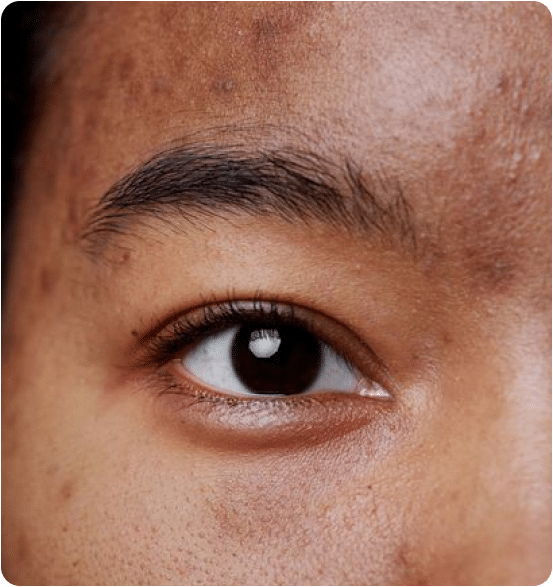








Sometimes it may fade with time over months to years but there are treatments to speed up this process such as laser toning, prescription cream or iontosonophoresis combined with skin lightening ingredients to deliver the lightening actives to deeper layer of the skin where the pigmentation tends to be found.

Fast, pain free results
What is Post-Inflammatory Hyperpigmentation?
Post-inflammatory hyperpigmentation (PIH) refers to the development of dark marks or patches on the skin following inflammation or injury. PIH can present as epidermal hyperpigmentation, affecting the upper layers of the skin, or dermal hyperpigmentation, where excess melanin deposits deeper in the skin.
PIH is particularly common in darker skin types due to higher melanin activity, but it can affect individuals across all skin types. Factors such as inadequate sun protection, improper treatment, or persistent skin irritation can worsen the condition, leading to uneven skin tone and prolonged pigmentation.
How We Treat Post-Inflammatory Hyperpigmentation at Dr Jinah Yoo Dermatology
At Dr Jinah Yoo Dermatology, we utilise advanced technologies and personalised care plans to effectively treat freckles and age spots. Our treatments target pigmentation at different depths, ensuring safe and precise results tailored to your skin type.
Laser Treatments
We utilise state-of-the-art laser devices to treat PIH, targeting excess melanin precisely and enhancing collagen production to improve the skin’s texture and tone. Each device is selected based on the patient’s skin type and the depth of pigmentation.
Hollywood Spectra & Revlite SI
These premium Q-switched Nd:YAG lasers are highly effective for targeting pigment-producing cells and breaking down melanin clusters. This treatment is safe for darker skin types, reduces pigmentation, and enhances the skin’s natural brightness over time.
Clarity II
With dual-wavelength capabilities, Clarity II works by effectively targeting superficial and deeper pigmentation. Its laser-precise energy treats stubborn pigmentation without causing any damage to the skin around it, offering noticeable improvements with minimal downtime.
Sylfirm X
Combining radiofrequency (RF) and microneedling, Sylfirm X addresses complex pigmentation issues, including dermal PIH. This advanced treatment stimulates collagen and elastin production, supporting the skin’s natural healing processes and improving overall skin resilience.
Excel V+
Using dual wavelengths, Excel V+ targets pigmentation across multiple layers, making it ideal for treating both surface-level dark marks and deeper pigmentation. It also addresses redness and inflammation, promoting a more even skin tone.
Medical Treatments
Evidence-based medical treatments such as bespoke compounding cream containing hydroquinone and retinoid can be prescribed following assessment of your general health and skin.
Brightening & Skin Rejuvenation
Our brightening programme infuses the skin with essential vitamins, such as Vitamin C and tranexamic acid, to reduce melanin production and lighten pigmentation. Techniques like iontophoresis and sonophoresis deliver active ingredients deep into the skin, ensuring maximum efficacy.
Skinboosters
Skinboosters provide deep hydration and nourishment through microinjections of skin-supporting nutrients. These treatments not only effective in improving skin texture but also help prevent the recurrence of pigmentation by strengthening the skin barrier.
Dr Jinah Yoo Glass Skin Laser Toning
Our toning protocol uses low-energy laser treatments specifically designed to deal with complex pigmentation issues, including melasma. This toning process has been developed in Korea over a decade ago and not only helps with deep pigmentation but also improves overall skin texture, brightness, and firmness with minimal downtime, creating Korean glass skin.
Results: Before & Afters


Rated 5 star by hundred’s of people across the UK, USA and Korea...
The staff was welcoming, and the therapist was knowledgeable and attentive. The clinic is clean and modern, and I am very pleased with my treatment results. Highly recommend!

I had a great experience here at Dr Jinah Yoo! I had the ‘brightening’ treatment after having too much sunburn on my summer vacation, and it really helped. The process was very enjoyable thanks to the skillful and gentle practitioner. I will come back in the future if I have any needs for skin improvements!

A perfect experience! I had the Dermal Tightening Programme which is for lift up. The therapist is very professional and the environment is also very helpful for relaxing. Nice location as well.

Absolutely love the place. Had some moles removed from my face by Dr Yoo. A week later there is not the slightest indication that there was ever even anything there. Results are incredible.
Recommended For
The post-inflammatory hyperpigmentation treatments we offer are most suitable for those who:
Have dark marks or uneven skin tone usually caused by acne, eczema, scars, skin injury, or cosmetic procedures.
Struggle with persistent facial post-inflammatory hyperpigmentation that does not fade naturally over time.
Have darker skin tones and require specialised care to address pigmentation safely.
Seek professional treatments to complement topical solutions
Aim for an overall skin tone and texture improvement, as well as a reduction in the appearance of dark spots and uneven pigmentation.
Are looking for non-invasive solutions with minimal downtime to treat pigmentation disorders effectively.
Require a personalised approach to address pigmentation at different skin depths, including both epidermal and dermal PIH.


Based in Mayfair, London
Pioneered by Dr. Jinah Yoo
Dr Jinah Yoo is a Korean UK-trained consultant dermatologist who is the founder and medical director of Dr Jinah Yoo Dermatology.
Dr Yoo has completed intensive dermatology training and developed special interest in cosmetic dermatology, hyperpigmentary disorders and skin lymphoma. She has completed two Master’s degrees in addition to her medical training and has been awarded Distinction in MSc (Skin Medical and Procedural Dermatology) at the University of Manchester. Spending the final year of her MSc doing her projects on facial hyperpigmentation equipped her with scientific knowledge on aetiology and evidence-based approach in the management of hyperpigmentation.
She attended numerous observerships at the World’s leading pigment/cosmetic dermatology clinics in USA, Singapore and South Korea and established the first NHS-based hyperpigmentation service at Queen Elizabeth Hospital in 2018.
She has been elected to Royal College of Physician fellowship (FRCP) for her ongoing contribution to the advances in dermatology specialty. She is actively involved in education and research and her works are regularly presented at national/international conferences and published in peer-review journals.
FREQUENTLY ASKED QUESTIONS
PIH FAQ’s
What causes post-inflammatory hyperpigmentation (PIH)?
Post-inflammatory hyperpigmentation (PIH) is caused by an overproduction of melanin in response to skin injury or inflammation, such as acne, eczema, or cosmetic procedures. This excess melanin can deposit in different layers of the skin, resulting in dark spots or uneven pigmentation. Factors such as sun exposure, lack of proper care, and inadequate protection can worsen the condition, making it harder to fade naturally.
Can postinflammatory hyperpigmentation fade on its own?
PIH can fade over time, but the process may take several months to years depending on the severity and depth of the pigmentation. However, persistent facial postinflammatory hyperpigmentation often requires professional treatments to accelerate the fading process and prevent further skin discolouration.
How can I treat post-inflammatory hyperpigmentation at home?
At home, treating post-inflammatory hyperpigmentation involves using products with active ingredients like azelaic acid or glycolic acid to reduce melanin production and remove dead skin cells. Incorporating topical retinoids can also help improve uneven skin tone. It is important to use broad spectrum sunscreen regularly, to protect your natural skin tone and prevent pigmentation from worsening.
While these steps can help, chemical peels and professional treatments deliver faster, more effective results by targeting deeper pigmentation and promoting long-term skin health.
Will professional treatments restore my natural skin tone?
Yes, our professional treatments are designed to help patients regain their natural skin tone by targeting excess pigmentation and supporting skin health. Advanced laser devices, brightening therapies, and personalised care work together to minimise discolouration and create a more even complexion.