
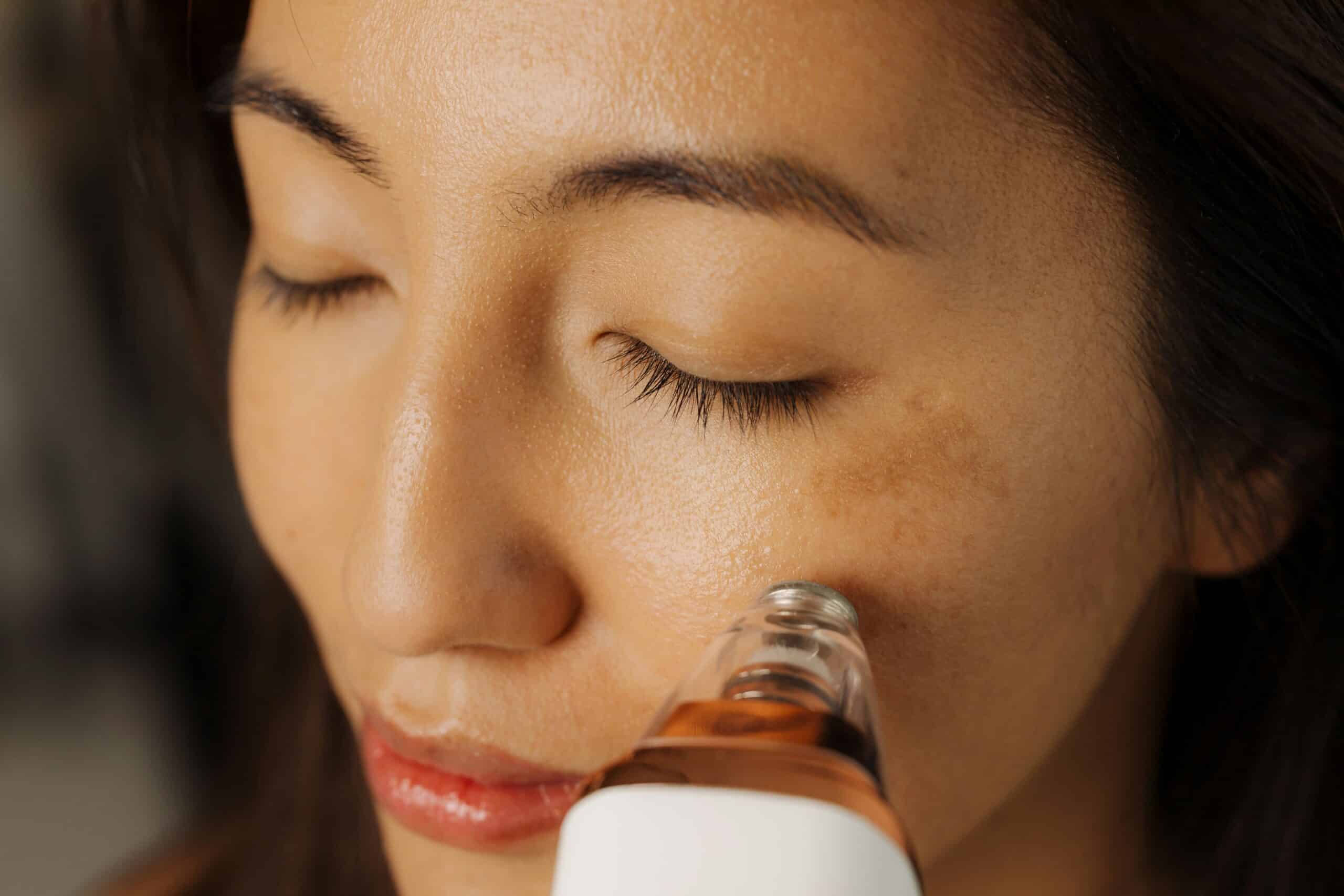
Microneedling has become one of the most widely requested skin treatments in London, and for good reason. It is a versatile, controlled way to improve skin texture, soften scarring and support firmer, smoother skin over time. The challenge for most people is making sense of the options, because microneedling now ranges from simple handheld devices through to advanced radiofrequency systems.
At our Mayfair clinic, consultant dermatologist Dr Jinah Yoo takes a considered approach to microneedling, matching the right device and depth to your skin rather than offering a single fixed treatment. This guide explains how microneedling works, what it can realistically treat, and how the newer radiofrequency systems differ from traditional microneedling.
What Is Microneedling?
Microneedling is a treatment that uses very fine needles to create tiny, controlled micro-channels in the skin. These small points of stimulation prompt the skin to begin its natural repair process. The treatment is also known as collagen induction therapy, which describes its main purpose well.
It is a minimally invasive procedure carried out in clinic, usually with a numbing cream applied beforehand for comfort. Depending on the device and the concern being treated, the needle depth is adjusted so the treatment is tailored rather than uniform.
How Microneedling Works
The principle behind microneedling is that carefully controlled micro-injury encourages renewal. When the skin detects these micro-channels, it responds by producing new collagen and elastin, the structural proteins that keep skin firm and elastic.
Over the following weeks, this gradual remodelling can improve the smoothness, tone and resilience of the skin. Because the results rely on your own collagen production, they develop progressively rather than immediately, and a course of sessions is usually recommended for a meaningful change.
The micro-channels also allow topical serums to be absorbed more effectively during treatment, which is why microneedling is sometimes combined with targeted skin boosters or other active ingredients.
Microneedling and RF Microneedling: What Is the Difference?
Traditional microneedling works at the surface and upper layers of the skin using needles alone. It is well suited to texture, early signs of ageing and overall skin quality.
Radiofrequency (RF) microneedling adds heat energy. The needles deliver radiofrequency energy into the deeper layers of the skin as they create the micro-channels, which stimulates collagen more intensively and adds a tightening effect. This makes RF microneedling particularly useful for scarring, enlarged pores and mild laxity.
At the clinic, advanced systems such as Potenza RF microneedling, Sylfirm X and Agnes RF allow treatment to be adjusted precisely. A gentler approach, such as a nano-microneedling facial, is available for surface refinement and radiance with minimal downtime.
An important point for many patients is safety in skin of colour. RF microneedling delivers its energy below the surface rather than relying on light absorbed by pigment, which can make it a more suitable option for darker skin tones when performed by an experienced practitioner. Suitability is always confirmed at consultation.
What Microneedling Treats
Microneedling is valued for its versatility. Depending on the device and protocol, it may help with:
- Acne scarring – softening the appearance of indented and uneven scars.
- Skin texture – smoothing rough or uneven skin.
- Enlarged pores – refining the look of visible pores.
- Fine lines – supporting firmer, more resilient skin.
- Mild laxity – particularly with radiofrequency systems that add tightening.
- Overall radiance – improving general skin quality and glow.
For deeper or more established acne scarring, RF microneedling is often combined within a wider treatment plan rather than used alone.
Who It Suits
Microneedling suits many people who want to improve skin quality without surgery or significant downtime. It can be appropriate across a range of ages and skin types, which is part of its appeal.
It may not be suitable if you have an active skin infection, certain inflammatory skin conditions in the treatment area, or are prone to keloid scarring. Microneedling is generally avoided during pregnancy. A consultation allows your suitability to be assessed properly and the approach adjusted to your skin.
What to Expect
Your treatment begins with a consultation and skin assessment, where the device, depth and number of sessions are agreed based on your concerns and skin type. A numbing cream is usually applied before treatment for comfort.
During the session, the device is moved methodically across the treatment area. Most patients find it well tolerated. Afterwards, the skin is commonly pink and feels warm, similar to mild sunburn, which typically settles over one to a few days depending on the intensity of the treatment.
A course of sessions, spaced a few weeks apart, is usually advised for concerns such as scarring or texture, because collagen remodelling takes time. Your dermatologist will give you tailored aftercare, including sun protection, which is important while the skin recovers.
Risks and Considerations
Microneedling is a well-established procedure, but it is still a clinical treatment with some considerations:
- Redness and swelling – common in the first day or two and usually short-lived.
- Sensitivity – the skin can feel tight or dry as it recovers.
- Pigment changes – uncommon, but a reason proper assessment matters in skin of colour.
- Infection – low risk when carried out in a clinical setting with good aftercare.
Results vary between individuals, and microneedling is best understood as a gradual improvement rather than a single dramatic change.
The Dr Jinah Yoo Approach
Microneedling is only as good as the assessment and technique behind it. As a GMC-registered consultant dermatologist, Dr Jinah Yoo approaches it as a medical treatment, not a fixed menu item:
- Your skin is assessed first, so the device and depth match your concern and skin type.
- Radiofrequency systems are selected where added collagen stimulation or tightening is needed.
- Skin of colour is treated with particular care to reduce the risk of pigment change.
- Microneedling is combined with other treatments only where it genuinely adds value.
You can read more about Dr Jinah Yoo and her background in medical and aesthetic dermatology.
Frequently Asked Questions
How much does microneedling cost in London?
Cost depends on the device used, the area treated and the number of sessions recommended. Radiofrequency microneedling is generally more involved than traditional microneedling. A clear plan and price are provided after your consultation, once your skin has been assessed.
Is microneedling worth the money?
For the right concern and skin type, many patients find microneedling a worthwhile way to improve texture, scarring and overall skin quality. The key is appropriate assessment, the correct device and a realistic plan, which is why a consultation matters before booking a course.
How long after polynucleotides can I have microneedling?
Timing depends on the treatments involved and how your skin responds, so it should be planned by your clinician. If you have had salmon polynucleotide treatment or other injectables, let your dermatologist know so your sessions can be sequenced safely.
Is four microneedling sessions enough?
Many treatment plans involve a course of around three to six sessions spaced a few weeks apart, with four being common for texture and early scarring. The right number depends on your concern, the device used and how your skin responds, and is confirmed during your consultation.
Does microneedling hurt?
A numbing cream is applied beforehand, so most patients find the treatment comfortable and well tolerated. You may feel some sensation, particularly with radiofrequency microneedling at deeper settings, but discomfort is usually mild.
Arranging a Consultation
If you are considering microneedling in London and would like to know which approach suits your skin, the best starting point is a proper assessment. You are welcome to book a consultation with Dr Jinah Yoo at our Mayfair clinic.