
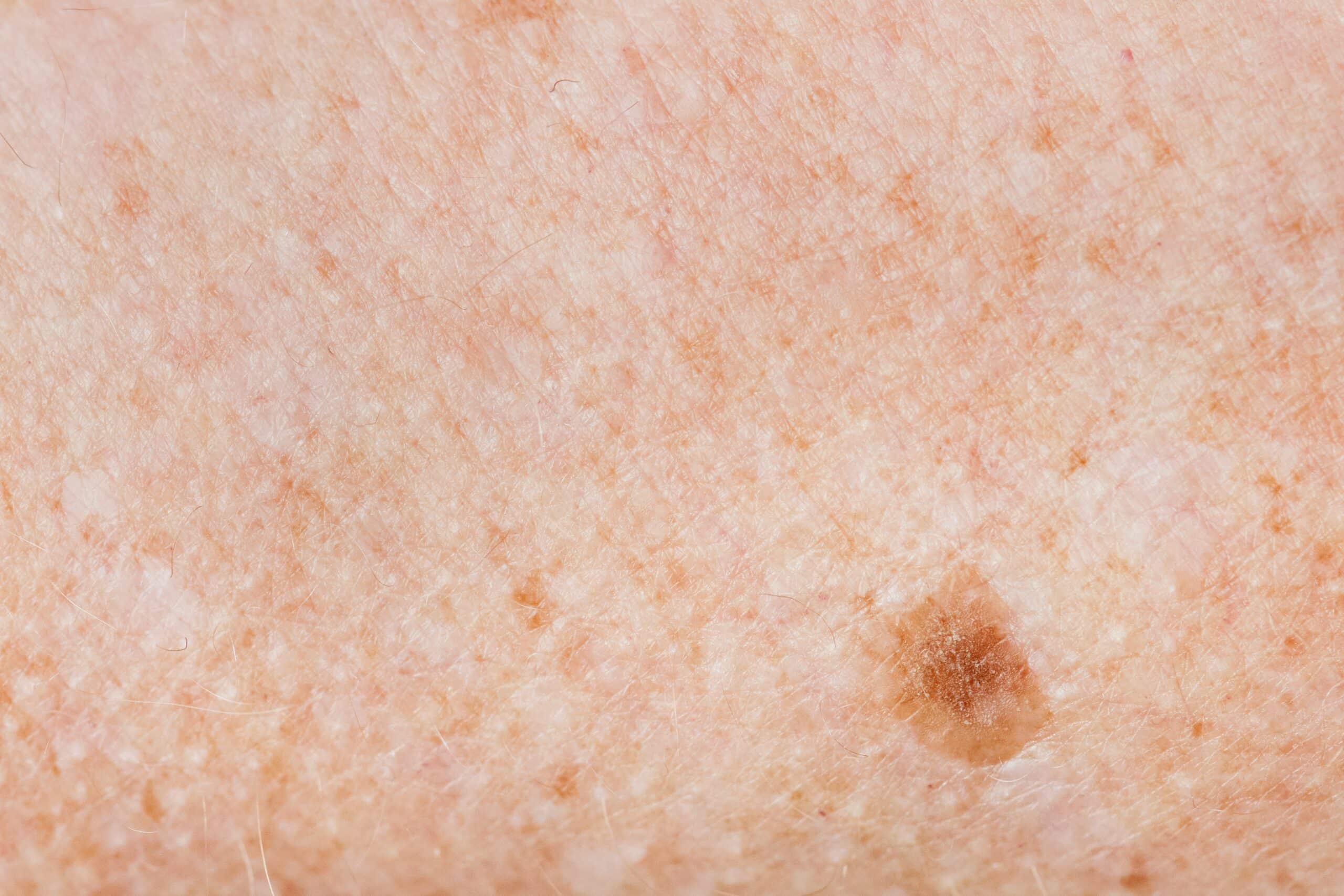
Pigmentation is one of the most common skin concerns, and also one of the most misunderstood. Dark patches, sun spots and uneven tone can have very different causes, which means they respond to very different treatments. Using the wrong approach can sometimes make pigmentation worse rather than better.
At our Mayfair clinic, consultant dermatologist Dr Jinah Yoo assesses pigmentation properly before treating it, drawing on both medical dermatology and Korean skincare techniques. This is particularly important for skin of colour, where pigmentation behaves differently and needs careful handling. This guide explains the main types of pigmentation, what causes them, and which treatments genuinely help.
What Is Skin Pigmentation?
Skin colour comes from melanin, a pigment produced by cells called melanocytes. When these cells produce too much melanin, or distribute it unevenly, areas of the skin become darker than the surrounding tone. This is what we describe broadly as pigmentation or hyperpigmentation.
Pigmentation can be superficial, sitting in the upper layers of the skin, or deeper within it. Where the pigment sits matters, because it influences how treatable it is and which method is most appropriate.
Common Types of Pigmentation
Not all pigmentation is the same. The main types we see include:
- Sun spots and age spots – flat brown marks caused by years of sun exposure, often on the face, hands and chest.
- Freckles – small areas of pigment that are usually genetic and tend to darken with sun.
- Melasma – larger, often symmetrical patches linked to hormones and sun, common on the cheeks, forehead and upper lip.
- Post-inflammatory hyperpigmentation – marks left behind after acne, injury or inflammation, especially common in skin of colour.
Identifying the correct type is the first and most important step, because melasma and post-inflammatory hyperpigmentation are managed quite differently from simple sun damage.
What Causes Pigmentation?
Several factors drive excess melanin production. The most common include:
- Sun exposure – ultraviolet light is the single biggest trigger for most types of pigmentation.
- Hormones – pregnancy, the contraceptive pill and hormonal changes can prompt melasma.
- Inflammation – acne, eczema or skin trauma can leave lasting marks, particularly in darker skin tones.
- Ageing – cumulative sun exposure over time leads to age spots.
- Genetics – some people are simply more prone to pigment changes.
Because the causes differ, lasting improvement usually depends on addressing the trigger as well as treating the visible pigment.
How Pigmentation Is Treated
There is no single treatment that suits every type of pigmentation. The right plan depends on the type, its depth, your skin tone and what is driving it. Options used in clinic include:
- Topical treatments – prescribed creams and active ingredients that reduce pigment production and support skin renewal.
- Chemical peels – controlled exfoliation to improve surface pigmentation and tone.
- Laser and light treatments – devices such as Hollywood Spectra laser toning and Sciton BBL broadband light, selected according to the pigment and skin type.
- Skincare and sun protection – daily SPF and a considered routine to protect results and prevent recurrence.
In many cases a combination approach works best, layered gradually rather than treated aggressively in one session.
Pigmentation in Skin of Colour
Skin of colour requires particular care. Darker skin tones are more prone to post-inflammatory hyperpigmentation, which means an overly aggressive treatment can trigger more pigment rather than less.
This is why diagnosis and device selection matter so much. Gentler, well-controlled approaches, often informed by Korean dermatology, tend to give safer, more reliable results in pigmented skin. Dr Jinah Yoo has particular experience treating pigmentation across a wide range of skin types, and suitability is always confirmed before any laser or energy-based treatment.
What to Expect
Treatment begins with a consultation and skin assessment, where the type of pigmentation is identified and a plan agreed. Pigmentation rarely resolves in a single session, so a course of treatments combined with the right skincare is usually recommended.
Improvement is gradual. You can expect tone to even out over a series of weeks, with maintenance and consistent sun protection playing a major role in keeping results. Your dermatologist will explain realistic timelines for your specific concern.
Risks and Realistic Expectations
Pigmentation treatment is generally well tolerated, but a few points are worth understanding:
- Recurrence – pigmentation can return, particularly melasma and with ongoing sun exposure.
- Temporary darkening – some treatments cause the pigment to darken briefly before it clears.
- Post-inflammatory changes – a reason careful assessment matters in skin of colour.
No responsible clinic can promise permanent removal, because new pigmentation can always form. Realistic, well-maintained improvement is the goal rather than a one-off cure.
The Dr Jinah Yoo Approach
Pigmentation is an area where assessment makes the difference between progress and setback. As a GMC-registered consultant dermatologist, Dr Jinah Yoo treats it methodically:
- The type and depth of pigmentation are diagnosed before any treatment.
- The method is matched to your skin tone, with extra care in skin of colour.
- Treatment is layered gradually to reduce the risk of rebound pigmentation.
- Sun protection and maintenance are built into every plan.
You can read more about Dr Jinah Yoo and her approach to medical and aesthetic dermatology.
Frequently Asked Questions
Which treatment is best for pigmentation?
There is no single best treatment, because the most suitable option depends on the type of pigmentation, how deep it is and your skin tone. Sun damage, melasma and post-inflammatory marks each respond differently, which is why assessment comes before any treatment is recommended.
Does the NHS treat hyperpigmentation?
Pigmentation is usually considered a cosmetic concern, so it is not generally treated on the NHS unless there is an underlying medical cause. Most people choose a private dermatology clinic for assessment and treatment of pigmentation.
How do Koreans get rid of hyperpigmentation?
Korean dermatology tends to favour early intervention, gentle and consistent treatment, and a strong emphasis on daily sun protection. Rather than aggressive one-off procedures, the focus is on layered laser toning, brightening treatments and skincare that work gradually, which suits pigment-prone skin well.
Can pigmentation be removed permanently in the UK?
Pigmentation can be significantly reduced, but it cannot be guaranteed to stay away permanently, because new pigment can form with sun exposure or hormonal changes. The most reliable results come from treating the pigment and then maintaining the skin with sun protection and a suitable routine.
How long does it take to see results from pigmentation treatment?
This varies with the type of pigmentation and the treatment used. Superficial sun damage often responds within a few weeks, while deeper pigmentation and melasma usually take longer and need a course of sessions. Because pigmentation improves gradually, consistency with your plan and daily sun protection has a significant effect on how quickly and how well results show.
Arranging a Consultation
If uneven tone or dark patches are a concern and you are considering pigmentation treatment in London, the best starting point is an accurate diagnosis. You are welcome to book a consultation with Dr Jinah Yoo at our Mayfair clinic.