Warts are common, harmless in most cases, and very treatable. They can also be stubborn and, because they are caused by a virus, they sometimes return or spread if not managed properly. That is why having them assessed and removed by a dermatologist makes a real difference to the result.
At our Mayfair clinic, consultant dermatologist Dr Jinah Yoo treats warts with accurate diagnosis first, followed by the most suitable removal method for the type and location. This guide explains what warts are, how they are removed, and what to expect afterwards.
What Are Warts?
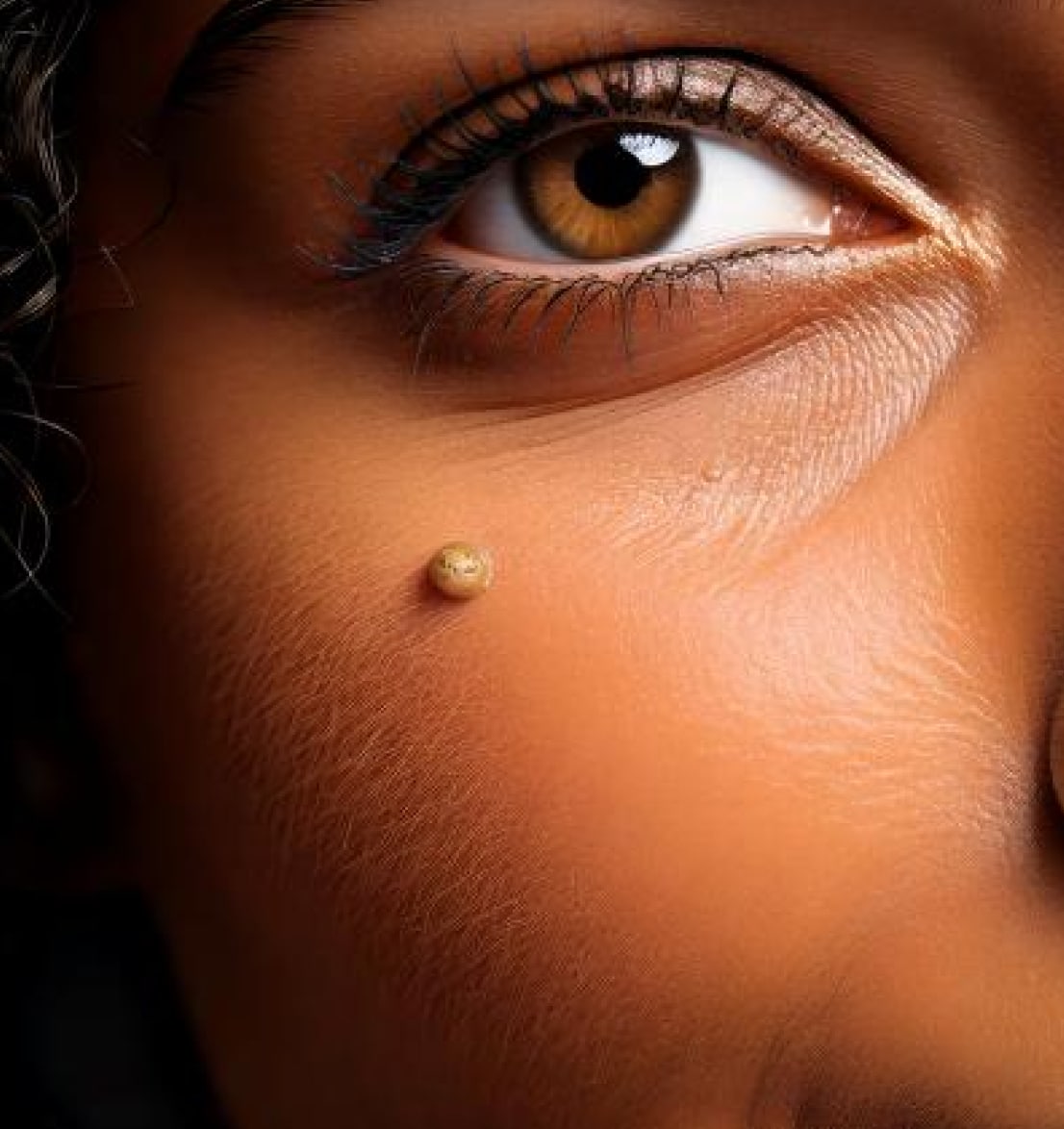
A wart is a small, rough growth that develops when a virus infects the top layer of the skin. Warts can appear almost anywhere, but they are most common on the hands, feet, face and around the nails. They vary in appearance depending on where they are and which strain of virus is involved.
Common types include ordinary warts on the hands, verrucas on the soles of the feet, flat warts that appear in clusters, and filiform warts that are common on the face. While most warts are harmless, they can be uncomfortable, persistent and easily spread.
What Causes Warts?
Warts are caused by the human papillomavirus, usually shortened to HPV. The virus enters through small breaks in the skin and causes the surface to grow more quickly than usual, forming the wart.
Because warts are viral, they can be passed from person to person and can spread to other areas of your own skin through touch, shaving or scratching. This contagious nature is one of the reasons careful treatment matters, both to clear the wart and to limit spread.
Warts and Verrucas: What Is the Difference?
A verruca is simply a wart that appears on the sole of the foot. It is caused by the same family of viruses, but because it sits on a weight-bearing area, it often grows inward and can feel like standing on a small stone.
Verrucas can be more uncomfortable than warts elsewhere and are sometimes more stubborn to clear, partly because of their location and thicker overlying skin. The treatment principles are the same, but the approach is adjusted for the foot, and a course of treatment is more commonly needed.
Should a Wart Be Checked First?
Yes. Most warts are easy to recognise, but not every rough growth is a wart, and a proper examination confirms the diagnosis. This is particularly important for persistent lesions, anything that is changing, or growths in sensitive areas.
A consultant dermatologist can distinguish a wart from other skin lesions and recommend the right treatment. As with mole removal and skin tag removal, accurate diagnosis is as important as the removal itself.
How Warts Are Removed
Several methods are used to remove warts, chosen according to the type, size and location:
- Cryotherapy – freezing the wart so that it blisters and falls away, sometimes over more than one session.
- Cautery or electrosurgery – using controlled heat to remove the wart, often with curettage to clear the base.
- Curettage – carefully scraping away the wart under local anaesthetic.
- Laser removal – targeted treatment that can suit persistent warts or delicate areas such as the face.
Because warts are viral, more than one treatment is sometimes needed to clear them fully, particularly for stubborn or long-standing warts.
Why Professional Removal Is Worth It
Over-the-counter treatments and home remedies can work for some simple warts, but they are slow, often incomplete, and can irritate the surrounding skin. They also do not confirm the diagnosis.
Professional removal is quicker and more controlled, reduces the risk of spreading the virus to other areas, and allows persistent or awkwardly placed warts to be treated properly. For facial and other sensitive areas in particular, expert treatment helps protect the surrounding skin.
What to Expect
Your appointment begins with a consultation, where the wart is examined and the most suitable method agreed. Depending on the treatment, a local anaesthetic may be used so the area is comfortable.
The procedure itself is usually short. Afterwards you will be given aftercare advice to support healing and reduce the risk of spread, such as keeping the area clean and avoiding picking. It also helps to avoid sharing towels or footwear and to cover the area where appropriate, since this lowers the chance of passing the virus on or seeding new warts elsewhere. Some warts, especially verrucas and long-standing ones, may need a short course of treatments to clear fully.
Risks and Considerations
Wart treatment is generally straightforward, but a few points are worth understanding:
- Recurrence – because warts are viral, they can sometimes return or appear elsewhere.
- More than one session – stubborn warts may need repeat treatment.
- Minor marking – the treated area usually heals well, though some temporary marking is possible.
These are discussed at your consultation so you have realistic expectations.
The Dr Jinah Yoo Approach
Warts respond best to accurate diagnosis and the right technique. As a GMC-registered consultant dermatologist, Dr Jinah Yoo treats them with care:
- Every lesion is examined and confirmed before treatment.
- The method is chosen to suit the type, size and location of the wart.
- Facial and sensitive areas are treated with particular attention to the surrounding skin.
- You receive clear aftercare to support healing and limit spread.
You can read more about Dr Jinah Yoo and her work in medical dermatology.
Frequently Asked Questions
How much does wart removal cost in the UK?
Cost depends on the number of warts, their type and the method used, as well as whether more than one session is needed. A clear price is provided after your consultation, once the warts have been assessed.
Can the NHS get rid of warts?
Many warts clear on their own over time, so the NHS does not always treat them, particularly when they are considered cosmetic. People often choose a private clinic for faster treatment of persistent, spreading or bothersome warts, and for accurate diagnosis.
Is a wart always caused by HPV?
Common warts are caused by the human papillomavirus. However, other skin lesions can occasionally resemble a wart, which is why a proper examination matters before treatment. A dermatologist can confirm whether a growth is genuinely a wart.
Is wart removal free in the UK?
Wart removal is not generally provided free on the NHS when it is regarded as cosmetic or when the wart is likely to resolve on its own. Private removal offers quicker treatment and a specialist assessment at the same time.
Do warts grow back after removal?
Because warts are viral, there is always a possibility of recurrence, either in the same area or elsewhere. Proper removal and good aftercare reduce this risk, and any new warts can be treated as they appear.
Arranging a Consultation
If a wart is persistent, spreading or simply bothering you, the safest starting point is an assessment with a consultant dermatologist. You are welcome to book a consultation with Dr Jinah Yoo at our Mayfair clinic.