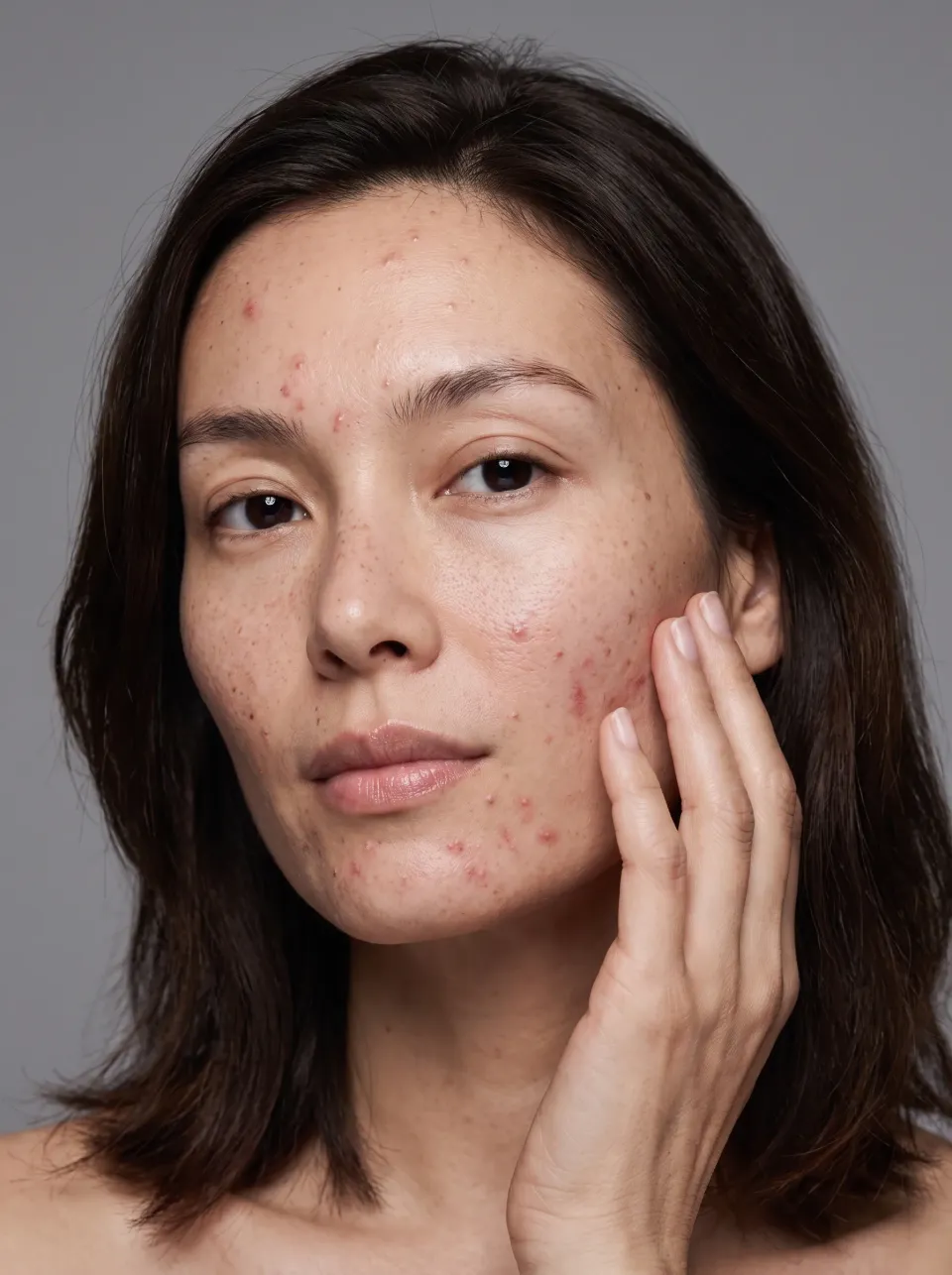
Acne is often thought of as a teenage problem, but for many people it continues, or begins, well into adulthood. Adult acne can be just as frustrating, and it carries the added concern of scarring and marks on mature skin. The good news is that it responds well to treatment when approached properly.
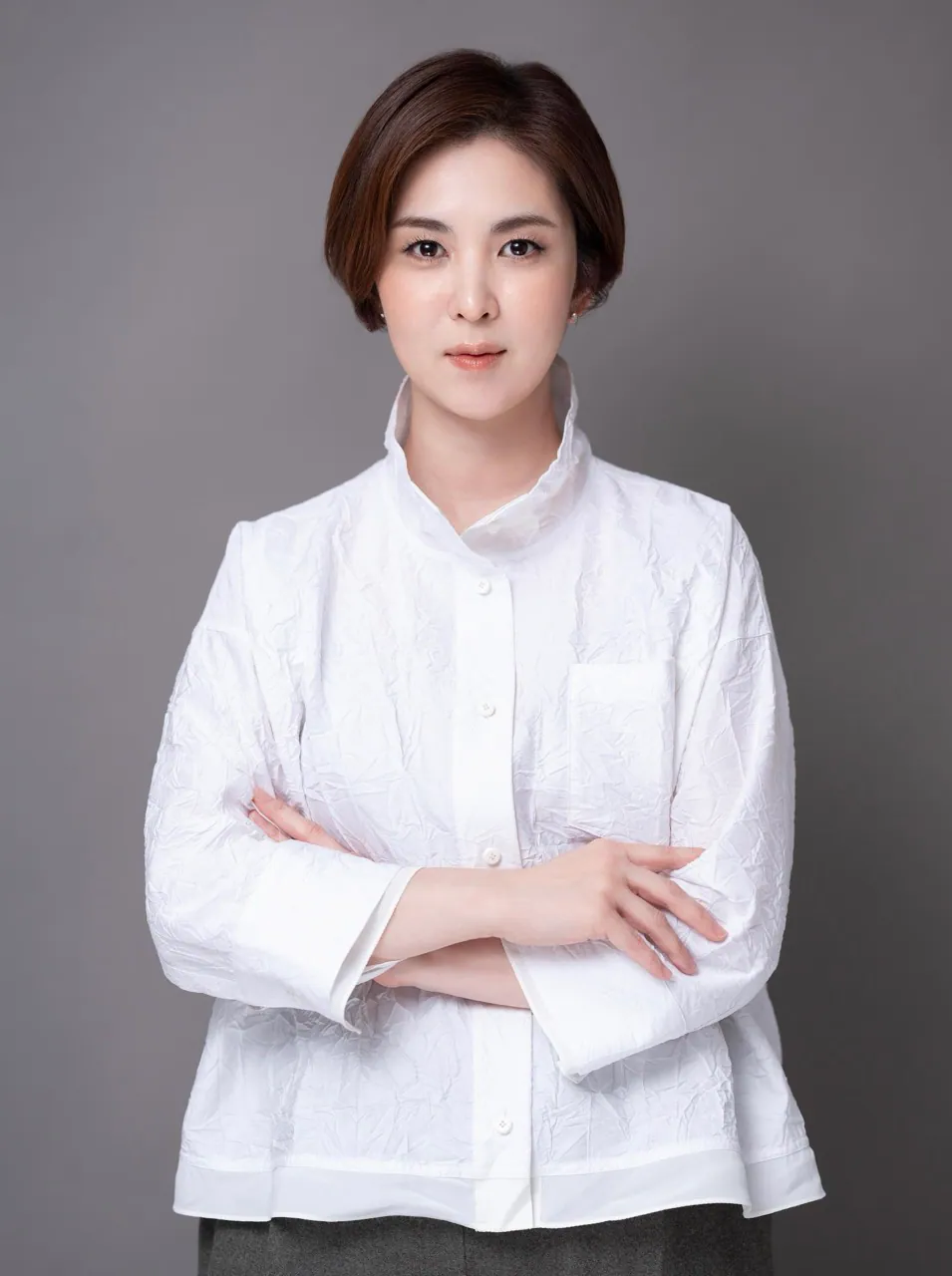
At our Mayfair clinic, consultant dermatologist Dr Jinah Yoo treats adult acne with a combination of medical and in-clinic options, tailored to the type of acne and your skin. This guide explains why adults get acne and the treatments that genuinely help.
What Is Adult Acne?
Adult acne is acne that occurs after the teenage years, typically from the mid-twenties onwards. For some people it is persistent acne that never fully cleared, while for others it appears for the first time in adulthood, which can be particularly distressing.
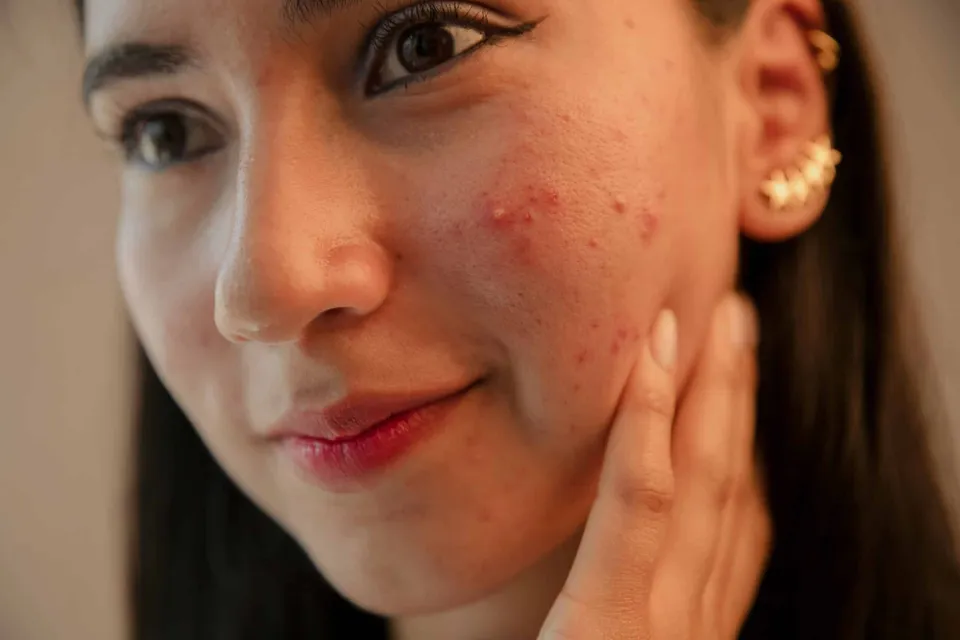
It tends to differ from teenage acne. Adult acne often appears around the lower face, jawline and chin, and it can be more inflammatory, with deeper, tender spots rather than widespread blackheads.
Why Do Adults Get Acne?
Adult acne usually results from a combination of factors:
- Hormones – fluctuations around the menstrual cycle, and conditions affecting hormones, are a common driver, particularly in women.
- Stress – can aggravate acne through its effect on hormones and inflammation.
- Genetics – a family tendency to acne plays a role.
- Skincare and products – some products can clog pores or irritate the skin.
Because the causes vary, effective treatment depends on understanding what is driving your acne rather than applying a single fixed solution.
Types of Acne
Recognising the type of acne helps guide treatment:
- Comedonal acne – blackheads and whiteheads, caused by blocked pores.
- Inflammatory acne – red, raised and sometimes tender spots.
- Hormonal acne – often along the jawline and chin, fluctuating with the cycle.
- Cystic acne – deeper, painful nodules that carry a higher risk of scarring.
Medical Treatments for Acne
Medical treatment is the foundation of managing most acne. After assessment, a dermatologist may recommend prescription treatments, which can include topical preparations and, in some cases, oral options. These are medical treatments selected and supervised according to the type and severity of your acne and your individual circumstances.
A dermatologist-led approach means treatment is tailored, monitored and adjusted, which tends to give better results than over-the-counter products alone, particularly for persistent or inflammatory acne.
Laser Treatment for Acne
Alongside medical care, laser and light treatment for acne in London has become a valuable option for many people. Certain light and laser treatments can target the factors that contribute to acne and help calm inflammation in the skin.
Light-based treatments such as broadband light can support a wider acne plan, and they may also help with the redness and marks that acne leaves behind. Laser and light treatment is usually used as part of a combined approach rather than on its own, and suitability is assessed first.
In-Clinic Treatments
In-clinic treatments can complement medical care:
- Acne Control Programme – a course of in-clinic sessions for acne-prone skin, designed to help control oil and calm breakouts.
- Acne Laser Programme – a staged laser course that targets oil production and inflammation in the skin.
These are chosen to suit your skin and used alongside, not instead of, appropriate medical treatment where that is needed. You can explore the clinic's acne treatment options as part of a tailored plan.
Why a Dermatologist-Led Approach Matters
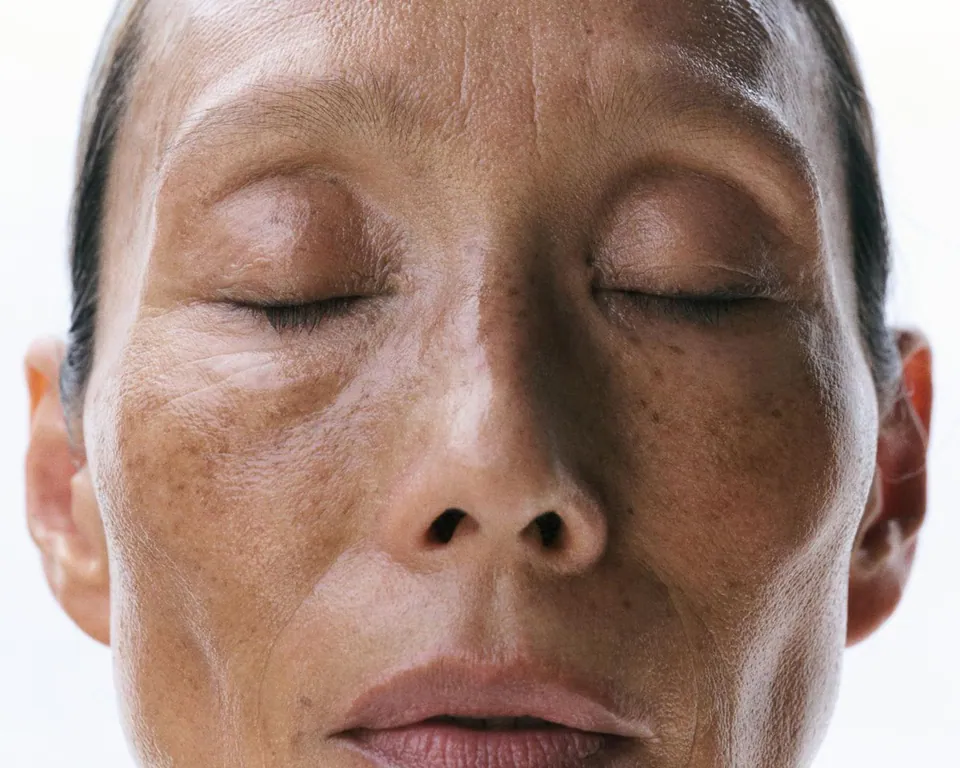
Treating acne well is about more than clearing the current breakout. Left unmanaged, acne can lead to scarring and lasting marks, particularly with inflammatory and cystic types.
A consultant dermatologist can identify the type and cause of your acne, treat it appropriately, and reduce the risk of long-term damage to the skin. This is especially important for persistent or severe acne that has not responded to other approaches.
Looking After Acne-Prone Skin
Alongside treatment, a few simple habits support clearer skin:
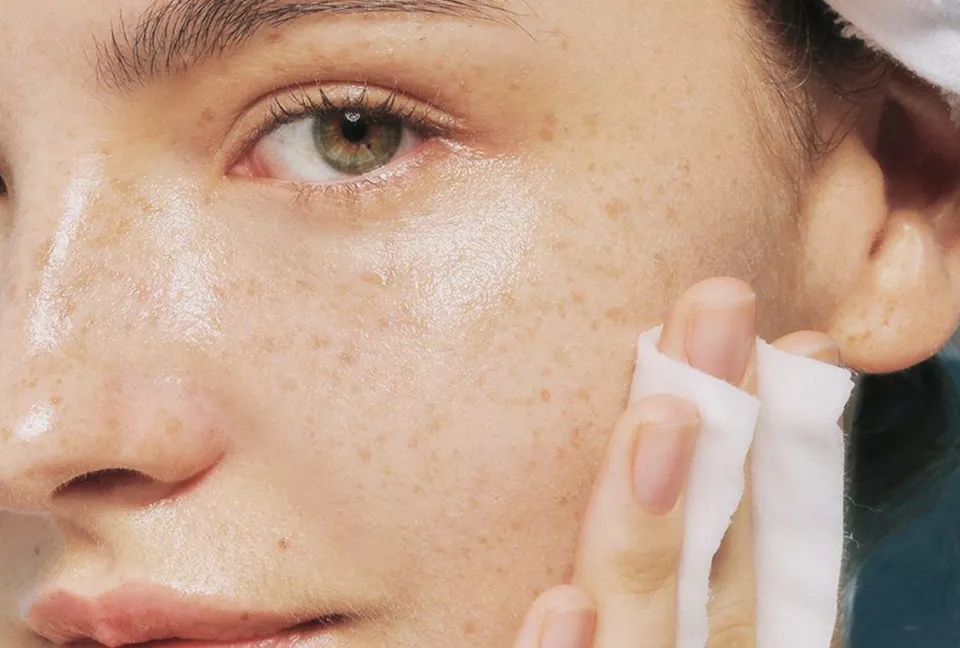
- Keep your routine gentle – harsh scrubbing and over-cleansing can irritate the skin and worsen acne.
- Choose non-comedogenic products – skincare and make-up labelled as non-comedogenic are less likely to block pores.
- Avoid picking spots – this is one of the main causes of marks and scarring.
- Protect your skin from the sun – sun exposure can worsen post-acne marks.
These steps support, rather than replace, the treatment plan agreed with your dermatologist.
What to Expect
Treatment begins with a consultation and assessment, where your acne is examined and a plan agreed. Acne treatment takes time, and improvement is usually gradual over weeks to months rather than immediate.
Consistency is important, and your dermatologist will guide you on maintenance once your skin is clearer, to help keep results and prevent new breakouts.
The Dr Jinah Yoo Approach
Adult acne deserves a considered, medical approach. As a GMC-registered consultant dermatologist, Dr Jinah Yoo treats it accordingly:
- The type and cause of your acne are assessed before treatment.
- Medical and in-clinic options are combined where appropriate.
- The risk of scarring is taken seriously and managed proactively.
- Realistic timelines and maintenance are explained from the start.
You can read more about Dr Jinah Yoo and her work in medical dermatology.
Frequently Asked Questions
Why am I getting acne as an adult?
Adult acne is usually driven by a combination of hormones, genetics, stress and sometimes skincare products. Hormonal fluctuations are a particularly common factor, especially in women. Because the causes vary, an assessment helps identify what is driving your acne so it can be treated effectively.
Does laser treatment work for acne?
Laser and light treatment can help with certain types of acne and the marks it leaves, and it is often used as part of a wider plan alongside medical treatment. Whether it is suitable for you depends on your acne type and skin, which is assessed at consultation.
Can a dermatologist help with acne the NHS could not clear?
Yes. A consultant dermatologist can assess persistent or stubborn acne in detail and tailor a treatment plan, including options that may not have been tried. Many people seek private dermatology care specifically for acne that has not responded to previous treatment.
How long does acne treatment take to work?
Acne treatment is gradual, and most approaches take several weeks to a few months to show their full effect. Consistency matters, and your dermatologist will explain realistic timelines for your particular plan and how to maintain results.
Can adult acne be cured?
Acne can usually be controlled very effectively, but because it is influenced by hormones and other ongoing factors, it is better thought of as well managed rather than permanently cured. A good plan keeps the skin clear and reduces the risk of scarring over the long term.
Arranging a Consultation
If adult acne is affecting your skin and confidence, the best starting point is a proper assessment. You are welcome to book a consultation with Dr Jinah Yoo at our Mayfair clinic.