
Eczema is one of the most common skin conditions, causing dry, itchy and inflamed skin that tends to come and go in flare-ups. For many people, those flares become noticeably worse as the weather turns colder, which makes autumn and winter a particularly important time to manage the condition well.
At our Mayfair clinic, consultant dermatologist Dr Jinah Yoo treats eczema as the medical condition it is, with a focus on calming the skin and reducing flares. This guide explains what eczema is, why it flares in autumn, and how to manage it effectively.
What Is Eczema?
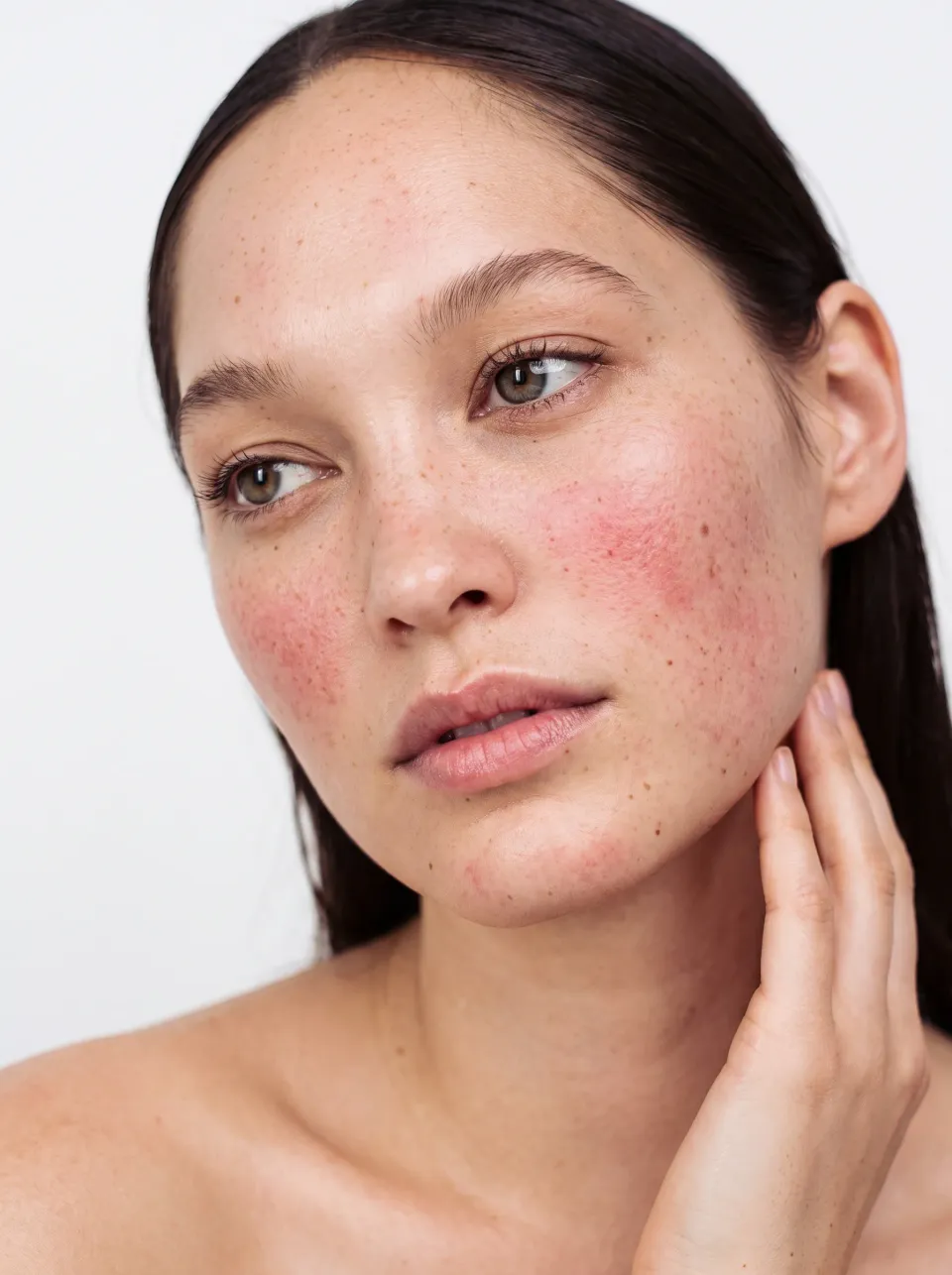
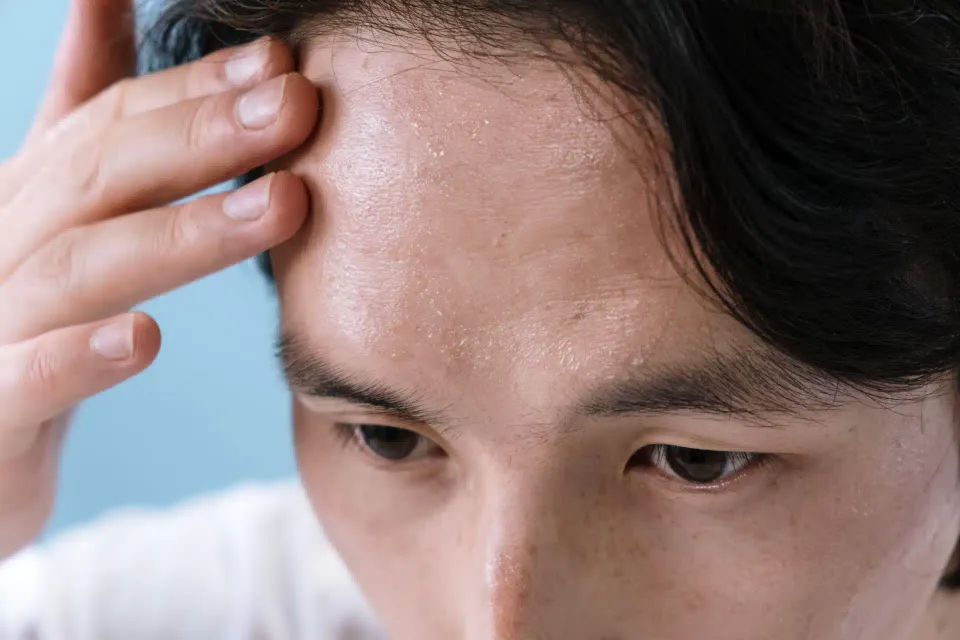
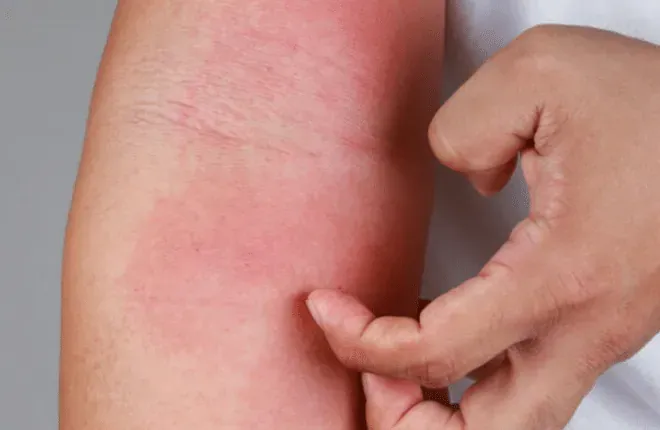
Eczema is a chronic inflammatory skin condition in which the skin becomes dry, itchy, red and sometimes cracked or weepy. The most common form is atopic eczema, which is linked to a tendency towards a sensitive, reactive skin barrier.
A key feature of eczema is a weakened skin barrier, which allows moisture to escape and irritants to get in more easily. This is why the skin becomes dry and reactive, and why protecting and repairing the barrier is central to managing the condition.
Why Eczema Flares in Autumn and Winter
Cold weather is hard on eczema-prone skin. As temperatures drop, the air becomes drier, and the contrast between cold outdoors and centrally heated indoors strips moisture from the skin. Hot showers and baths, which feel comforting in winter, can also dry the skin further.
These seasonal factors weaken the skin barrier just when it is under most strain, which is why so many people find their eczema worsens through autumn and winter. Anticipating this and stepping up barrier care early can make a real difference.
Common Eczema Triggers
Eczema flare-ups are often prompted by triggers, which vary between individuals. Common ones include:
- Cold, dry weather – and the dry air of centrally heated rooms.
- Irritants – soaps, detergents and some skincare products.
- Allergens – such as dust, pet dander or certain materials.
- Stress – which can prompt or worsen flares.
- Heat and sweat – which can irritate eczema-prone skin.
Identifying and reducing your own triggers is an important part of keeping eczema settled.
The Foundation: Moisturising and Barrier Care
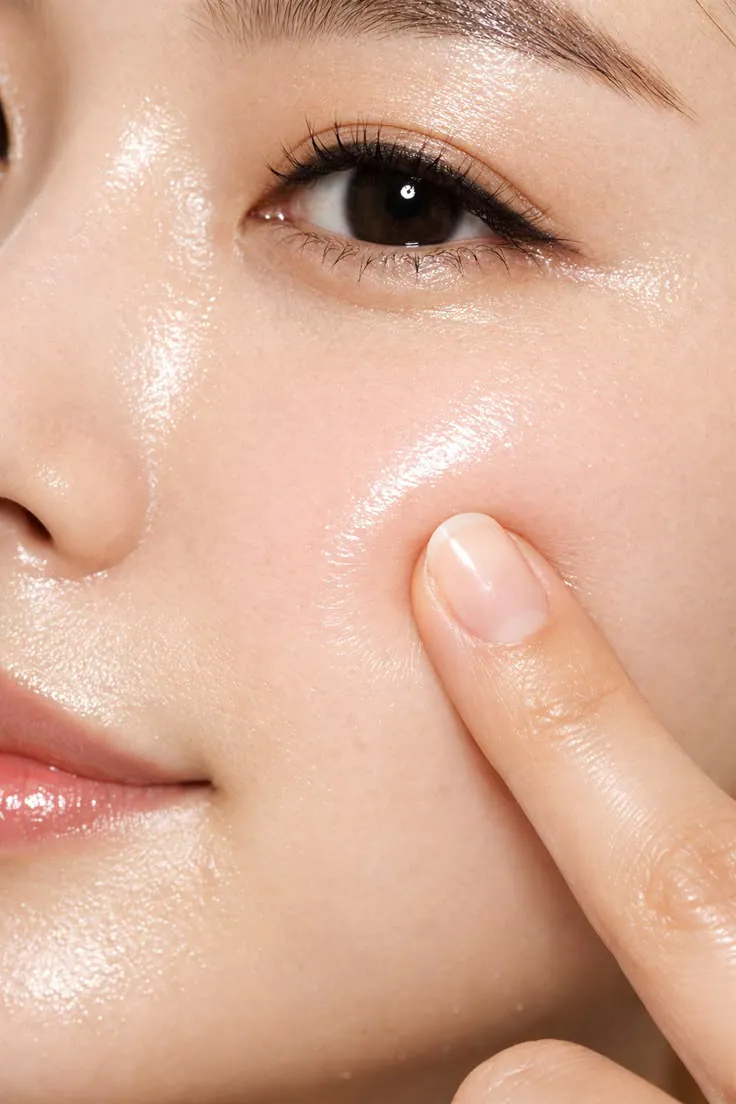
The cornerstone of eczema management is keeping the skin well moisturised to support and repair the barrier. Regular use of emollients, often several times a day, helps lock in moisture and reduce dryness and itching.
A useful principle is the three-minute rule: applying moisturiser within about three minutes of bathing or showering, while the skin is still slightly damp, to help seal in moisture. Using gentle, fragrance-free products and lukewarm rather than hot water also protects the barrier.
Protecting Eczema-Prone Skin Through the Colder Months
A few practical steps help protect the skin as the weather cools:
- Moisturise more often – increase how frequently you apply emollients as the air dries out.
- Turn down the heat – very hot showers and baths strip moisture, so keep water lukewarm.
- Consider a humidifier – adding moisture to centrally heated rooms can help.
- Protect exposed skin – gloves and scarves shield hands and face from cold, drying wind.
Stepping up this care early, before flares take hold, is far easier than calming severely irritated skin later in the season.
Medical Treatments for Eczema
When moisturising alone is not enough, medical treatment helps bring flares under control. After assessment, a dermatologist may recommend prescription treatments, which can include topical preparations and, for more severe or persistent eczema, other options.
These are selected according to the type and severity of your eczema and used alongside, not instead of, good barrier care. A dermatologist-led approach means treatment is tailored and adjusted over time, which gives better control than managing flares alone.
Managing Flare-Ups
During a flare, the focus is on calming the skin and protecting the barrier. This usually means increasing moisturiser, avoiding known triggers, keeping the skin cool to reduce itching, and following any prescribed treatment.
Resisting the urge to scratch is important, as scratching damages the skin further and can lead to infection. If the skin becomes weepy, crusted or increasingly sore, this can signal infection and should be assessed promptly. Our earlier guide to understanding and managing eczema covers the condition in more general terms.
When to See a Dermatologist
It is worth seeing a dermatologist if your eczema is persistent, severe, not responding to usual treatment, or significantly affecting your sleep and daily life. The same applies if flares are becoming more frequent or showing signs of infection.
A consultant dermatologist can confirm the diagnosis, identify triggers, and tailor a treatment plan, which is particularly valuable for eczema that has not settled with standard measures. Related conditions such as psoriasis can sometimes look similar, so an accurate diagnosis matters.
The Dr Jinah Yoo Approach
Eczema responds best to a considered, medical approach. As a GMC-registered consultant dermatologist, Dr Jinah Yoo treats it accordingly:
- The type and triggers of your eczema are assessed before treatment.
- Barrier care and moisturising are built into every plan.
- Medical treatment is tailored to the severity and adjusted over time.
- Seasonal factors, such as autumn and winter flares, are anticipated and managed.
You can read more about Dr Jinah Yoo and the clinic's eczema treatment.
Frequently Asked Questions
What is the best treatment for eczema in the UK?
There is no single best treatment, because it depends on the type and severity of your eczema. The foundation for everyone is good barrier care with regular moisturising, supported by tailored medical treatment for flares. A dermatologist can identify the right combination for you.
What is the three-minute rule for eczema?
The three-minute rule refers to applying moisturiser within about three minutes of bathing or showering, while the skin is still slightly damp. Doing so helps seal moisture into the skin, supporting the barrier and reducing dryness and itching.
What is the best doctor to see for eczema?
For persistent or severe eczema, a consultant dermatologist is the specialist best placed to diagnose the condition, identify triggers and tailor treatment. This is particularly worthwhile when eczema is not responding to usual measures or is affecting your quality of life.
Can eczema be cured?
Eczema is a chronic condition, so it cannot usually be permanently cured, but it can usually be controlled well. Some childhood eczema improves with age, and with good management many people are able to keep their skin more settled and reduce flares.
Is eczema contagious?
No, eczema is not contagious and cannot be passed from person to person. It is related to a sensitive, reactive skin barrier and a tendency to inflammation. If eczema becomes infected, however, that infection may need specific treatment, which is another reason to seek advice if the skin becomes weepy or increasingly sore.
Arranging a Consultation
If eczema is affecting your skin and comfort, particularly as the weather turns colder, a tailored plan can make a real difference. You are welcome to book a consultation with Dr Jinah Yoo at our Mayfair clinic.