
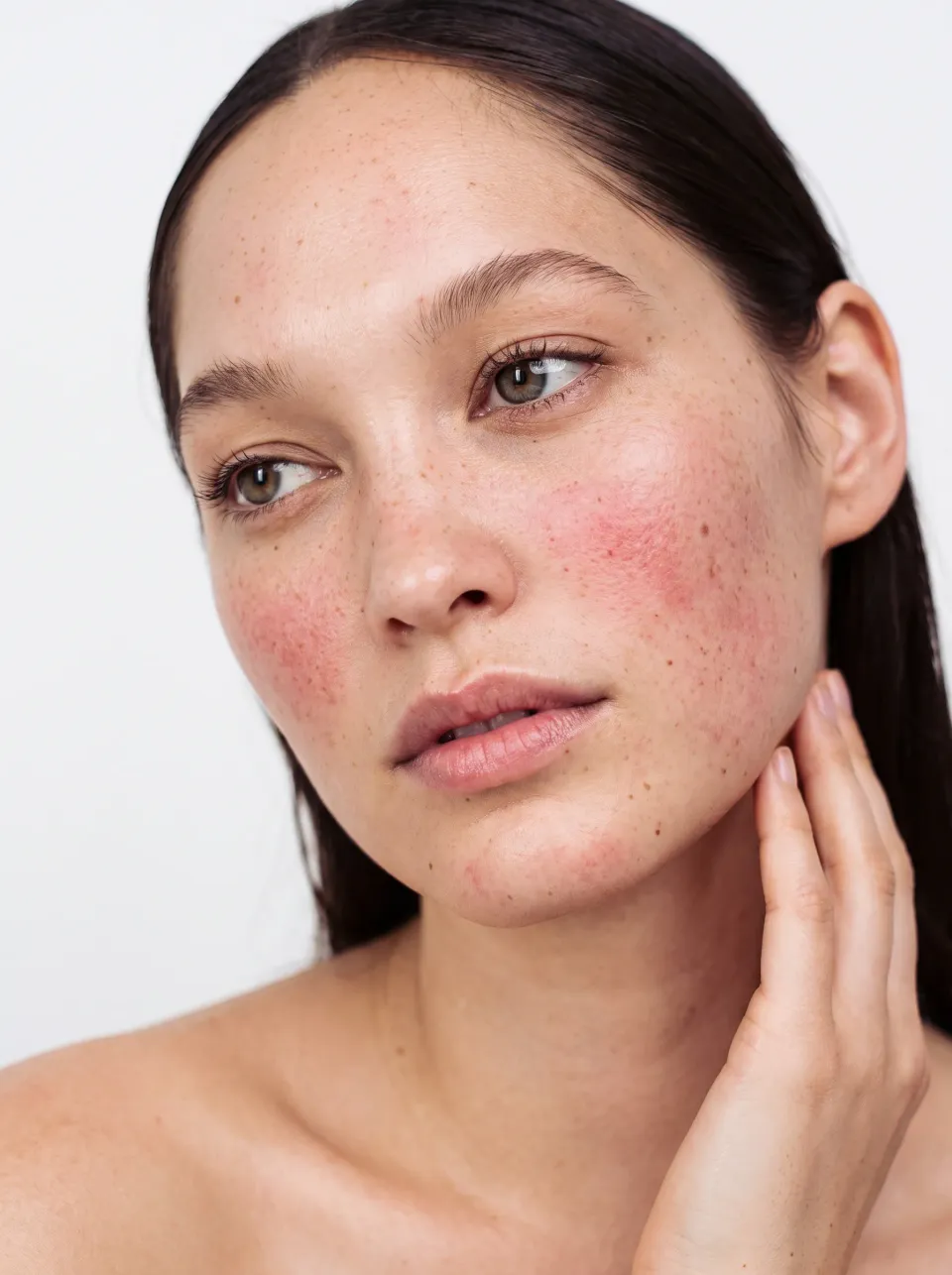
Rosacea is a common skin condition that causes facial redness, flushing and, for some people, visible blood vessels or bumps. It is harmless to general health, but it can be persistent and affect confidence, particularly because it appears on the face. The encouraging news is that rosacea can be managed well with the right approach.
At our Mayfair clinic, consultant dermatologist Dr Jinah Yoo treats rosacea as the medical condition it is, combining careful management with effective in-clinic options. This guide explains what rosacea is, how to manage flare-ups, and the laser treatments that can help.
What Is Rosacea?
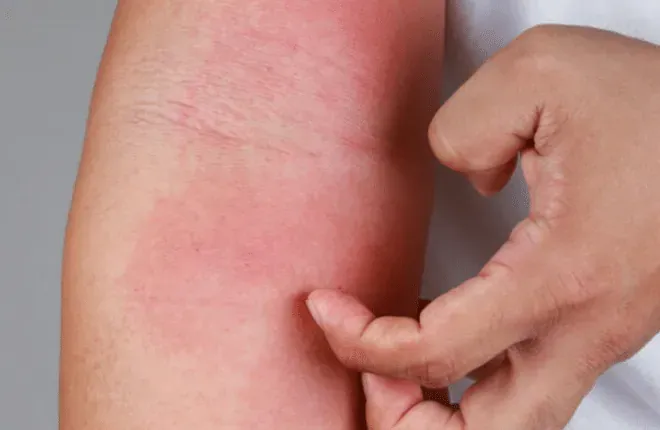
Rosacea is a chronic inflammatory skin condition that mainly affects the central face, including the cheeks, nose, forehead and chin. It typically causes redness and flushing, and over time some people develop visible small blood vessels, bumps or persistent redness.
It tends to come and go in flare-ups, often triggered by specific factors. While rosacea cannot be cured, it can usually be controlled effectively, reducing both the visible signs and the frequency of flares.
The Different Types of Rosacea
Rosacea is not a single condition, and identifying the type helps guide treatment:
- Redness and flushing – persistent facial redness, flushing and sometimes visible vessels.
- Bumps and spots – inflammatory papules and pustules that can resemble acne, known as papulopustular rosacea.
- Skin thickening – less common, where the skin thickens, particularly around the nose.
- Ocular rosacea – affecting the eyes, causing irritation and dryness.
Many people have features of more than one type, which is why an accurate assessment matters before treatment.
Common Rosacea Triggers
Rosacea flare-ups are often prompted by identifiable triggers, and these vary between individuals. Common ones include:
- Sun exposure – one of the most frequent triggers.
- Heat – hot weather, hot drinks and warm environments.
- Alcohol – particularly red wine for some people.
- Spicy food – a common dietary trigger.
- Stress – emotional stress can prompt flushing.
- Temperature changes – moving between hot and cold.
Identifying your own triggers is a key part of managing rosacea, as avoiding them can significantly reduce flare-ups.
Managing Flare-Ups
Day-to-day management focuses on reducing flares and keeping the skin calm. This usually involves identifying and avoiding your triggers, using gentle skincare that does not irritate the skin, and protecting your skin from the sun every day.
A consistent, gentle routine makes a real difference. Harsh products and aggressive treatments tend to worsen rosacea, so a calm, supportive approach to the skin is central to keeping it settled.
Medical Treatments for Rosacea
Medical treatment is often the foundation of managing rosacea, particularly for the bumps and spots. After assessment, a dermatologist may recommend prescription treatments, which can include topical preparations and, in some cases, oral options, selected according to your type of rosacea.
A dermatologist-led approach means treatment is tailored to your specific rosacea and adjusted over time, which tends to give better and more lasting control than over-the-counter products alone.
Laser and Light Treatment for Rosacea
For the redness and visible blood vessels that medical treatment does not fully address, laser and light treatments are particularly useful. These target the small blood vessels responsible for redness, helping to reduce it.
Vascular laser treatment such as Excel V is designed to treat redness and visible vessels, while broadband light such as BBL can also help with redness in suitable skin. These treatments are chosen according to your skin and the nature of your rosacea, and a course of sessions is usually needed. The clinic's Acne & Rosacea laser programme is planned in this way. Temporary redness or swelling can follow treatment, and because rosacea is a long-term condition, results are not permanent and maintenance is usually required.
Skincare for Rosacea-Prone Skin
Because rosacea is easily irritated, gentle skincare is an important part of keeping it calm. A few principles help:
- Keep it simple – a minimal routine with gentle, fragrance-free products.
- Avoid harsh actives – strong exfoliants and aggressive products can trigger flares.
- Protect from the sun – daily SPF suitable for sensitive skin is essential.
- Patch test new products – introduce anything new slowly to check how your skin reacts.
Your dermatologist can recommend a routine suited to rosacea, which supports your treatment rather than working against it.
Why a Dermatologist-Led Approach Matters
Rosacea is frequently mistaken for other conditions, including acne, and treating it incorrectly can make it worse. A consultant dermatologist can confirm the diagnosis, identify the type, and build a plan that combines management, medical treatment and laser where appropriate.
This tailored approach is especially important because rosacea is easily aggravated. Getting the diagnosis and plan right from the start gives a better chance of keeping it under control.
What to Expect
Treatment begins with a consultation and assessment, where your rosacea is examined and a plan agreed. Because rosacea is a long-term condition, treatment focuses on control and management rather than a one-off fix.
With the right combination of trigger management, skincare, medical treatment and laser where needed, many people see an improvement in their redness and flares. Your dermatologist will explain realistic expectations and ongoing care.
The Dr Jinah Yoo Approach
Rosacea responds best to accurate diagnosis and a tailored, gentle approach. As a GMC-registered consultant dermatologist, Dr Jinah Yoo treats it accordingly:
- The type of rosacea is identified before treatment.
- Trigger management, skincare and medical treatment are combined as needed.
- Laser is used to target redness and visible vessels where appropriate.
- The skin is treated gently to avoid aggravating the condition.
You can read more about Dr Jinah Yoo and the clinic's rosacea treatment.
Frequently Asked Questions
What is the best treatment for rosacea?
There is no single best treatment, because the most effective approach depends on the type of rosacea and your triggers. Management usually combines trigger avoidance, gentle skincare, medical treatment and, for redness, laser. An assessment identifies the right combination for you.
What is the most effective treatment for rosacea redness?
For persistent redness and visible blood vessels, laser and light treatments are often used, as they target the vessels directly. These are usually combined with trigger management and skincare, and are given as a course of sessions.
Can rosacea be cured?
Rosacea is a chronic condition, so it cannot be permanently cured, but it can usually be controlled well. With the right management and treatment, many people are able to reduce their redness and flares and keep the condition more settled over the long term.
Does laser treatment help rosacea?
Laser and light treatments can help with the redness and visible vessels associated with rosacea, which medical treatment alone may not fully address. Suitability depends on your skin and the type of rosacea, which is assessed at consultation.
Is rosacea the same as acne?
No, although they can look similar and are sometimes confused. Rosacea typically involves redness and flushing alongside any bumps, while acne is characterised by blackheads, whiteheads and blocked pores. Treating rosacea as if it were acne can make it worse, which is why an accurate diagnosis matters.
Arranging a Consultation
If facial redness or rosacea is affecting your skin and confidence, an accurate diagnosis is the best place to start. You are welcome to book a consultation with Dr Jinah Yoo at our Mayfair clinic.