
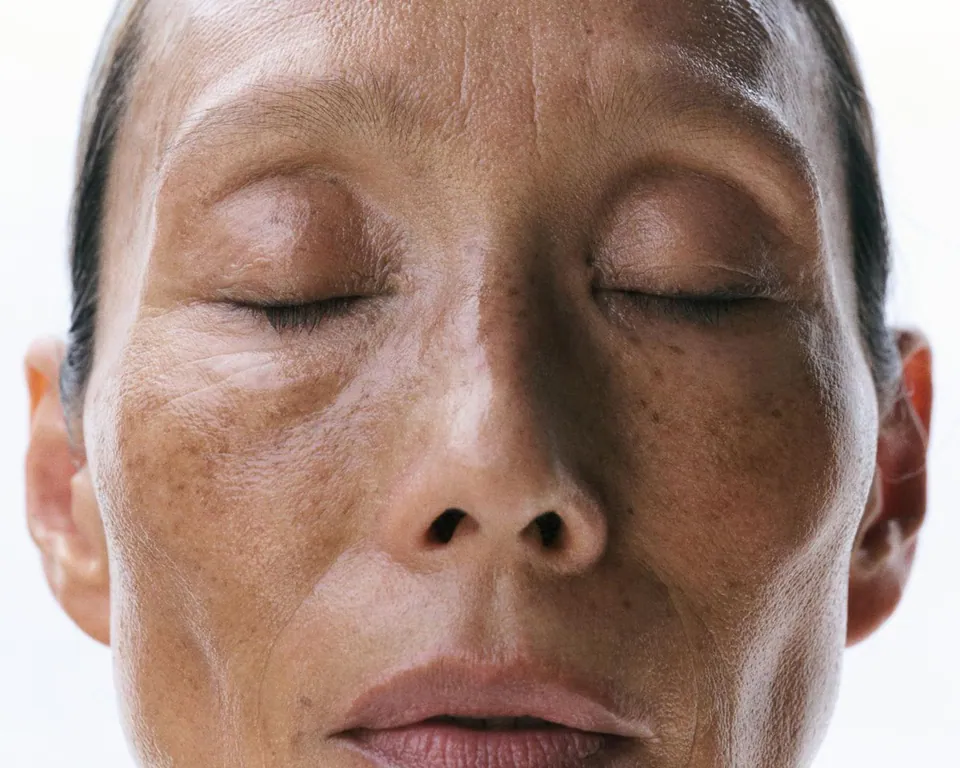
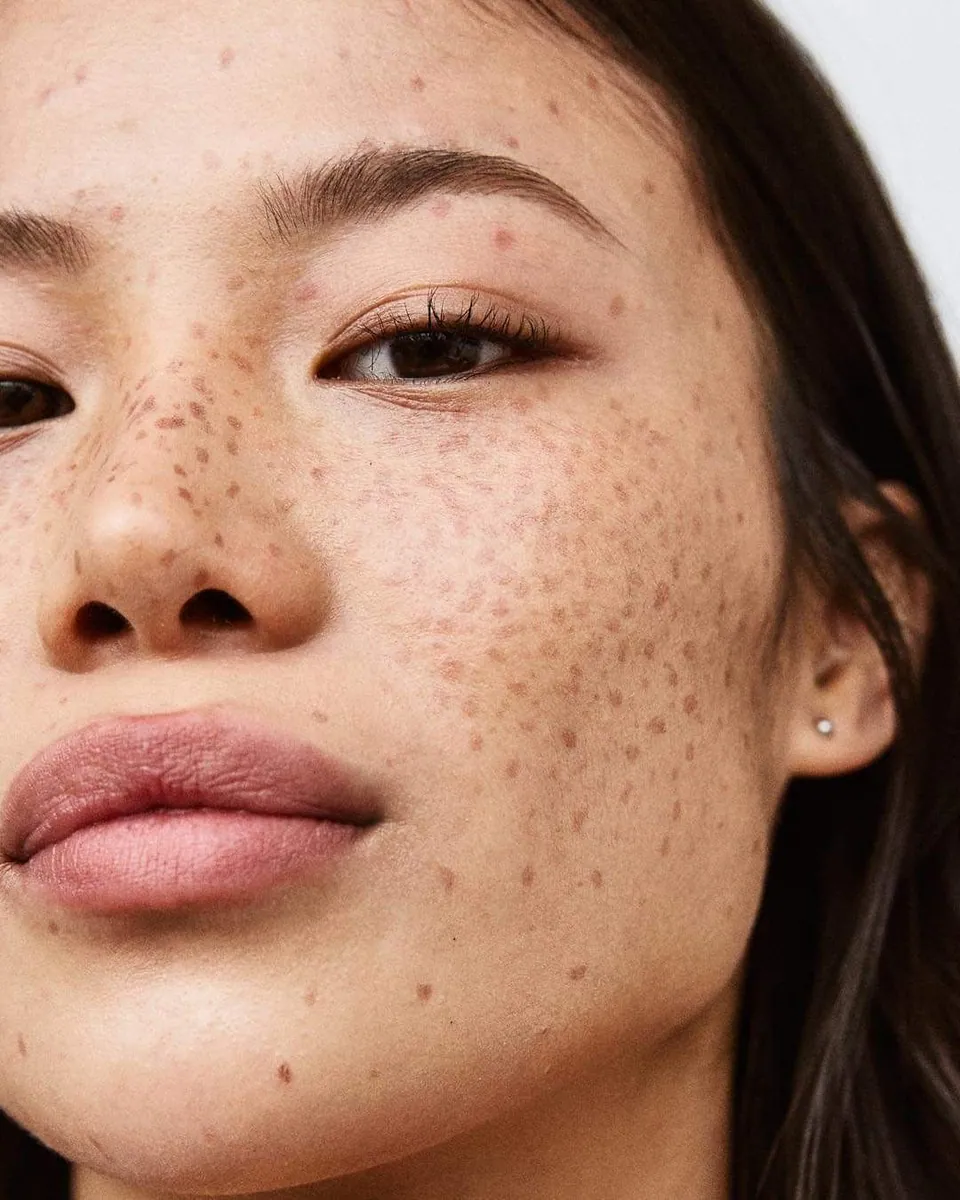
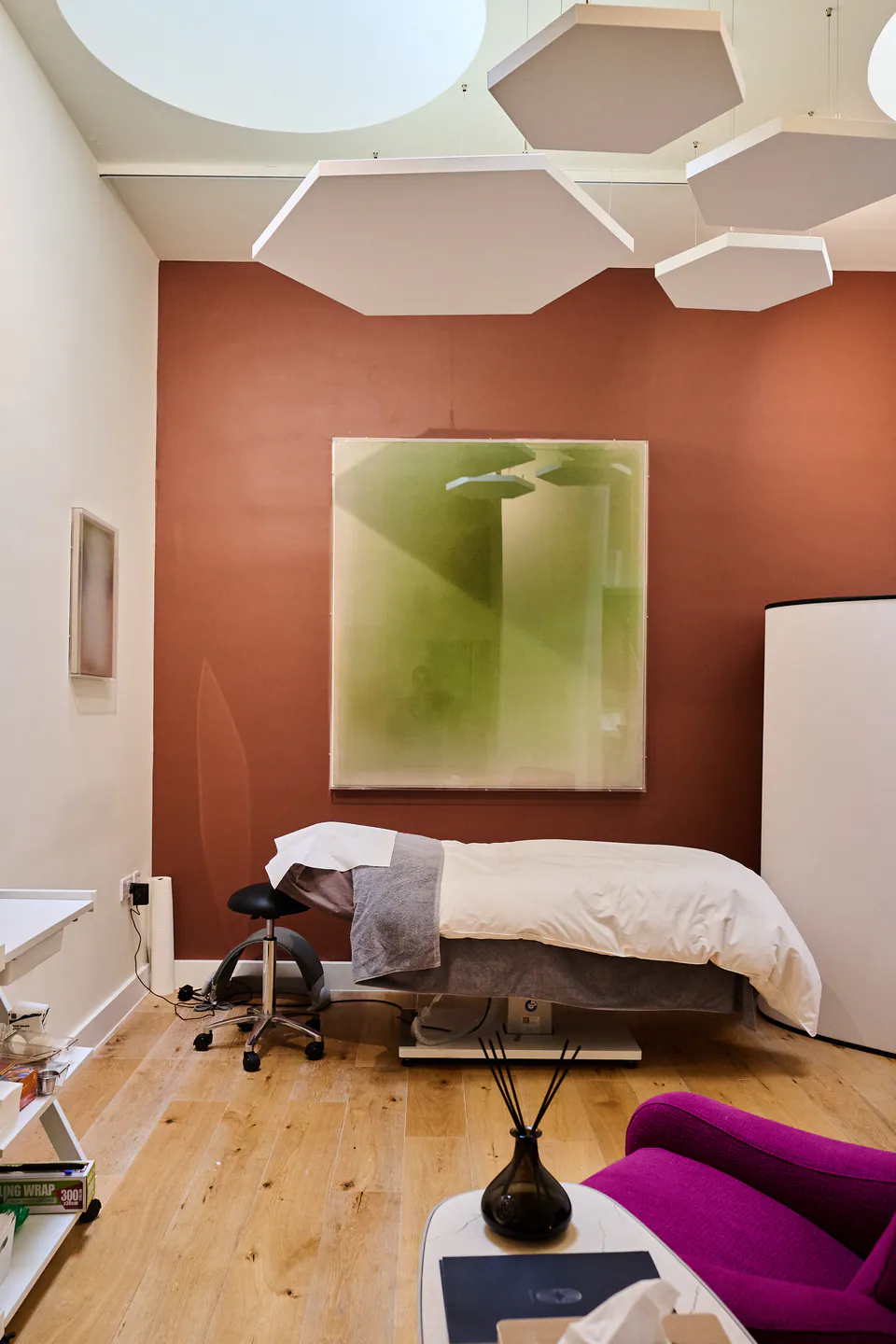

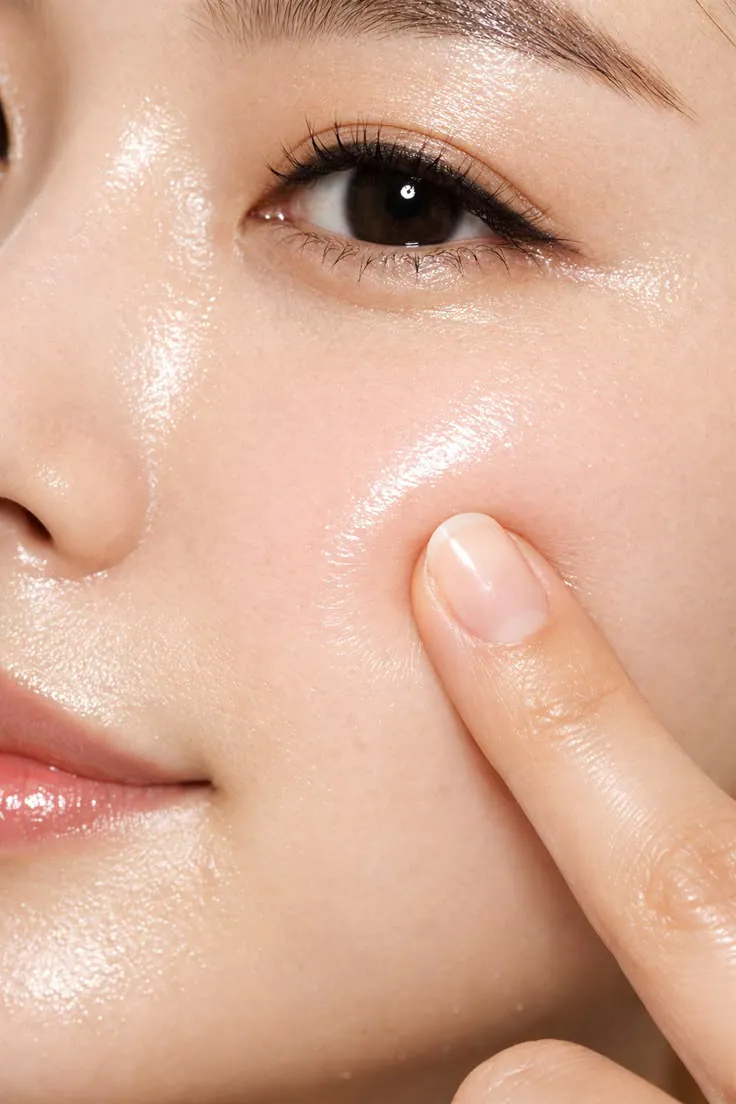

Glass skin has become one of the most recognisable goals in modern skincare, describing a complexion so smooth, clear and hydrated that it looks almost luminous. It is a hallmark of the Korean approach to skin, and it is achievable, but it is usually reached through a considered, clinical approach rather than a single facial.
At our Mayfair clinic, Korean dermatology sits at the heart of what we do, and consultant dermatologist Dr Jinah Yoo takes a clinical approach to helping skin look its most radiant. This guide explains what glass skin is, what it realistically involves, and the treatments that support it.
What Is Glass Skin?
Glass skin refers to a complexion that looks smooth, even and luminous, with refined pores and a healthy, hydrated glow. The name captures the idea of skin that appears almost reflective, with light bouncing off a clear, well-cared-for surface.
It is less about a particular product and more about the overall health and quality of the skin. Genuinely radiant skin comes from good hydration, even tone, smooth texture and a strong skin barrier, all working together.
Is Glass Skin Realistic?
It is worth being honest here. Glass skin is not about achieving literally poreless or flawless skin, which is not realistic for anyone. Instead, it is about bringing your skin to its healthiest, clearest and most luminous version.
With the right approach, many people can meaningfully improve the clarity, smoothness and glow of their skin. The aim is healthy, radiant skin that looks its best, rather than an unattainable ideal, and a clinical approach is a dependable way to work towards it.
The Clinical Route to Glass Skin
This is where a dermatology clinic differs from a spa offering a one-off glass skin facial. A single facial can leave the skin looking lovely for an event, but lasting luminosity usually comes from a combination of treatments and good skincare, guided by an understanding of your skin.
A clinical approach looks at what is actually affecting your skin, whether that is pigmentation, dullness, texture or dehydration, and addresses it directly. This means any improvement is built on the health of your skin rather than a temporary surface effect.
Treatments That Support Glass Skin
Several treatments can work together towards a glass skin finish, chosen according to your skin:
- DJY Laser Toning – the clinic's laser toning treatment, a low-energy laser that targets pigmentation and uneven texture to improve clarity and tone.
- Facial programmes – medically led facials such as the Skin Optimisation Programme, which hydrates and supports the skin barrier, or the Pigment Modulation Programme for dullness and uneven tone.
- Skin boosters – injectable hydration to improve quality and glow from within.
- Skincare and sun protection – a consistent routine to maintain and protect results.
The right combination depends on your skin, which is why assessment comes first rather than applying a fixed package. Our guides to the Korean facial and skin boosters explain these treatments in more detail.
Why a Dermatologist-Led Approach Matters
Radiant skin is healthy skin, and a consultant dermatologist is well placed to understand what your skin needs. Rather than treating only the surface, a dermatologist-led approach addresses the underlying factors that affect how your skin looks.
This means concerns such as uneven tone, congestion or dehydration are treated properly, so any glow is built on healthier skin. It also means treatments are chosen to suit your skin type, which is especially important for skin of colour.
Who It Suits
The glass skin approach suits anyone who wants healthier, clearer and more radiant skin, across a wide range of ages and skin types. It is popular both with people preparing for an occasion and those wanting to improve their skin quality over the longer term.
A consultation helps establish what is realistic for your skin and which treatments will get you there.
Supporting Glass Skin at Home
In-clinic treatments work best when supported by a consistent home routine. A few principles underpin the glass skin approach:
- Hydration – layering hydrating products to keep the skin plump and dewy.
- Gentle care – avoiding harsh products that can damage the skin barrier.
- Sun protection – daily SPF to protect tone and prevent new pigmentation.
- Consistency – results come from steady care over time rather than occasional effort.
Your dermatologist can advise on a routine that complements your treatments, so your skin stays clear and radiant between appointments.
What to Expect
Achieving glass skin is usually a gradual process rather than a single appointment. A typical plan combines in-clinic treatments with good home care, building clarity and glow over time.
Some treatments give an immediate freshness, while others, such as laser toning, build their effect over a course. Your dermatologist will explain a realistic timeline and the maintenance needed to keep your skin looking its best.
The Dr Jinah Yoo Approach
Glass skin is easier to work towards with expert guidance. As a GMC-registered consultant dermatologist with a focus on Korean dermatology, Dr Jinah Yoo approaches it accordingly:
- Your skin is assessed to understand what is affecting its clarity and glow.
- A tailored combination of treatments is recommended, not a fixed package.
- Underlying concerns such as pigmentation and texture are addressed directly.
- Skin of colour is treated with particular care.
You can read more about Dr Jinah Yoo and her approach to Korean dermatology.
Frequently Asked Questions
What is a glass skin facial?
A glass skin facial aims to leave the skin looking smooth, hydrated and luminous, in keeping with the Korean glass skin ideal. While a single facial can give an immediate glow, a lasting glass skin effect usually comes from a combination of treatments and good skincare, guided by an assessment of your skin.
Can anyone achieve glass skin?
Many people can improve the clarity, smoothness and glow of their skin, though the starting point and what is realistic varies from person to person. Glass skin is best understood as your skin at its healthiest and most radiant, rather than a literally flawless finish.
How do Koreans achieve glass skin?
The Korean approach combines gentle, consistent skincare with a focus on hydration and barrier health, often supported by in-clinic treatments such as laser toning and facials. It is the emphasis on long-term skin health and prevention, rather than quick fixes, that underpins the glass skin look.
How long does a glass skin glow last?
A facial-based glow may last from days to a couple of weeks, while results from treatments such as laser toning and skin boosters build and last longer with maintenance. Ongoing skincare and periodic treatments are what keep the skin looking consistently radiant.
Is glass skin just good skincare?
Good skincare is an essential foundation, but for many people in-clinic treatments make a meaningful difference to clarity, tone and texture that skincare alone cannot achieve. The best results usually come from combining professional treatment with a consistent home routine.
Arranging a Consultation
If you would like clearer, smoother and more luminous skin, a clinical approach can help you work towards it. You are welcome to book a consultation with Dr Jinah Yoo at our Mayfair clinic.