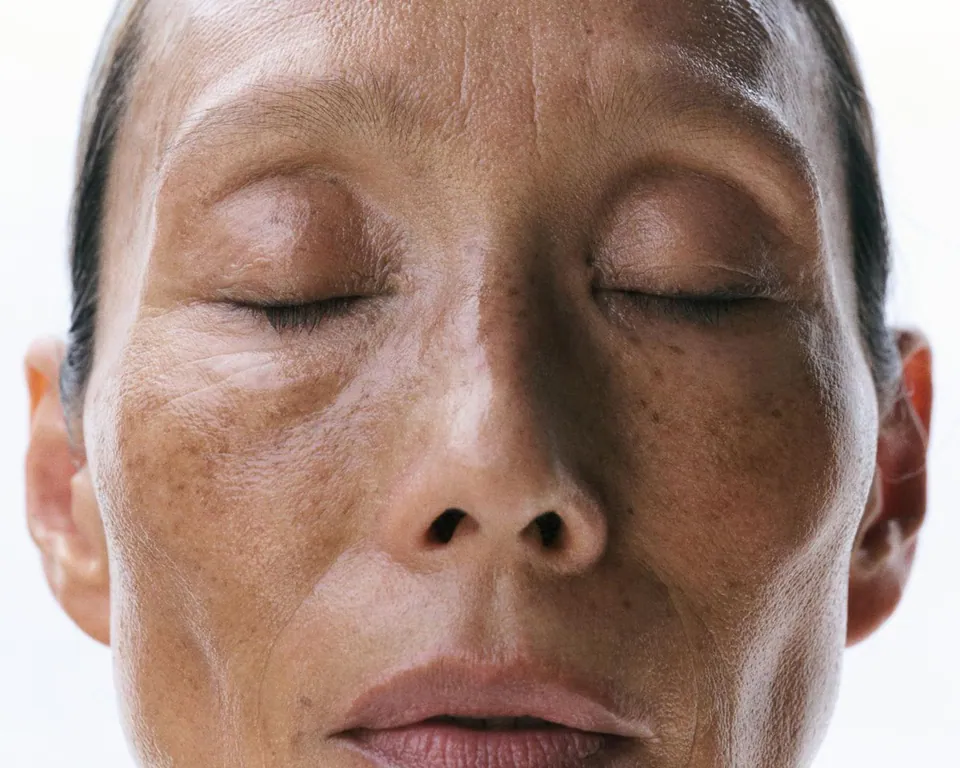



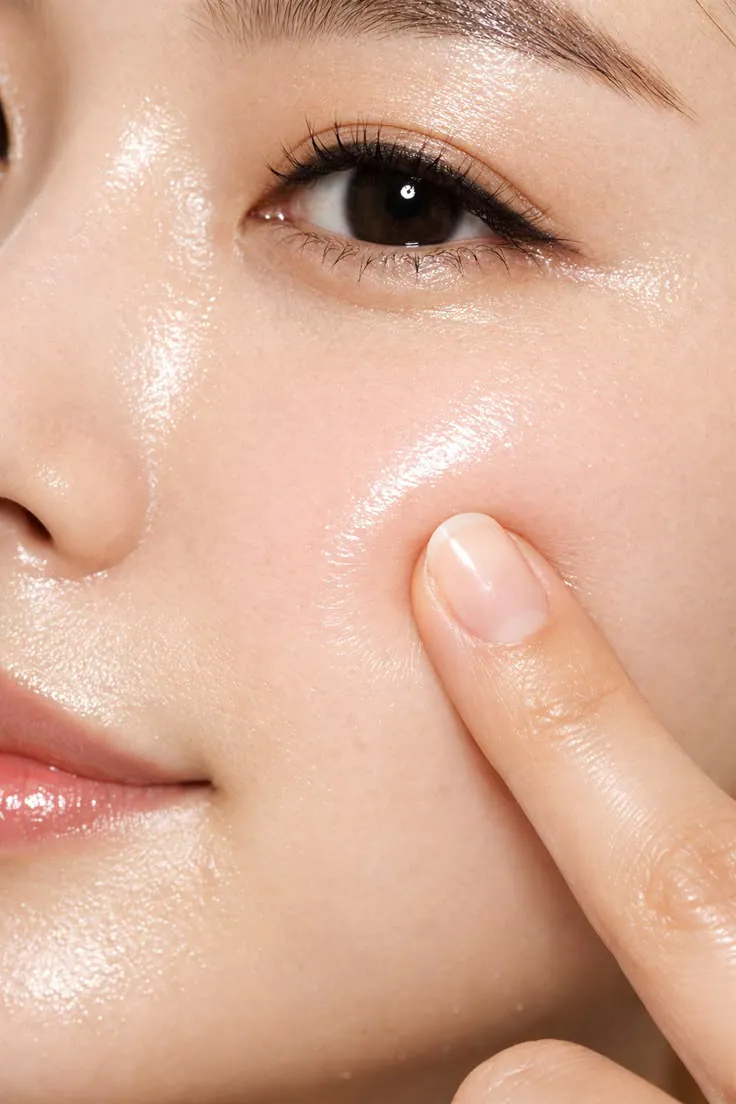
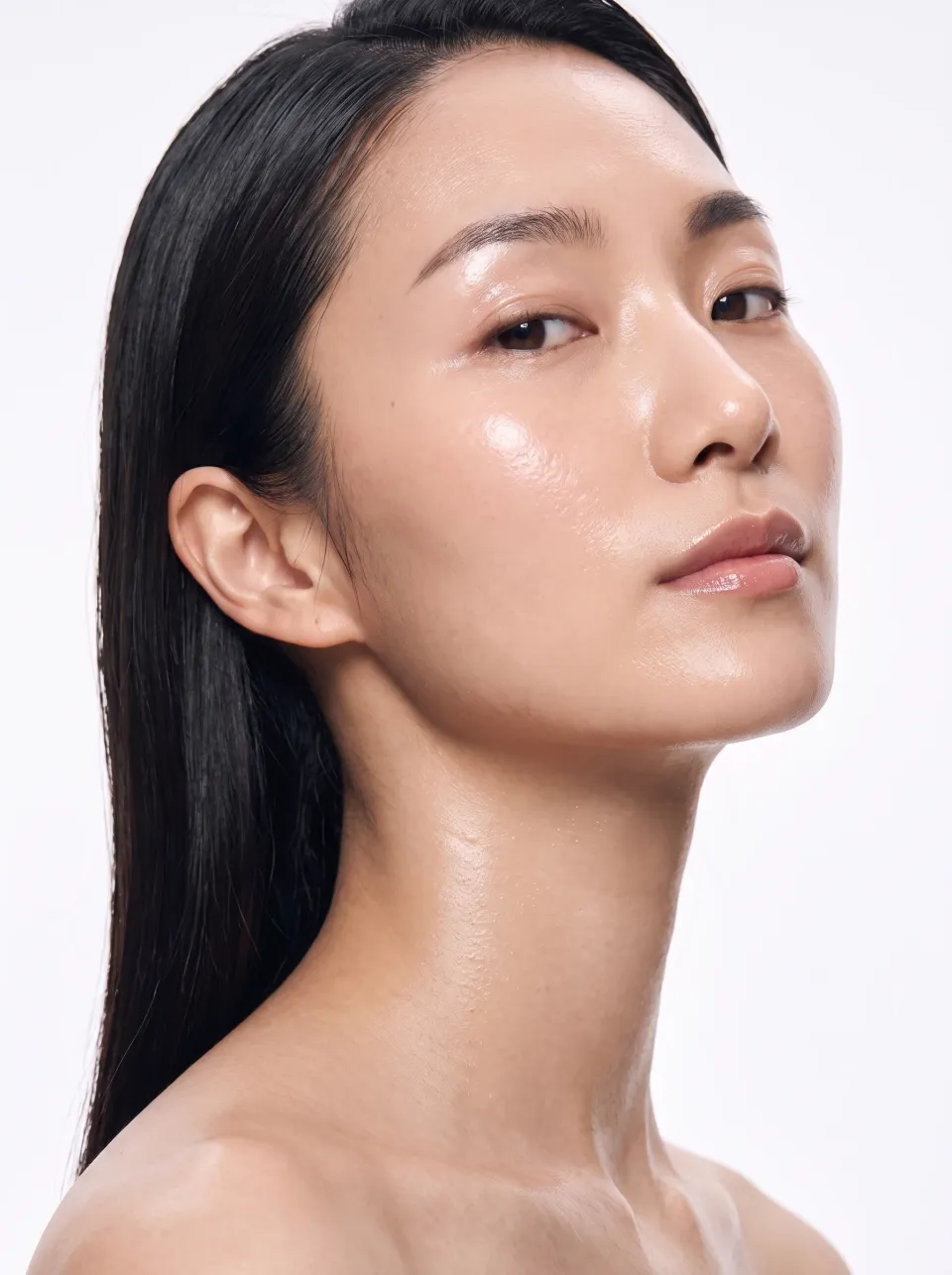
Skin boosters have become a popular way to improve the quality, hydration and glow of the skin without changing its shape. They are often confused with dermal fillers, but they do a very different job, and understanding the difference helps you choose the right treatment for your goals.
At our Mayfair clinic, skin boosters are carried out by consultant dermatologist Dr Jinah Yoo as part of a doctor-led approach to skin health. This guide explains what skin boosters are, the different types available, and how they differ from fillers.
What Are Skin Boosters?
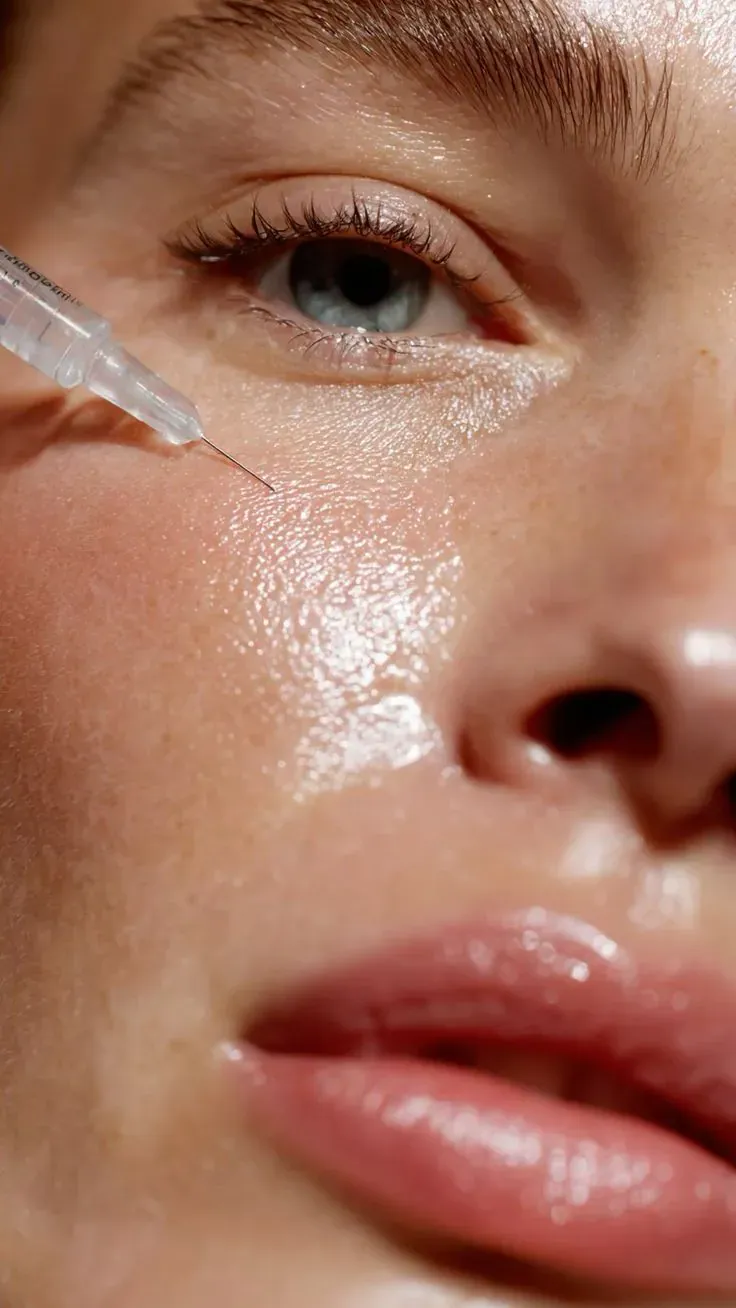
Skin boosters are injectable treatments designed to improve the quality and condition of the skin rather than to add volume or contour. Most are based on hyaluronic acid, a substance that occurs naturally in the skin and helps it hold moisture.
Delivered through a series of small injections, skin boosters hydrate the skin from within and, depending on the type, can also stimulate the skin's own repair processes. The result is skin that looks fresher, smoother and more radiant.
How Skin Boosters Differ from Fillers
This is the most common point of confusion, so it is worth being clear:
- Skin boosters improve skin quality – hydration, glow, texture and firmness across an area.
- Fillers restore volume and shape – dermal fillers are placed to contour or replace lost volume in specific areas.
- Different goals – boosters work on the condition of the skin, while fillers work on its structure.
Many people benefit from one, the other, or both, depending on whether their concern is the quality of the skin or its volume and shape.
The Different Types of Skin Boosters
Skin boosters are not all the same, and the term covers several treatments that work in different ways:
- Traditional hydrating boosters – hyaluronic acid delivered through micro-injections to hydrate and refresh the skin.
- Bio-remodelling treatments – such as Profhilo, which spreads through the skin to improve hydration and firmness while stimulating collagen.
- Polynucleotide treatments – a regenerative option that supports the skin's own repair processes.
Each has its strengths, which is why an assessment helps match the right booster to your skin and goals rather than assuming one suits everyone.
What Skin Boosters Treat
Skin boosters are mainly used to improve overall skin quality. They can help with:
- Dehydrated skin – restoring hydration and a healthier look.
- Dullness – improving radiance and glow.
- Fine lines and texture – smoothing and refining the skin's surface.
- Early laxity – supporting firmer-feeling skin.
- Other areas – the neck, hands and under-eye area can also be treated.
They are about improving the canvas of the skin rather than reshaping the face or filling deeper lines.
Who They Suit
Skin boosters suit people who want healthier, more hydrated and radiant skin rather than a change in shape. They are popular for those noticing dullness, dehydration or the early signs of ageing, and they can benefit a wide range of ages and skin types.
A consultation helps establish whether a skin booster is the right choice, and if so, which type best fits your skin and goals.
Skin Boosters as Part of a Skin Plan
Skin boosters tend to work best as part of an ongoing approach to skin health rather than a one-off treatment. Because they improve the quality of the skin, they pair well with good home care, sun protection and, where appropriate, other in-clinic treatments.
For some people a skin booster is the whole plan, keeping the skin hydrated and radiant with regular maintenance. For others it is one element alongside treatments that address volume, lines or specific concerns. A consultation helps decide how boosters fit into your wider routine, so each treatment has a clear purpose rather than overlapping with another.
What to Expect
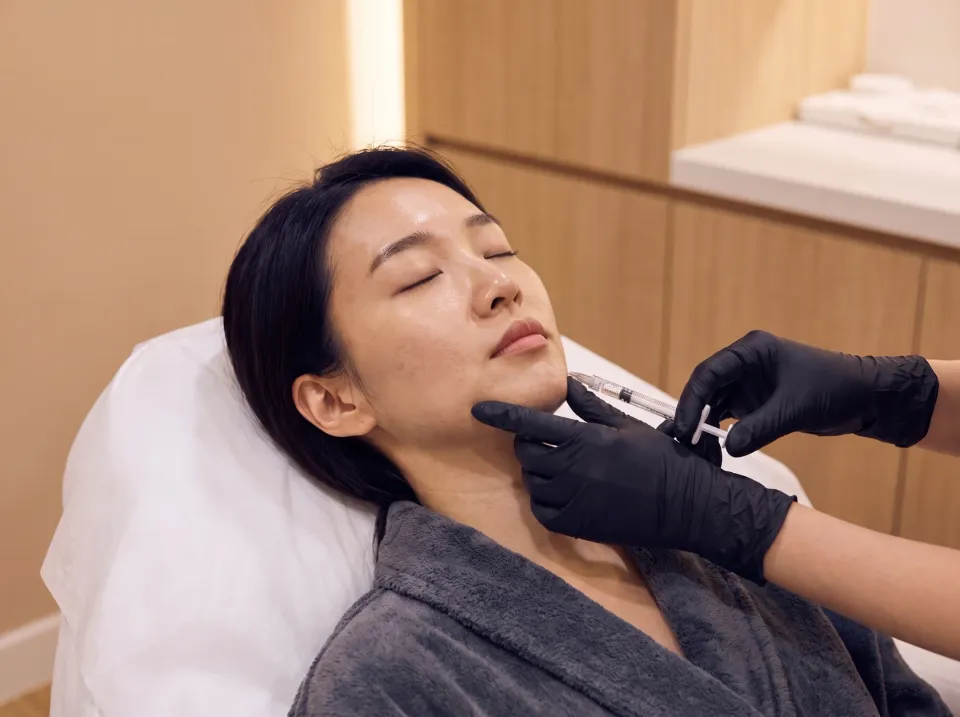
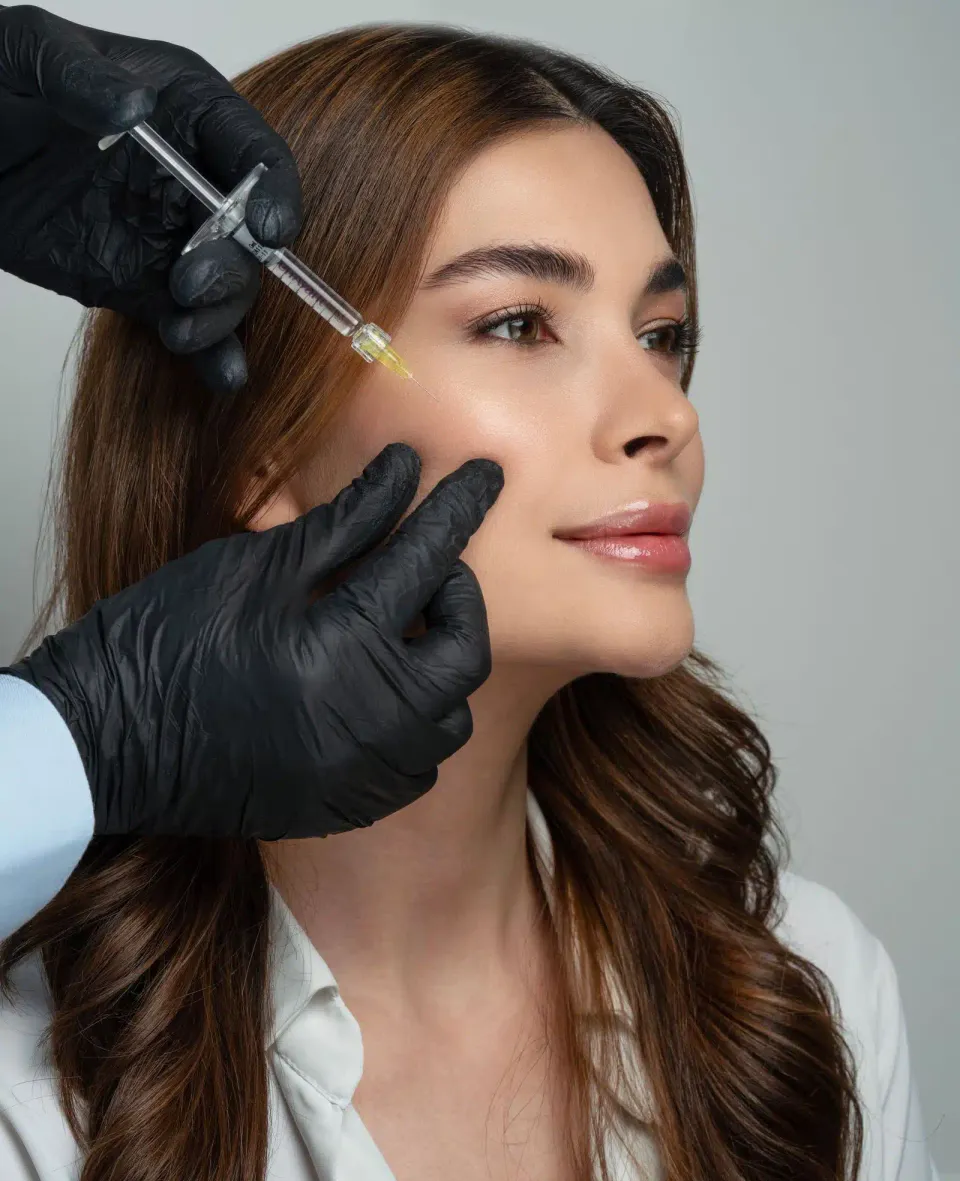
Skin booster treatment usually involves a short course of sessions spaced a few weeks apart, followed by maintenance. The product is delivered through a series of small injections across the treatment area.
Downtime is minimal, though some redness, small bumps or mild bruising at the injection points are normal and settle within a day or two. Results develop gradually over the following weeks as hydration improves and, with some boosters, collagen stimulation takes effect.
Risks and Considerations
Skin boosters are generally well tolerated, but a few points are worth understanding:
- Bruising and swelling – possible at the injection sites and usually short-lived.
- Temporary bumps – small raised areas after treatment that settle quickly.
- Realistic expectations – boosters improve skin quality, but they do not add volume or provide a lift.
Having treatment carried out by an experienced medical practitioner means your suitability is assessed properly and any risks are explained before you go ahead.
The Dr Jinah Yoo Approach
The key to skin boosters is matching the right type to your skin. As a GMC-registered consultant dermatologist, Dr Jinah Yoo approaches them accordingly:
- Your skin and goals are assessed before any treatment.
- The most suitable type of booster is recommended for your needs.
- Treatment is doctor-led, with honest advice on what to expect.
- Boosters are combined with other treatments only where this genuinely helps.
You can read more about Dr Jinah Yoo and the clinic's skin booster treatments.
Frequently Asked Questions
How much do skin boosters cost in London?
Cost depends on the type of booster and the number of sessions, as boosters are usually started as a course followed by maintenance. Because plans are tailored, a clear price is provided after your consultation, once your skin has been assessed.
Are skin boosters really worth it?
For those wanting more hydrated, radiant and better-quality skin, many people find skin boosters worthwhile, particularly when maintained over time. Whether they are right for you depends on your goals, since boosters improve skin quality rather than adding volume.
Is a skin booster better than Profhilo?
Profhilo is itself a type of skin booster, specifically a bio-remodelling treatment, so it is not a question of one being universally better. The right choice depends on your skin and what you want to achieve, which is why an assessment helps identify the most suitable option.
Can skin boosters treat acne scars?
Skin boosters can improve overall skin quality and texture, but they are not a primary treatment for acne scarring. Textural acne scars usually need targeted treatments such as microneedling or laser. Boosters may complement a scar plan by improving the surrounding skin, but they are not a substitute for it.
How long do skin boosters last?
This depends on the type of booster and your skin, but results typically last several months before maintenance is recommended. Because boosters work by hydrating and supporting the skin over time, regular sessions help sustain the improvement rather than relying on a single treatment.
Arranging a Consultation
If you would like more hydrated, radiant and better-quality skin, a skin booster may be worth considering. You are welcome to book a consultation with Dr Jinah Yoo at our Mayfair clinic.