

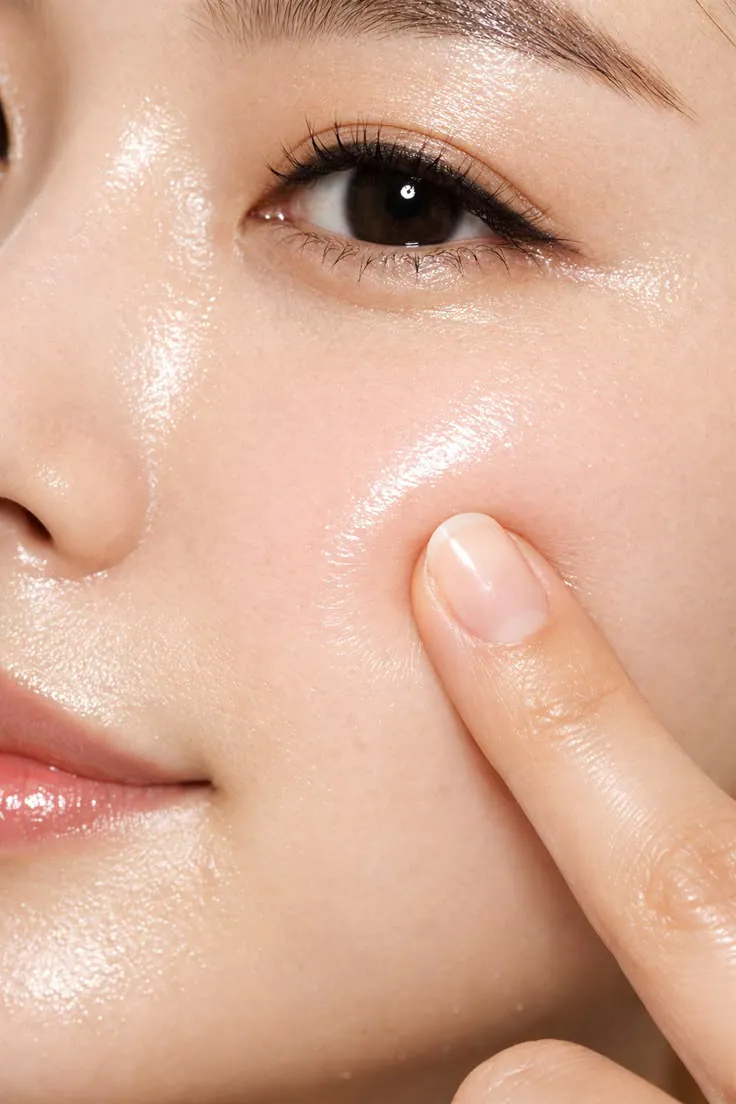
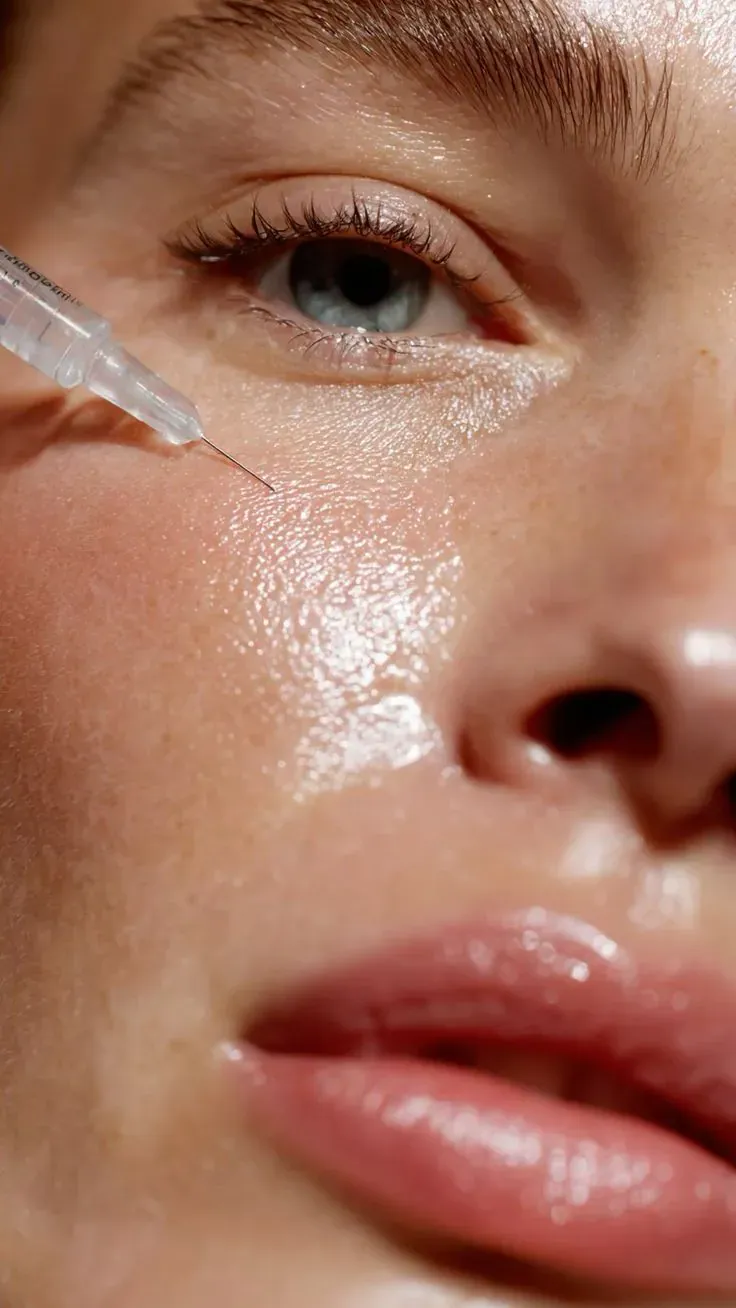
Polynucleotides have quickly become one of the most talked-about regenerative skin treatments, often appearing in the headlines under the eye-catching name of the salmon sperm facial. Behind the headlines is a genuinely interesting treatment, with roots in regenerative medicine, that focuses on improving the quality and health of the skin.
At our Mayfair clinic, polynucleotide treatment is carried out by consultant dermatologist Dr Jinah Yoo as part of a considered, doctor-led approach. This guide explains what polynucleotides actually are, how they work, and what the science suggests they can do.
What Are Polynucleotides?
Polynucleotides are chains of purified nucleotides, the building blocks of DNA. In aesthetic treatments, they are derived from highly purified fragments of salmon or trout DNA, which are biocompatible with human skin.
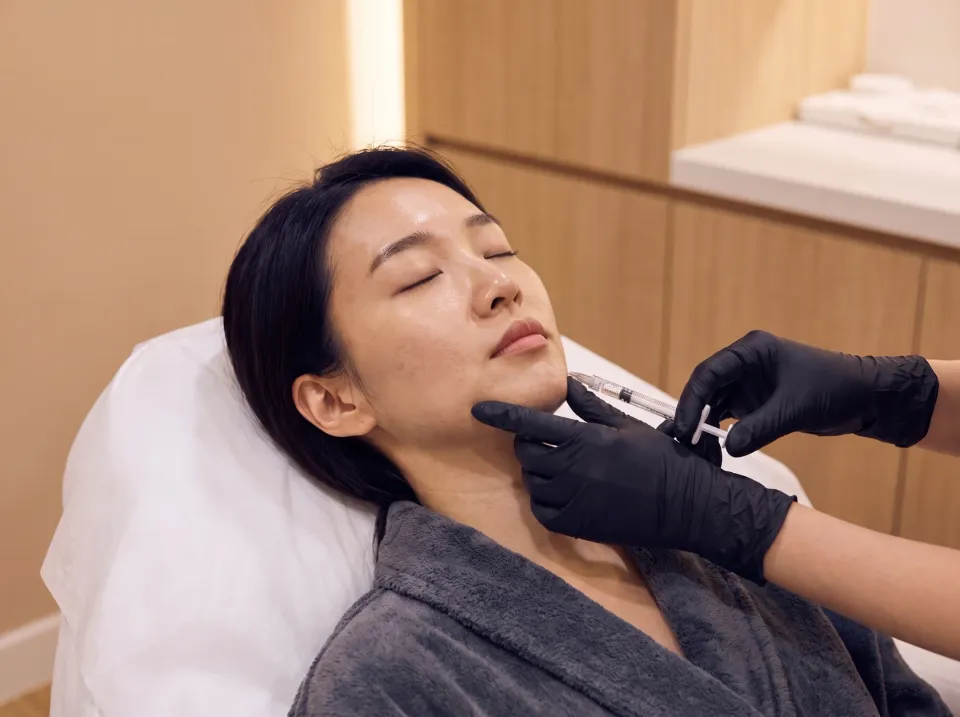
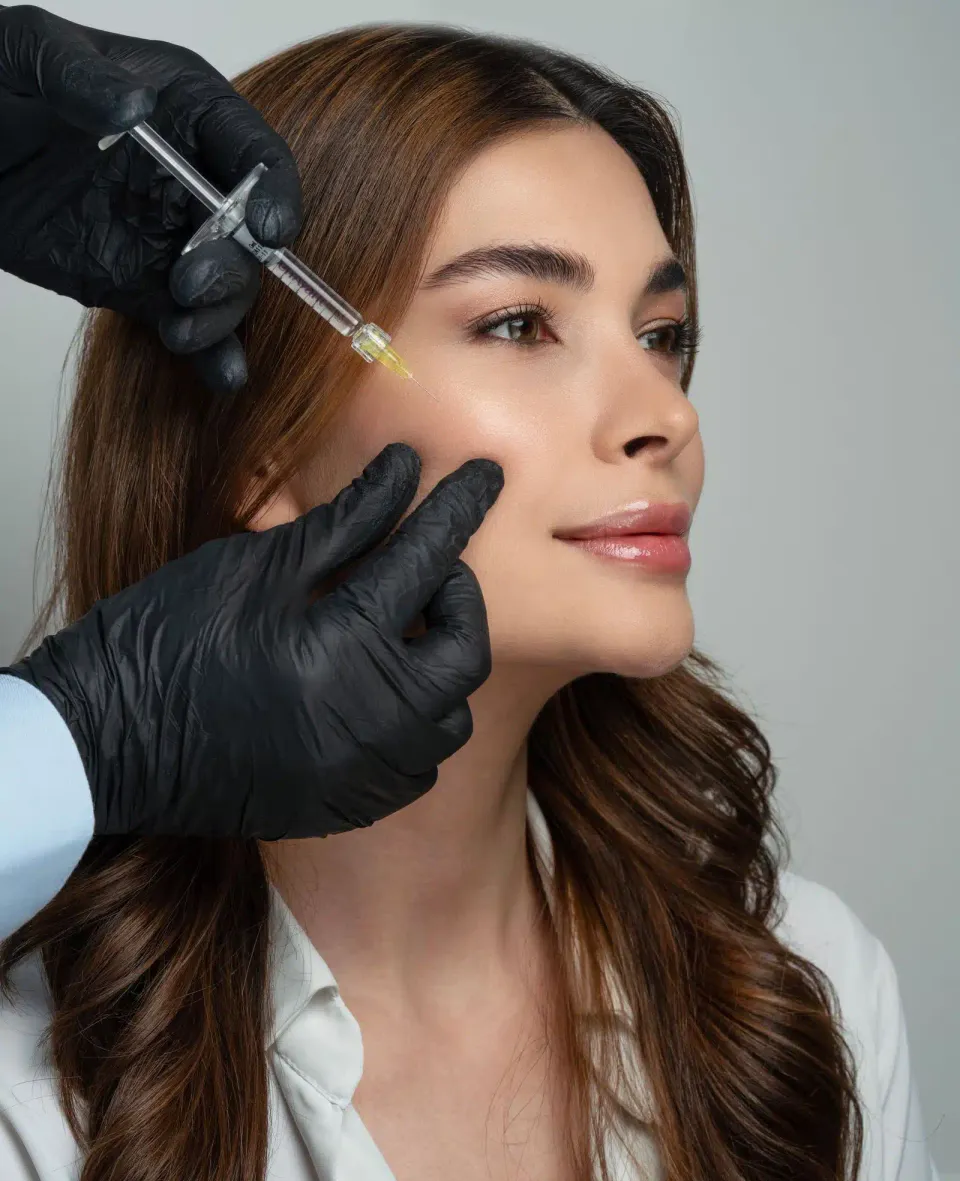
When injected into the skin, polynucleotides act as a kind of biological scaffold and signal, encouraging the skin to repair and renew itself. The focus is on regeneration and skin quality rather than on adding volume or filling lines.
The "Salmon Sperm Facial": What It Really Is
The nickname can be off-putting, so it is worth clarifying. Polynucleotide treatments are not a literal application of salmon sperm. They use purified polynucleotide chains, extracted and refined to a high medical standard.
What remains is a purified, biocompatible product designed to support skin regeneration. The catchy name has helped the treatment go viral, but it does not reflect what is actually involved.
How Polynucleotides Work
The appeal of polynucleotides lies in how they support the skin's own repair processes. Research into polynucleotides, which have a longer history in regenerative medicine, suggests several actions:
- Stimulating fibroblasts – the cells that produce collagen and elastin.
- Improving hydration – helping the skin hold moisture and look plumper.
- Supporting repair – encouraging healthier skin tissue over time.
- Calming the skin – polynucleotides are associated with antioxidant and soothing effects.
The result, developing gradually over the weeks after treatment, is an improvement in skin quality, firmness and overall condition.
A Background in Regenerative Medicine
Part of what makes polynucleotides interesting is that they are not new. Polynucleotides have been studied and used in wider medicine for some time, including in areas such as wound healing and tissue repair, where supporting the body's own regeneration is the goal.
Their move into aesthetic skin treatment builds on this background. Rather than masking the signs of ageing, the aim is to support healthier skin tissue, which is why polynucleotides are described as regenerative. As with any evolving treatment, results vary between individuals, and a measured, evidence-informed approach matters more than hype.
What Polynucleotides Treat
Polynucleotides are used to improve skin quality rather than to reshape the face. They can help with:
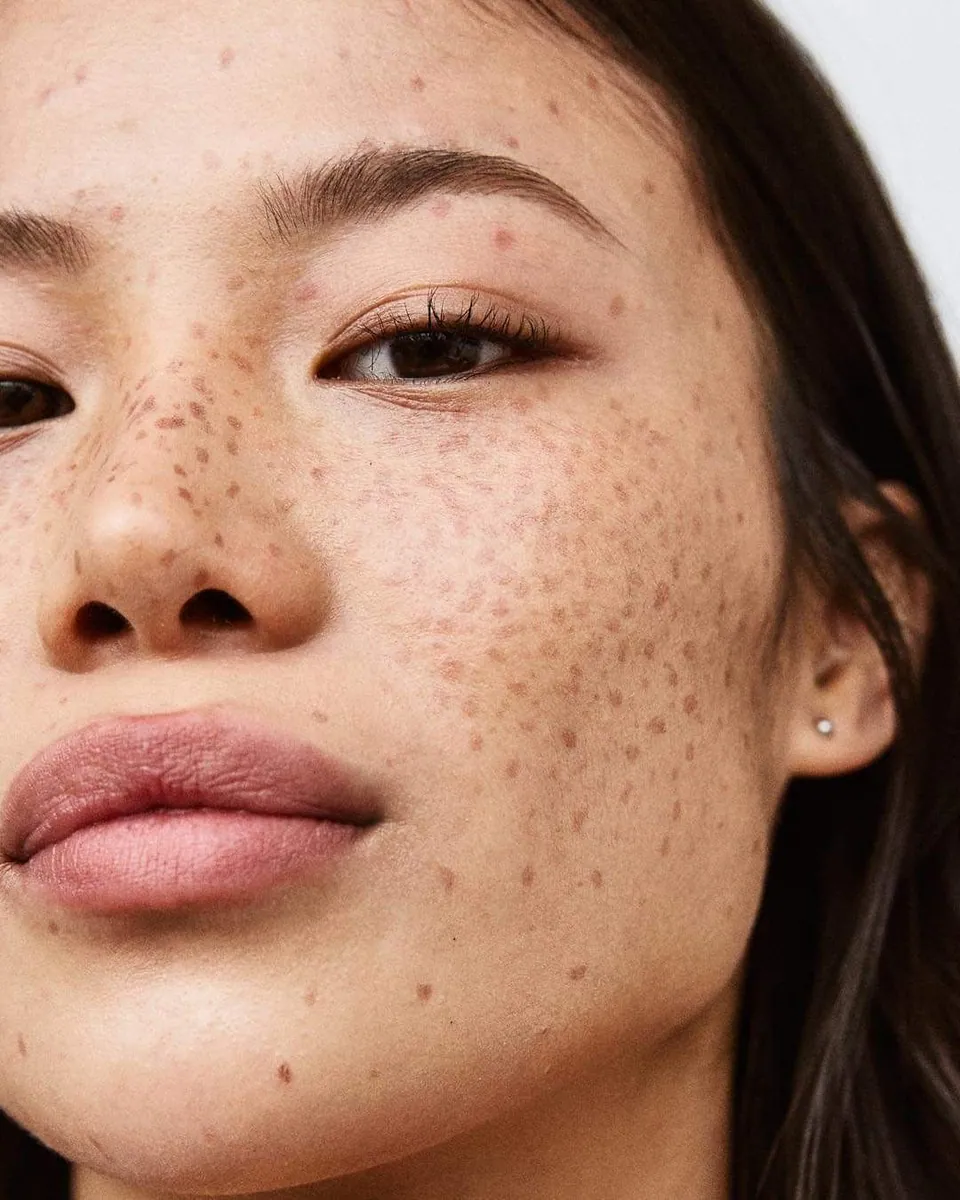
- Skin texture and firmness – supporting smoother, firmer skin.
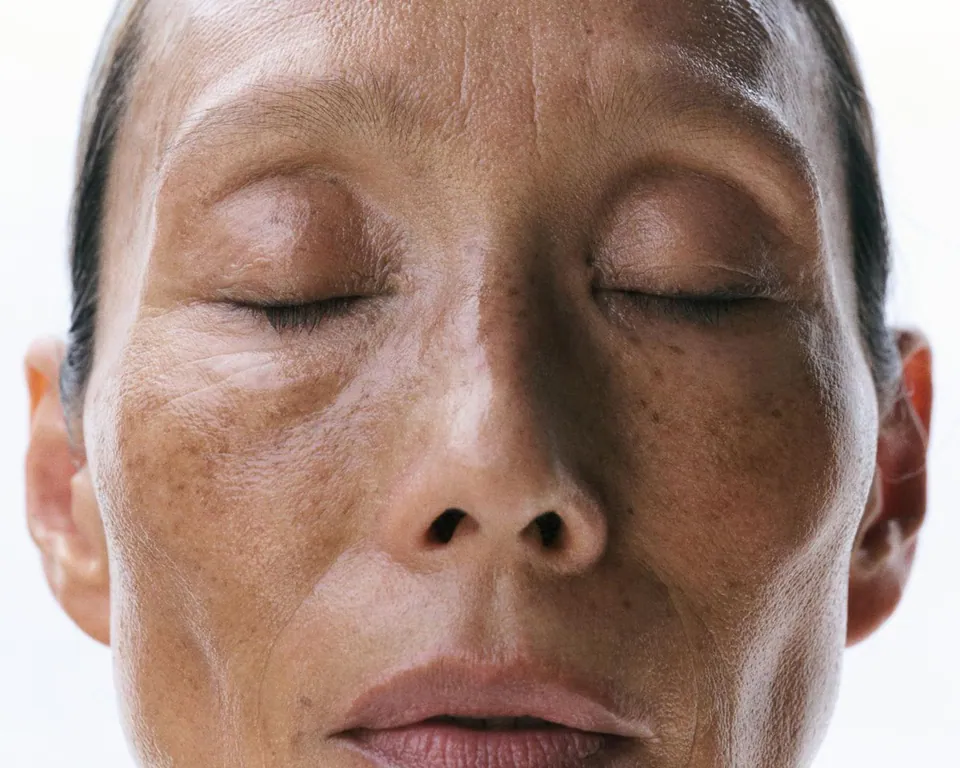
- Fine lines and crepiness – improving the appearance of early ageing.
- The under-eye area – a popular use, where they can help with crepey skin and overall quality.
- Overall radiance – a healthier, more rejuvenated look.
The under-eye area in particular has made polynucleotides popular, and this can be explored as a focused under-eye treatment where suitable.
How They Differ from Fillers and Profhilo
Polynucleotides sit within the wider world of injectable skin treatments, but they work differently from the alternatives:
- Not fillers – they do not add volume. Dermal fillers restore shape and volume, which is a different goal.
- Regenerative focus – polynucleotides aim to support the skin's repair, while bio-remodelling treatments such as Profhilo focus on hydration and firmness through hyaluronic acid.
- Complementary – they can be used alongside other treatments, each doing a specific job.
This is why an assessment matters, so the right regenerative or hydrating treatment is matched to your skin.
What to Expect
Polynucleotide treatment usually involves a short course of sessions, often two or three spaced a few weeks apart, followed by maintenance. The product is injected into the target areas, and treatment is generally quick.
Downtime is minimal, though some redness, swelling or small bumps at the injection points are normal and settle within a day or two. Results build gradually as the skin responds, rather than appearing immediately.
Risks and Considerations
Polynucleotide treatment is generally well tolerated, but a few points are worth understanding:
- Bruising and swelling – possible at the injection sites and usually short-lived.
- Fish allergy – because the product is derived from fish sources, this should be discussed at consultation.
- Realistic expectations – polynucleotides improve skin quality and support regeneration, but they do not add volume or provide a surgical lift.
Treatment by an experienced medical practitioner means your suitability is assessed properly and any risks are explained before you go ahead.
The Dr Jinah Yoo Approach
Polynucleotides are a regenerative treatment best used within a considered plan. As a GMC-registered consultant dermatologist, Dr Jinah Yoo approaches them accordingly:
- Your skin and goals are assessed before treatment.
- Polynucleotides are recommended where skin quality and regeneration are the focus.
- Treatment is doctor-led, with honest advice on what to expect.
- They are combined with other treatments only where this genuinely adds value.
You can read more about Dr Jinah Yoo and the clinic's salmon polynucleotide treatment.
Frequently Asked Questions
How much does polynucleotide treatment cost in London?
Cost depends on the number of sessions and the areas treated, as polynucleotides are usually started as a short course followed by maintenance. Because plans are tailored, a clear price is provided after your consultation, once your skin has been assessed.
How long do polynucleotide results last?
Results vary between individuals, but improvements in skin quality typically last several months, with maintenance sessions recommended to sustain them. Because polynucleotides work by supporting the skin's own processes, results build gradually and are maintained with ongoing care.
Is polynucleotide treatment worth it?
For those wanting to improve skin quality, firmness and the appearance of the under-eye area, many people find polynucleotides worthwhile, particularly as part of a maintained plan. Whether they are right for you depends on your goals, which a consultation will help clarify.
Are two polynucleotide treatments enough?
A short course of two or three sessions is common to begin with, depending on your skin and the area being treated, followed by maintenance. The exact number is agreed during your consultation, as it depends on your individual response and goals.
Is there any downtime after polynucleotide treatment?
Downtime is usually minimal. Some redness, mild swelling or small bumps at the injection points are normal and tend to settle within a day or two. Most people return to their usual activities quickly, and your dermatologist will give you simple aftercare advice to support healing.
Arranging a Consultation
If you are interested in a regenerative approach to improving your skin quality, polynucleotides may be worth considering. You are welcome to book a consultation with Dr Jinah Yoo at our Mayfair clinic.