

Moxi is a gentle laser treatment that has become popular for refreshing the skin with very little downtime. Rather than aiming for dramatic resurfacing, it focuses on subtle, gradual improvement, which has made it a favourite for early skin maintenance, often described as prejuvenation.
At our Mayfair clinic, Moxi is carried out by consultant dermatologist Dr Jinah Yoo as part of a considered approach to long-term skin health. This guide explains what Moxi laser is, how it works, and why it has become such a popular choice for keeping skin looking its best.
What Is Moxi Laser?
Moxi is a fractional laser made by Sciton, designed to deliver gentle resurfacing. It works by creating tiny, controlled zones of treatment in the skin, which prompt renewal while leaving the surrounding skin intact to support quick healing.
Because it is a gentler, non-ablative laser, Moxi offers a more comfortable experience and shorter recovery than more intensive resurfacing lasers. It is often chosen by people who want healthier, brighter skin without significant downtime.
What Is Prejuvenation?
Prejuvenation is the idea of looking after the skin early, before significant signs of ageing appear, rather than waiting to treat them later. The aim is to maintain skin quality and address the first signs of sun damage and dullness as they arise.
Moxi suits this approach well. Its gentle, gradual nature makes it well suited to regular maintenance, supporting clear, even and healthy-looking skin over time. It is popular with younger patients starting to think about prevention, as well as anyone wanting a low-downtime way to keep their skin fresh.
How Moxi Works
Moxi delivers laser energy in a fractional pattern, treating small zones of skin while leaving areas in between untouched. This stimulates the skin to renew itself and refresh its surface, improving tone and texture.
Because only a fraction of the skin is treated at a time, healing is quicker than with fuller resurfacing. The result is a gentle improvement in the skin's clarity and quality that builds with each treatment, particularly as part of a course.
What Moxi Treats
Moxi is best suited to early and moderate skin concerns, including:
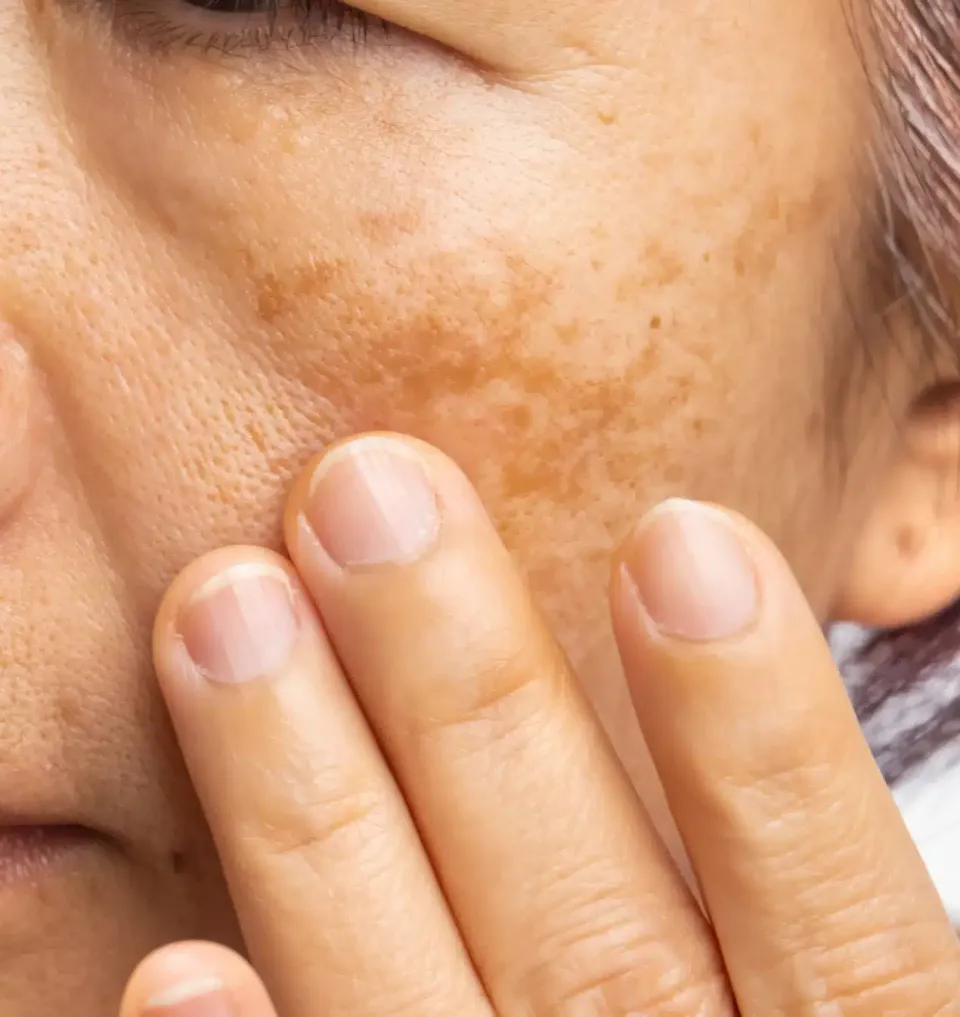
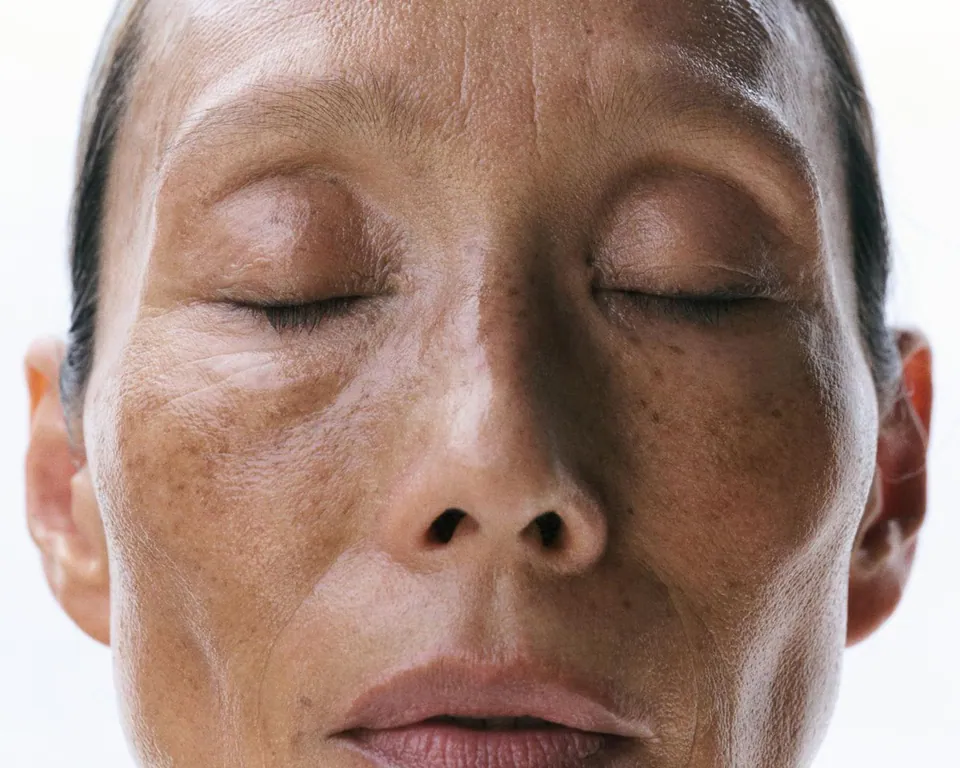
- Early pigmentation – mild sun damage and uneven tone.
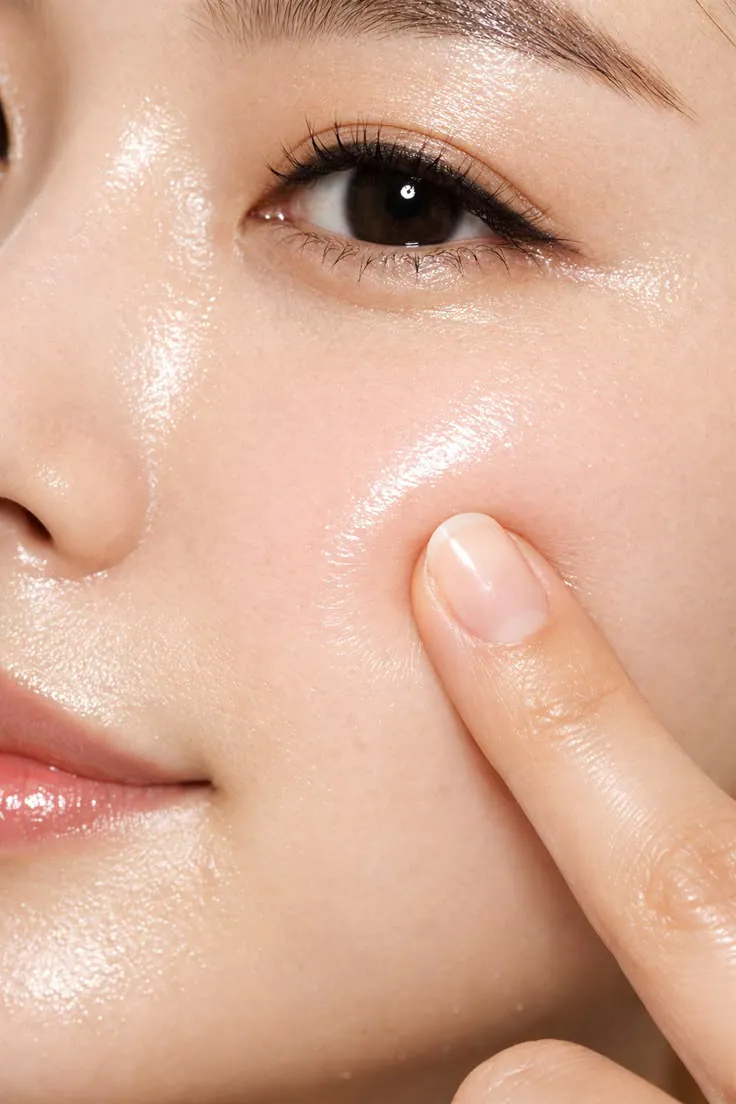
- Dullness – refreshing tired-looking skin for a brighter complexion.
- Texture – smoothing and refining the skin's surface.
- Sun damage – addressing the early effects of UV exposure.
It delivers subtle, cumulative results rather than a dramatic change, which is exactly why it works so well for maintenance and pigmentation concerns in their early stages.
Who Moxi Suits
Moxi is a versatile treatment that suits a wide range of people. It is popular with younger patients who want to maintain their skin and stay ahead of early ageing, as well as anyone looking for a gentle way to improve tone, texture and brightness without significant downtime.
It is also a good option for those who want laser treatment but cannot accommodate the recovery that more intensive resurfacing requires. As always, the best way to know whether Moxi suits you is a proper assessment of your skin and goals.
Moxi and Skin of Colour
One of the advantages of Moxi is that it is designed to be gentle, which can make it suitable for a wider range of skin tones than some more aggressive lasers. This is an important consideration, because not every laser is appropriate for deeper skin tones.
That said, suitability always depends on an individual assessment. A consultant dermatologist will confirm that Moxi is the right choice for your skin and adjust the treatment accordingly, which is particularly important in skin of colour.
Moxi Compared with More Intensive Lasers
Moxi sits at the gentler end of laser resurfacing. Compared with more intensive ablative lasers, such as CO2 lasers, it offers less downtime and a more comfortable recovery, but its results are more subtle and build gradually over a course.
More intensive lasers can address deeper concerns in fewer sessions, but they involve more downtime and recovery. Neither is simply better than the other. The right choice depends on your concern, your skin and how much downtime suits your life, which is decided at consultation. For a balance of resurfacing and recovery, treatments such as Halo may also be considered.
Moxi and BBL: A Popular Pairing
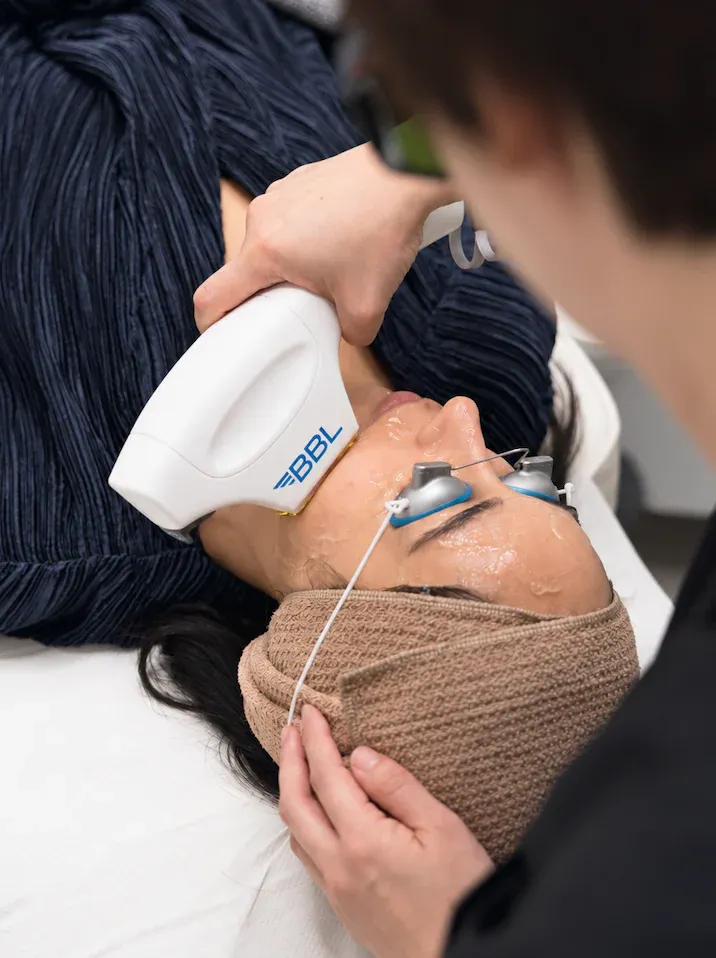
Moxi is often combined with BBL broadband light, as the two work well together. BBL targets pigmentation and redness, while Moxi refreshes texture and tone, so together they can address several concerns in a single visit where suitable. Our guide to Forever Young BBL explains how broadband light works.
Whether this combination is right for you depends on your skin and your goals, and your dermatologist will advise on the most appropriate plan.
What to Expect
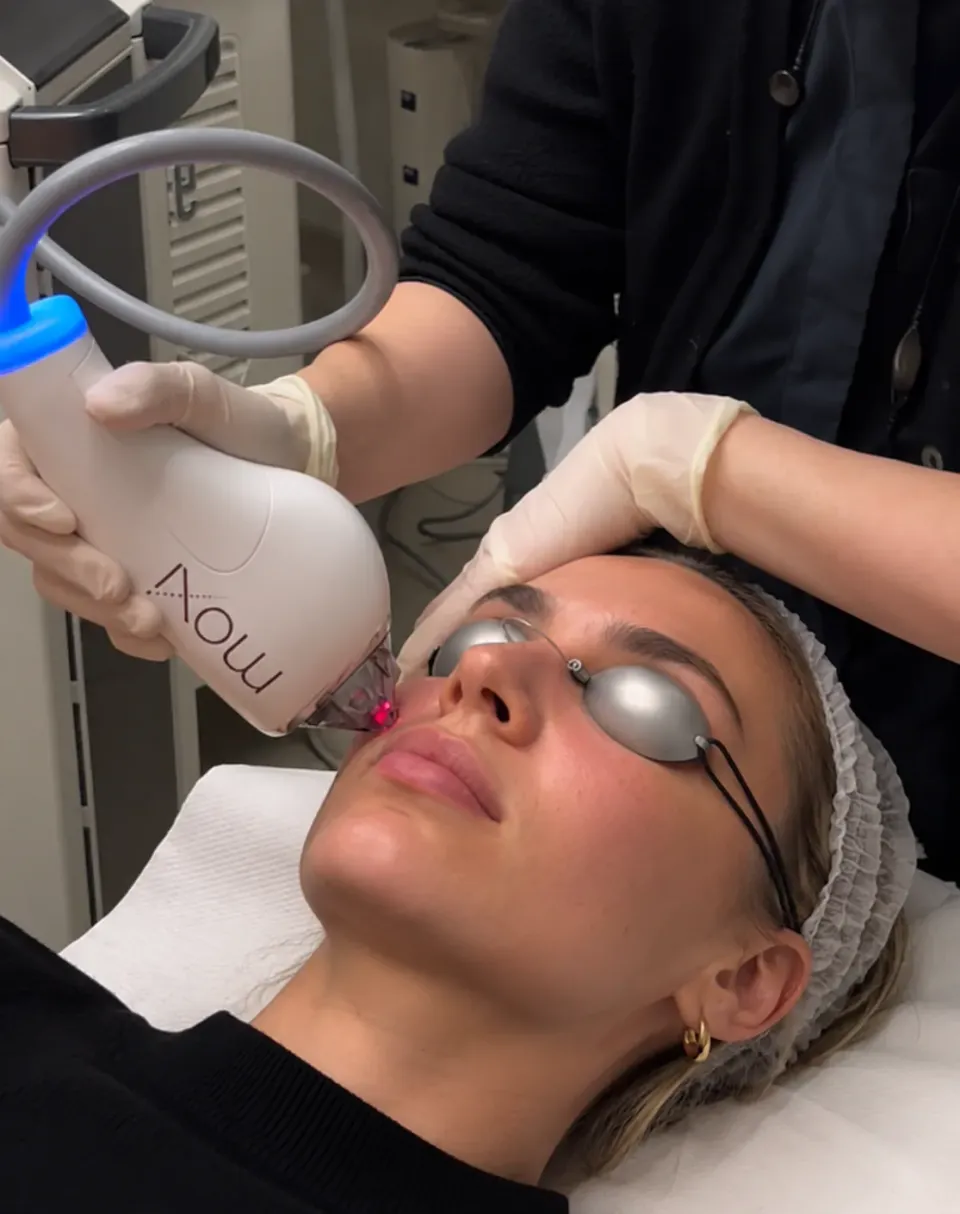
Treatment begins with a consultation and skin assessment. During the session, the laser is passed over the skin, and most people find it comfortable, often with cooling for comfort.
Afterwards, the skin usually feels warm and may look a little flushed. Over the next few days, a fine, sandpaper-like texture and tiny dark specks are normal as the skin renews and refreshes, before revealing brighter skin underneath. A course of treatments gives the best results, with maintenance sessions to sustain them.
The Dr Jinah Yoo Approach
Moxi is a gentle treatment, but it still benefits from expert assessment and technique. As a GMC-registered consultant dermatologist, Dr Jinah Yoo approaches it accordingly:
- Your skin is assessed to confirm Moxi is the right choice.
- Treatment is tailored to your concern and skin type.
- Skin of colour is treated with particular care.
- Moxi is used on its own or combined with other treatments where this adds value.
You can read more about Dr Jinah Yoo and the clinic's Moxi laser treatment.
Frequently Asked Questions
How much is Moxi laser in the UK?
Cost depends on the area treated and the number of sessions, as Moxi is usually carried out as a short course followed by maintenance. Because plans are tailored, a clear price is provided after your consultation, once your skin has been assessed.
Is Moxi laser worth the money?
Whether Moxi is worthwhile depends on your goals. For those wanting brighter, smoother skin with minimal downtime, it can be a good fit, particularly as part of an ongoing prejuvenation plan. Because results are gradual, the value comes from consistency rather than a single dramatic session.
Is Moxi better than CO2 laser?
Neither is simply better. Moxi is gentler with less downtime, giving subtle, cumulative results, while CO2 is more intensive and can address deeper concerns in fewer sessions but with more recovery. The right choice depends on your concern and how much downtime suits you.
How much downtime does Moxi need?
Downtime is usually minimal, often a few days. The skin can look flushed initially, then develop a fine, sandpaper-like texture with tiny dark specks as it renews, which typically settles within several days to reveal fresher skin.
How many Moxi sessions will I need?
Because Moxi is a gentle treatment with gradual results, a short course is usually recommended for the best effect, followed by maintenance. The exact number depends on your skin and goals and is agreed at consultation, but many people have a series of sessions and then return periodically to maintain their results.
Arranging a Consultation
If you would like brighter, smoother and healthier-looking skin with little downtime, Moxi may be worth considering. You are welcome to book a consultation with Dr Jinah Yoo at our Mayfair clinic.